
Reviewed · TEREZIN CONCENTRATION CAMP TOURS
Terezin concentration field excursion
Terezín is more than a former fortress. The entire main fortress became a Jewish ghetto, while the Small Fortress served as a prison for political opponents of the Nazi regime. This six-hour visit connects those two places and shows why the Terezín Memorial is central to understanding Czech suffering during World War II.
I like the Spanish-speaking guide service, especially since Eric has been praised for explaining difficult events clearly and respectfully. I also like that transport, entrance fees, and the return trip are included, so you can focus on the memorial rather than sorting out several separate tickets.
The main point to consider is the subject matter. This is a serious memorial visit, not a light sightseeing outing, and much of the day deals with imprisonment, deportation, persecution, and death. The six-hour schedule also leaves little room for an unhurried independent visit.
Key points to know before booking
- Terezín was both a fortress town and a Jewish ghetto: The main fortress held the ghetto, with the town itself enclosed within its military design.
- The Small Fortress tells a different story: It was used as a prison for political opponents and resistance figures.
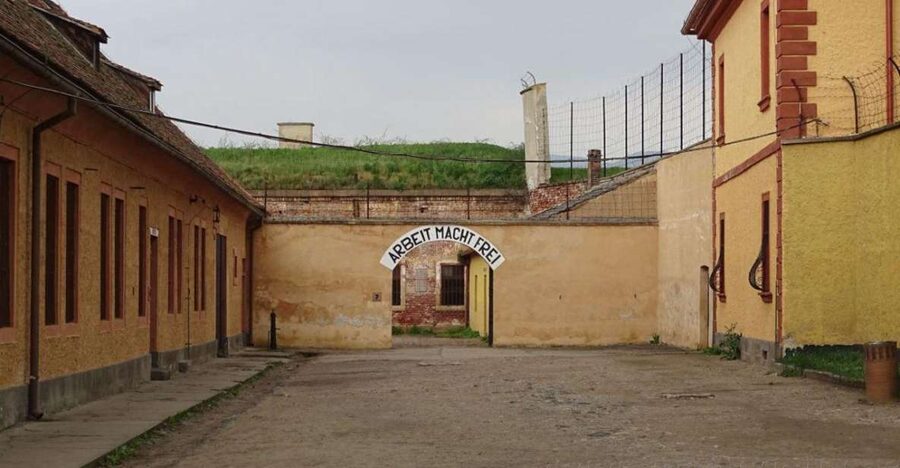
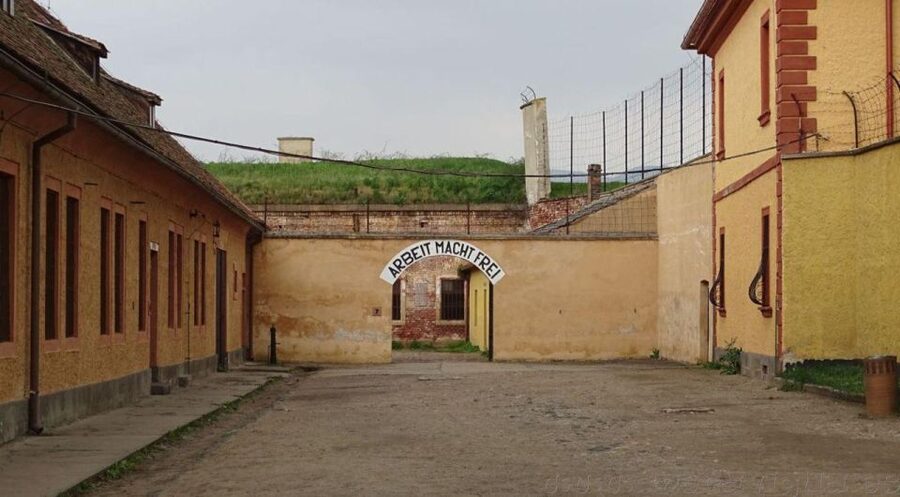
- You follow the prisoner route: The visit moves through the administrative courtyard, the entrance marked Arbeit Macht Frei, prisoner areas, fortress casemates, and the shooting field.
- The tour begins and ends at V Celnici 4: Round-trip transportation is included, with the journey from Prague taking close to an hour each way.
- Spanish is the tour language: Guide Eric is specifically praised for calm, clear explanations.
- The $68 price covers the main essentials: Guide service, transport, and admission are included, making the cost easier to judge than a self-arranged visit.
Why Terezín matters beyond the fortress walls
Terezín was founded as a modern military fortress at the end of the 18th century. Its purpose changed over time, and during the Nazi occupation it became a place of confinement, administration, and death for people targeted on political and racial grounds.
The name can be confusing because Terezín was not one single site. The main fortress is a town-sized ghetto, while the Small Fortress functioned as a prison. The two locations are tied together by the memorial, but they tell different parts of the story.
That distinction is one of the most useful things a guide can explain. A short visit without context can leave you seeing only old walls and courtyards. With the right explanation, the fortress design helps you understand how an existing town was turned into a controlled place of confinement.
The Terezín Memorial is the Czech Republic’s only institution of its kind. Its work includes museums, research, education, and care for memorial sites connected with victims of Nazi political and racial persecution. You are not simply visiting an old military complex. You are visiting a place that continues to document what happened there.
More Terezin Concentration Camp Tours in Czechia:
- From Prague: Terezin Concentration Camp Guided Tour w/ Audio
★ 4.5 · 1,959 reviews - From Prague: Tour of Terezin Concentration Camp
★ 4.4 · 1,269 reviews - Terezin Concentration Camp Day Tour from Prague
★ 4.0 · 1,007 reviews
Leaving Prague at 9:00 and setting the context
The day begins at V Celnici 4 at 9:00 in the morning. The first drive lasts almost an hour, and that travel time is useful because the guide can explain Terezín before you arrive.
I prefer this kind of introduction to arriving cold at a memorial. The fortress has a complicated past, and the background helps you understand why its layout matters. During the journey, you receive historical and technical information about the fortress and its later use.
The route from Prague also passes the monument connected with the actors of Operation Anthropoid. The supplied schedule does not describe a full stop there, so think of it as a point of historical orientation rather than a separate visit with extended time.
Round-trip transportation is a practical advantage. Terezín is outside Prague, and arranging your own transport, admission, and local visits would require more planning. At $68 per person, the price is reasonable if you value a guided explanation and want the main memorial entries handled in one package.
The tradeoff is control. You will travel on a set timetable and follow the group schedule. If you want to spend extra time reading every display or sitting quietly at one location, a private or self-directed visit could suit you better.
The main fortress and the Ghetto Museum
The first substantial part of the visit focuses on the main fortress. Here, the fortress was not merely a prison block. The entire city became the Jewish ghetto, making the town itself part of the system of confinement.
That is a difficult idea to grasp until you see the setting. The old military structure was large enough to contain a functioning town, but under Nazi control its streets and buildings took on a very different purpose. The fortifications were not just historic architecture. They formed the setting for restricted movement, administration, and overcrowding.
The Ghetto Museum gives the visit a more personal and documented focus. Inside, you can learn names, events, and methods connected with what happened in Terezín. The museum helps move the story away from broad wartime numbers and toward individual lives and specific facts.
You should allow yourself time to listen closely here. The guide will explain the figures and motives connected with the ghetto, while the displays provide the evidence and names behind that explanation. Because the tour is guided, you are less likely to miss the difference between the site’s original military role and its use during the occupation.
There is a photo stop and a guided visit at the memorial complex. Photography can help you remember the layout, but the value of this part is not mainly visual. The buildings and fortifications matter because of what took place inside them.
The cemetery complex and National Cemetery
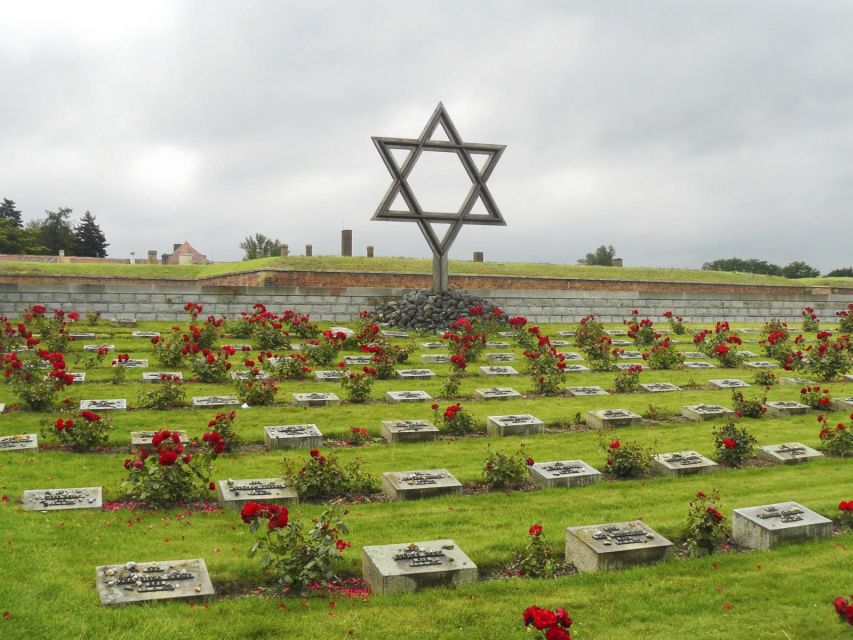
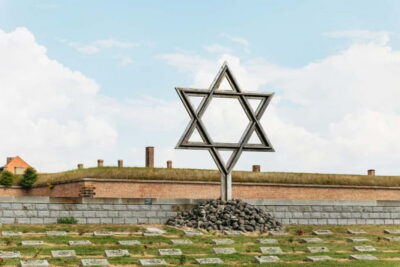
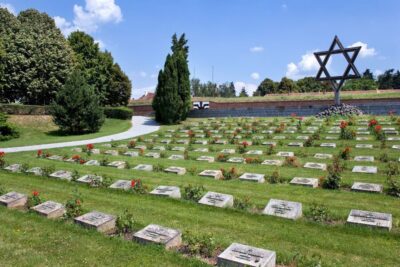
The cemetery areas add another layer to the visit. Here, the guide explains figures, motives, and methods connected with the persecution and deaths of thousands of victims.
The National Cemetery also helps clarify the difference between a ghetto and a concentration camp. Those terms are often used loosely, but Terezín included different forms of confinement and administration. The main fortress was the ghetto, while the Small Fortress was the prison site visited later in the day.
That explanation is important because it prevents the visit from becoming a blur of grim places and unfamiliar labels. You will hear how the two sites worked differently, then see both for yourself.
This part of the tour is likely to feel quieter and more reflective than the museum. The subject is heavy, and the setting is intentionally commemorative. I would not rush it simply to get to the next stop.
The tour is best for adults and older children who can engage with difficult material. The information provided does not give an age recommendation, so families should decide based on the child’s ability to handle discussions of Nazi persecution and death.
Same country, a completely different kind of day:
- Prague: 50-Minute Sightseeing Evening Cruise
★ 4.2 · 33,780 reviews - Prague: Medieval Dinner with Unlimited Drinks
★ 4.4 · 19,847 reviews - Prague: Skip-the-line Castle Ticket and Optional AudioGuide
★ 4.3 · 11,121 reviews - Prague: Castle Tour with Local Guide and Entry Ticket
★ 4.6 · 10,422 reviews
Entering the Small Fortress through the prisoner route
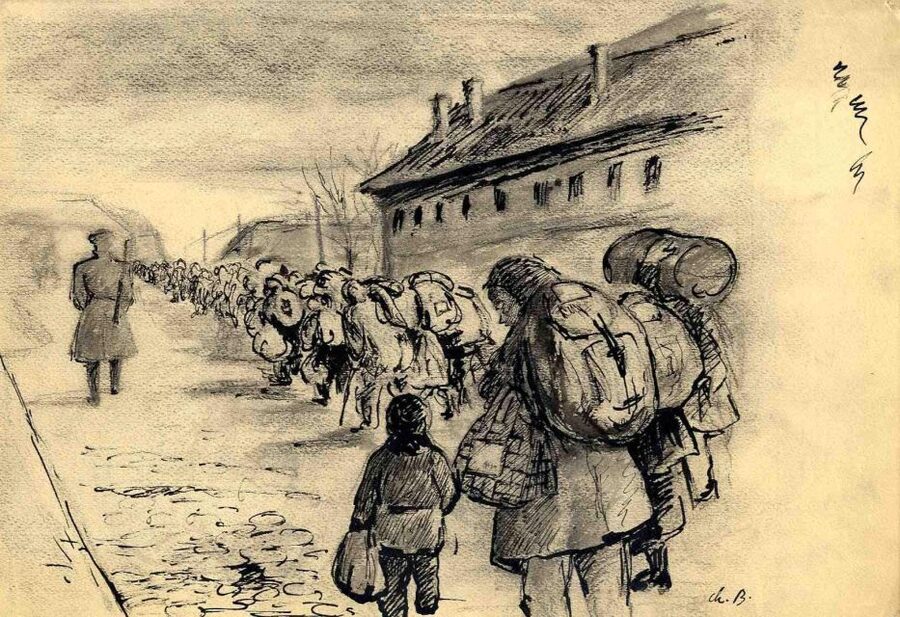
The Small Fortress is the part of the visit most closely associated with the concentration camp and prison experience. The tour begins in the administrative courtyard, following the same route prisoners used.
That choice gives the visit a clear physical structure. Instead of moving randomly from room to room, you follow the sequence of arrival and confinement. The route leads through the entrance area, past the words Arbeit Macht Frei, and into the sections used for prisoners.
The phrase at the entrance is among the most recognizable symbols of Nazi camp systems. At Terezín, seeing it in the actual entry route gives the words a grim setting. The guide can place it within the wider system of forced labor, control, and imprisonment rather than treating it as an isolated slogan.
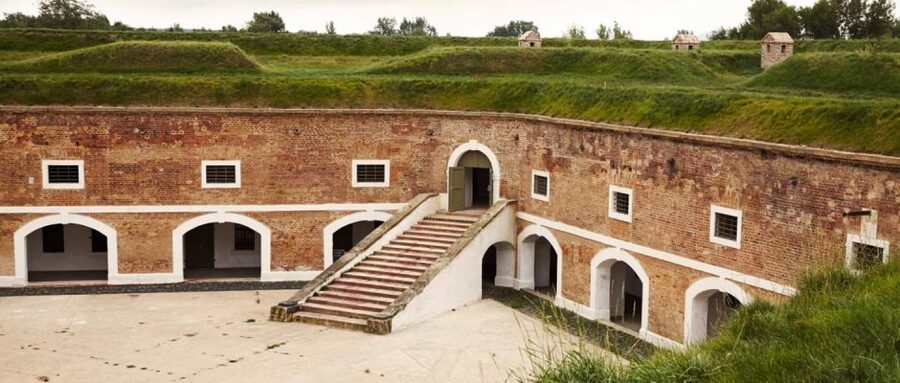
You will continue through prisoner areas and the casemates of the fortress. Casemates are enclosed military passageways and defensive spaces built into the fortifications. Here, the original military design becomes part of the prison setting, and the thick walls help you understand the physical restrictions imposed on those held there.
The Small Fortress was used for people opposed to the Nazi regime, including political prisoners and resistance figures. This is why the site is often described as a place connected with Czech resistance and opposition. Its story differs from that of the Jewish ghetto in the main fortress, even though both belong to the Terezín Memorial.
The route then reaches the shooting field and continues toward part of the residential area. The schedule does not promise access to every room or every memorial building, so expect a focused guided route rather than a complete independent exploration of every corner.
What the Spanish guide adds
The quality of the explanation matters greatly at Terezín. The buildings alone cannot tell you who was held there, how the sites functioned, or why the distinctions between ghetto, prison, and concentration camp matter.
The tour is conducted in Spanish, and guide Eric is specifically named for clear and respectful explanations of life during Terezín’s use as a concentration camp. That combination of clarity and tone is valuable here. A guide should give you facts without turning suffering into spectacle.
You will hear explanations during the drive, at the main fortress, in the cemetery complex, and while moving through the Small Fortress. This keeps the six-hour visit connected from beginning to end.
A guided visit also helps with the site’s vocabulary. Terezín, the main fortress, the Ghetto Museum, the National Cemetery, the Small Fortress, and the prison route can be confusing when encountered in a short period. Spanish-language commentary makes the experience more accessible if Spanish is your preferred language.
The published information gives no group size or guide-to-participant ratio. That means the pace and amount of personal attention may vary. If asking questions is important to you, use the driving time and transitions to raise them with the guide.
Is $68 good value for six hours?
At $68 per person, the tour includes guide service, round-trip transportation, and admission to the facilities. That makes it a convenient package for someone staying in Prague who wants a structured visit to Terezín.
The value is strongest if you would otherwise need to arrange transport and research the memorial on your own. The nearly hour-long journey each way is not wasted because historical and technical information is provided during the trip.
The price is less compelling for someone who already has transport, speaks the local language, and prefers to read displays independently. A self-guided visit could give you more control over timing, although you would need to arrange the rest yourself.
Six hours is a useful middle ground. It is long enough to cover the main fortress, Ghetto Museum, cemetery complex, National Cemetery, and Small Fortress without turning the day into a rushed stop. At the same time, the schedule is full, so you should expect a planned visit rather than long periods of free time.
Free cancellation up to 24 hours before departure and reserve-now, pay-later booking make the commitment easier. Pets are not allowed. The activity is listed as wheelchair accessible, which is important for anyone checking access before booking, though the information does not describe the condition of every historic surface or route.
Who should choose this Terezín excursion?
I would choose this tour if you want the essential Terezín sites explained in Spanish and prefer not to manage the transport from Prague. It suits visitors with limited time who want the main historical framework rather than an entire day of independent study.
It is also a good fit if you find memorial sites difficult to interpret without guidance. The distinction between the Jewish ghetto in the main fortress and the political prison in the Small Fortress is central, and the tour keeps returning to that difference.
You may want another option if you need a private pace, extended photography time, or a highly specialized academic discussion. The available information does not include private touring, group size, or a choice of languages beyond Spanish.
Most of all, choose it because you are prepared for a serious day. Terezín is not a casual fortress outing. The memorial exists to remember people who suffered and died under Nazi persecution, and the tour treats that purpose as its center.
Final call: book it for clear Spanish guidance
Book this Terezín excursion if you want a six-hour, Spanish-language visit that covers both sides of the memorial: the Jewish ghetto in the main fortress and the political prison in the Small Fortress. The included transport, admissions, and guide service make $68 a fair price for a tightly organized day from Prague.
Skip it only if you prefer to explore at your own speed or if the subject matter is not right for your trip. For most Spanish-speaking visitors seeking a serious and well-explained memorial visit, the clear route, respectful tone, and coverage of the major sites make this a strong choice.
FAQ
Where does the Terezín excursion begin?
The tour begins at V Celnici 4.
What time does the tour start?
The stated meeting time is 9:00 in the morning.
How long does the activity last?
The full excursion lasts six hours.
Where does the tour return?
The activity returns to V Celnici 4.
What language is the guided tour in?
The live tour guide service is in Spanish.
What does the price include?
The $68 price includes guide service, round-trip transportation, and entry to the facilities.
Is the tour wheelchair accessible?
Yes. The activity is listed as wheelchair accessible. Pets are not allowed.
Just added around Czechia
- Wroclaw to Prague: 2-in-1 (Private Transfer + Country Tour)★ 5.0 · 4 reviews
- Wroclaw: Giant Mountains & Valley of Palaces Day Tour★ 4.8 · 36 reviews
- WWII and Communism History in Prague’s Old Town Private Tour★ 5.0 · 4 reviews
- Prague: Historical Walking Tour with Focus on World War 2★ 4.3 · 12 reviews
- World War II 4WD Tour from Prague with Lunch★ 4.4 · 3 reviews
- Ultimate Unlimited Beer Pong with Czech Beer★ 4.6 · 5 reviews
- Walking tour of Prague in French : Nové Město★ 4.9 · 16 reviews
- Walking tour of Prague in french: Old Town & Charles Bridge★ 4.9 · 62 reviews
Terezin Concentration Camp Tours, compared.
Terezin Concentration Camp Guided Tour w/ Audio
Read our review →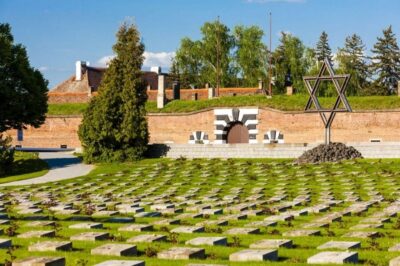
Terezin Concentration Camp Day Tour from Prague
Read our review →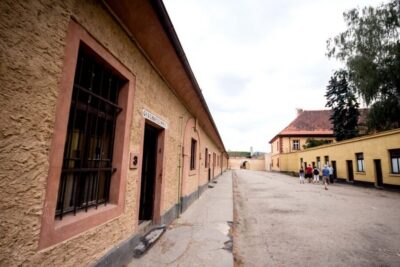

Terezin & Bohemian Switzerland from Prague: Bastei, Narnia & Café
Read our review →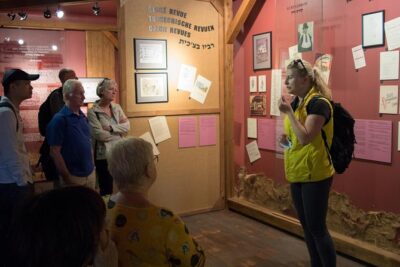
Terezin Concentration Camp Day Tour Including Admission From Prague
Read our review →
Terezin In-Depth Holocaust Tour From Prague’s Center (max 7 pax)
Read our review →Browse the lists this tour appears in