
Reviewed · TEREZIN CONCENTRATION CAMP TOURS
Terezin Fortress and Concentration Camp Tour from Prague
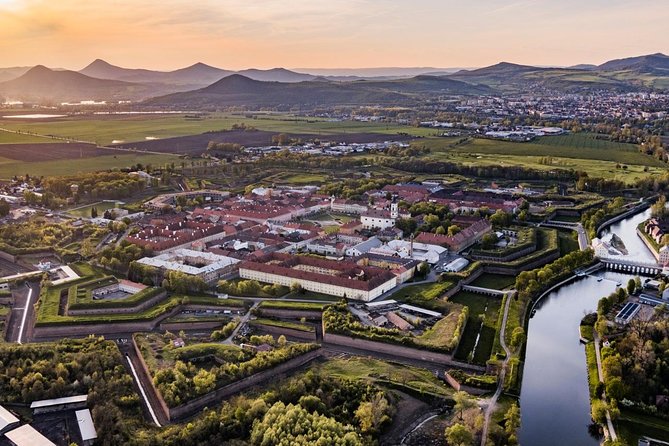
Terezín is two very different places in one long day: an 18th-century military fortress with a huge underground defense system, and a Nazi prison and Jewish ghetto where thousands suffered during World War II. The most unusual part is walking through the old casemates, then facing the grim prison, cemetery, and crematorium.
I like the small group, capped at 15, and the way guides such as Jack and Mike add context from the start. I also like that the tour covers far more than the usual prison visit, including the ghetto, crematorium, columbarium, and fortifications. The price includes transport and admissions, which makes the $119.48 cost easier to justify.
The catch is the length. This is a full 10-hour day with plenty of walking, long stretches of military history, and more than an hour underground for some groups. If you want a short concentration camp visit, this tour may feel too broad and too long.
Key points to know before booking
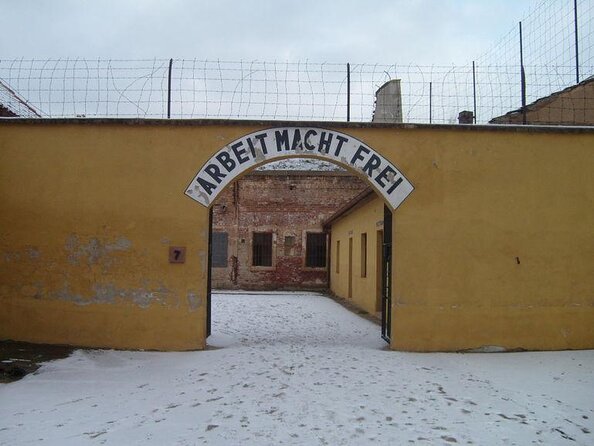
- Terezín has two major stories: You see the Nazi-era Small Fortress and Jewish ghetto, but also the enormous Habsburg military complex.
- The underground tunnels are a real feature: You walk through part of the defensive casemate system, so comfortable shoes and a small torch are useful.
- Guides make a big difference: Jack and Mike are praised for clear explanations, personal attention, and strong knowledge of Czech and European history.
- Transport uses public services: Plan on walking to the station and using train and bus connections rather than sitting on a private coach all day.
- It is emotionally serious: The prison, mass grave, crematorium, and ghetto require a respectful frame of mind.
- Lunch is not included: You pay for your own meal, usually during a break in Terezín.
Why Terezín is more than a concentration camp stop
Many day trips from Prague focus only on the Small Fortress, the former Gestapo prison. That visit matters, but it tells only part of the story.
Terezín was built in the late 18th century as a fortified town under the Habsburg monarchy. Its walls, bastions, moats, and underground passages were designed for war. During World War II, the Nazis used the larger fortified town as a Jewish ghetto and the Small Fortress as a prison, especially for political prisoners.
This tour places those two periods side by side. You learn how the fort was built, how its defensive system worked, and how the Nazi regime later used the same place for imprisonment, forced movement, and propaganda.
I find that combination useful because it gives you a physical sense of the site. You are not simply entering a museum room and reading dates. You are walking through an actual town, military structure, prison, cemetery, and underground network.
The setting also helps explain why a visit takes so long. Terezín is spread across several sites, and each one adds a different part of the story. The day can feel demanding, but the extended route is the reason this trip offers more than a standard half-day outing.
More Terezin Concentration Camp Tours in Prague:
- From Prague: Terezin Concentration Camp Guided Tour w/ Audio
★ 4.5 · 1,959 reviews - Terezin Concentration Camp Day Tour from Prague
★ 4.0 · 1,007 reviews - From Prague: Terezín and Ghetto Museum Guided Tour
★ 4.3 · 571 reviews
Meeting at Wenceslas Square at 8 a.m.
The tour begins at the Statue of Saint Wenceslas on Wenceslas Square in central Prague. The meeting point is easy to identify, and guides may use a green umbrella or similar sign to gather the group.
You do not get hotel pickup, so allow time to reach the square. The activity ends back at the same meeting point, which is handy if you have evening plans in Prague.
The group limit is 15 people. That is small enough for questions and conversation, but the exact feel depends on the day. In February, one couple found themselves as the only people on the tour. A small group can make a difficult subject more personal and lets the guide adjust the pace.
The journey itself is part of the experience. The tour uses public transport, including train and bus connections, rather than keeping you inside a private vehicle from Prague to Terezín and back. Some visitors enjoy the older-style train compartments and the changing views. Others may prefer a direct coach, especially after a long day on foot.
Jack has used the travel time to explain Prague buildings, Czech statehood, the region’s past, and the history of the fortress before the group even arrives. That is a smart use of the journey, since the background makes the site easier to understand.
The Small Fortress and the former Gestapo prison
The Small Fortress is the most direct encounter with Terezín’s Nazi-era prison system. It served as a Gestapo prison during World War II, holding political prisoners under harsh conditions.
Expect about an hour and a half here. Your guide explains when and why the fortress was built, then shows how the Nazi regime adapted it for imprisonment. You see the spaces where prisoners lived and learn about the systems used to control them.
Original wartime video footage is included in the visit. The material presents the staged image of an ideal life in Terezín, exposing the gap between Nazi propaganda and the reality of confinement, disease, hunger, and death. Your guide’s explanation matters here because the images need context.
This is a somber stop, and you should not expect a light museum visit. The subject is handled through buildings, stories, visual material, and the physical conditions of the prison. Some people find this the hardest portion of the day.
The tour does not rush through the Small Fortress. That is a strength if you want to understand the place rather than simply photograph the entrance. It can also make the day feel heavy, particularly when followed by several more hours of walking and historical explanation.
The memorial, mass grave, and quiet shift in mood
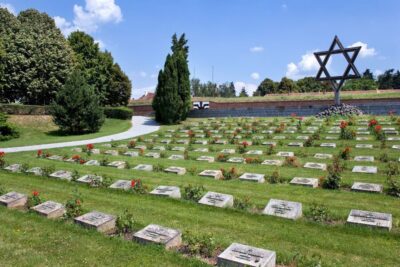
Before entering the Small Fortress, you visit the Terezín Memorial on the grounds of a former mass grave. The stop is short, about 10 minutes, but it changes the tone of the day.
This is not a grand sightseeing viewpoint or a place for casual wandering. It is a memorial space, and your guide helps place it within the story of those who died in and around Terezín.
The brief visit works well because it gives you a moment to recognize the human cost before moving into the prison itself. You may want to keep your camera away until you understand the setting and follow the guide’s lead on respectful behavior.
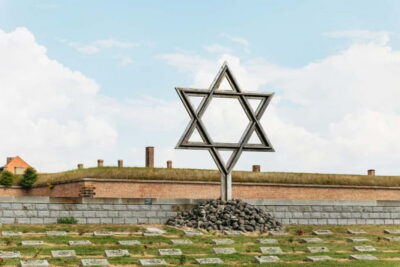
The cemetery, crematorium, and columbarium later add to this part of the visit. Together, these locations show that Terezín was not only a place where people were held. It was also part of a larger system of death, burial, and attempted erasure.
Same country, a completely different kind of day:
- Prague: 50-Minute Sightseeing Evening Cruise
★ 4.2 · 33,780 reviews - Prague: Medieval Dinner with Unlimited Drinks
★ 4.4 · 19,847 reviews - Prague: Skip-the-line Castle Ticket and Optional AudioGuide
★ 4.3 · 11,121 reviews - Prague: Castle Tour with Local Guide and Entry Ticket
★ 4.6 · 10,422 reviews
Walking through the large fortress and Jewish ghetto
The large fortress is the fortified town of Terezín. During World War II, the Nazis turned it into a Jewish ghetto. Today, you walk through its streets and see what remains from that period.
This portion lasts roughly five hours, making it the main part of the day. It combines the ghetto, the fortress walls, the crematorium, the columbarium, and the underground defense system.
The ghetto visit requires careful attention. Terezín was used to create a false image for the outside world, while the people confined there faced brutal living conditions. Your guide connects the streets and buildings you see with the wider Nazi system and explains how the town functioned under occupation.
I appreciate that the tour does not isolate the ghetto from the fortress itself. The military structure explains the shape of the town, while the ghetto story explains how those spaces were later occupied and controlled. You get both the physical setting and the human story.
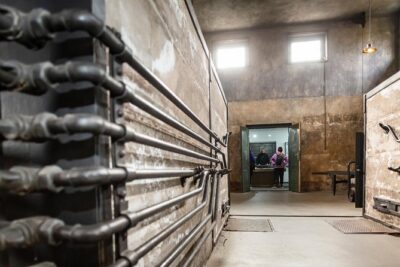
The visit to the crematorium is especially grim. It is a necessary stop for understanding the scale and organization of death at Terezín, but it may be difficult for some people. The maintained graveyards and memorial areas provide a quiet place to take in what you have seen.
The baroque fortifications and underground casemates
The most distinctive part for many people is the old fortification system. When Terezín was completed, its design was considered among the best in Europe. The defensive network included many kilometers of tunnels within the walls, allowing soldiers to move between positions and protect the fortress.
You explore part of these passages with a local guide, with your main guide translating and adding context when needed. The tour can include more than an hour underground, depending on the route and pace.
Bring a small torch if you have one. The tunnels are maintained, but extra light can make the route easier and help you appreciate the shape of the passages.
The casemates are not just an odd extra attraction. They explain how the fortress worked. You learn how the walls, water defenses, cannon positions, and hidden routes supported the military plan. One section of the fort could accommodate defenses for hundreds of cannons.
This is also where the tour may lose some people. If you are claustrophobic, an extended period underground could become uncomfortable. One couple found the fortress section went on too long and could not wait to return outside.
The local fortress staff may conduct their portion in Czech, with your main guide translating into English. That adds time and can make the delivery less smooth than a single English-speaking guide leading every part. Still, translation gives you access to the underground system, which you would otherwise miss.
Guides such as Jack and Mike shape the day
The strongest part of this experience is the guide. Jack is frequently praised for his energy, clear English, careful answers, and wide knowledge of Czech and European history. He uses maps, photographs, books, and other reference material to make timelines easier to follow.
He also appears to adjust his approach to the people in front of him. If your group is interested in World War II, the commentary can include extra stories and context. If you ask about Czech politics, the Habsburg period, or the wider history of Europe, the conversation may widen beyond the basic route.
Mike, also called Michal in some accounts, receives similar praise for his patience and command of the subject. He has kept explaining the history during transport delays and has handled small groups with care.
The experience may include local guides at the fortress and prison, with the Prague guide translating. That means the quality of the English explanation can vary from one section to another. Your main guide remains important because he connects the separate pieces and answers questions as the day unfolds.
A good guide also knows when to slow down. This is not a place for a rapid list of dates. The best moments come when a map, old photograph, or simple explanation helps you see how a street, wall, or tunnel fits into the larger story.
Walking, food, toilets, and what to pack
You need a moderate level of fitness. The day includes walking through the town, the memorial sites, the prison, the fortress, and the tunnels. There is no private bus carrying you from one sight to the next, so do not treat this as a ride-and-look excursion.
Wear comfortable shoes. The route may include uneven surfaces, stairs, and long periods on your feet. A small torch is a useful addition for the tunnels, and layers are sensible for a day that shifts between outdoor areas and underground passages.
Lunch is at your own expense. The tour does not include a meal, but there is time to eat at a local restaurant. Your guide can suggest dishes and explain portion sizes, which helps if you want a practical local meal rather than a rushed snack.
Toilets are not found at every corner of the small town. You can use facilities at the museums, on the train, and at the restaurant, but plan ahead rather than waiting until the last minute.
The itinerary is long enough that a water bottle and a small snack make sense, even though those items are not listed as inclusions. Keep your bag light, since you will carry it through the walking sections and underground passages.
Is $119.48 a fair price for this full day?
At $119.48 per person, this is not the cheapest way to visit Terezín. The value depends on how much of the site you want to understand.
The cost includes a professional guide, transport from central Prague, admission to the Small Fortress and memorial areas, the crematorium, columbarium, ghetto, and the fortification excursion. You do not have to work out the train and bus connections on your own, and you receive an English explanation throughout the day.
You still pay for lunch, and there is no hotel pickup or drop-off. Those omissions are minor if you are staying near central Prague, but they matter if you want a door-to-door experience.
A cheaper half-day trip may suit you if your main goal is to see the former prison and return quickly. This full-day option earns its higher price by adding the ghetto, military history, and tunnels. You are paying for time and interpretation, not simply transport to a memorial.
The clearest question is simple: do you want the full story or only the World War II prison? If you want the full story, the price is reasonable. If you dislike long tours or have limited interest in military architecture, a shorter outing may be better value for you.
Who should book this Terezín tour?
I would choose this tour if you are interested in World War II, Jewish history, Czech history, military engineering, or the way one place can be used for very different purposes across time.
It suits adults and older children who can handle a serious subject and a long walking day. The tour is not recommended for children aged 12 and under, although the stated minimum age is five, so parents should judge the subject matter and stamina of their own child carefully.
History enthusiasts will get the most from it. You also need patience for detailed explanations, translated guiding, public transport, and an extended underground visit.
I would think twice if you want a relaxed day trip, dislike enclosed spaces, or hope to spend only a few hours at a concentration camp site. The emotional weight is real, and the military sections occupy a large share of the day.
The experience is offered in English and has a maximum of 15 people. Confirmation is sent within 48 hours, subject to availability, and free cancellation is available up to 24 hours before the 8 a.m. start.
Should you book it?
Book this Terezín tour if you want more than a quick prison visit. You will see the Nazi prison, Jewish ghetto, crematorium, memorial grounds, and the fortress system that shaped the town. The small group and guides such as Jack and Mike add the human explanation needed to connect those sites.
Skip it in favor of a shorter tour if 10 hours of walking sounds tiring or if underground tunnels make you uneasy. Terezín deserves respect and time, and this trip gives it both, but it asks you to give up most of a day in return.
FAQ
How long does the Terezín tour from Prague last?
The experience lasts approximately 10 hours and begins at 8 a.m. in central Prague. It ends back at the meeting point near the Statue of Saint Wenceslas.
Where does the tour meet?
The meeting point is the Statue of Saint Wenceslas on Václavské náměstí in Prague 1. Hotel pickup and drop-off are not included.
Is transport included?
Transport from central Prague is included in the tour cost. The trip uses public transport, including train and bus connections, rather than a private bus driving you between every site.
What does the tour visit?
You visit the Small Fortress, former mass grave memorial grounds, the large fortress and Jewish ghetto, crematorium, columbarium, and part of Terezín’s baroque fortification system and underground tunnels.
Is lunch included?
No. Lunch is at your own expense, with time available to eat at a local restaurant during the day.
Is the tour suitable for children?
The stated minimum age is five, but the experience is not recommended for children aged 12 and under. You should also consider the serious subject matter, moderate fitness requirement, long walking sections, and underground tunnels.
Just added around Prague
- WWII and Communism History in Prague’s Old Town Private Tour★ 5.0 · 4 reviews
- Prague: Historical Walking Tour with Focus on World War 2★ 4.3 · 12 reviews
- World War II 4WD Tour from Prague with Lunch★ 4.4 · 3 reviews
- Walking tour of Prague in french: Old Town & Charles Bridge★ 4.9 · 62 reviews
- Ultimate Unlimited Beer Pong with Czech Beer★ 4.6 · 5 reviews
- Walking tour of Prague in French : Nové Město★ 4.9 · 16 reviews
- Prague Sightseeing Tour with Lunch★ 5.0 · 5 reviews
- Prague: Modern Private Spa with Jacuzzi and Sauna★ 4.8 · 62 reviews
Terezin Concentration Camp Tours, compared.
Terezin Concentration Camp Guided Tour w/ Audio
Read our review →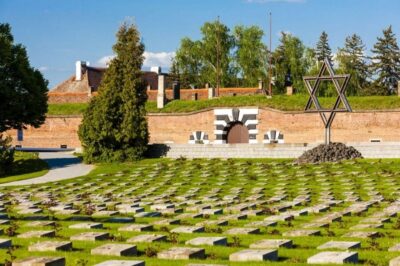
Terezin Concentration Camp Day Tour from Prague
Read our review →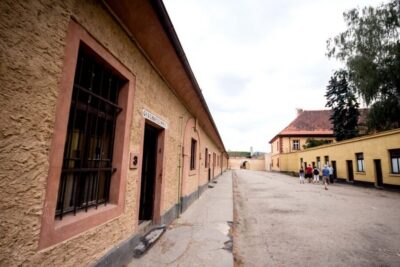

Terezin & Bohemian Switzerland from Prague: Bastei, Narnia & Café
Read our review →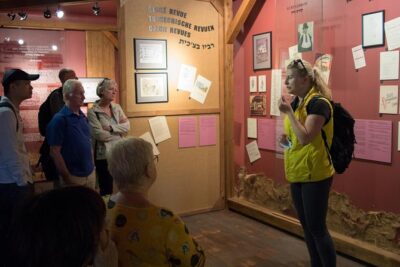
Terezin Concentration Camp Day Tour Including Admission From Prague
Read our review →
Terezin In-Depth Holocaust Tour From Prague’s Center (max 7 pax)
Read our review →Browse the lists this tour appears in