
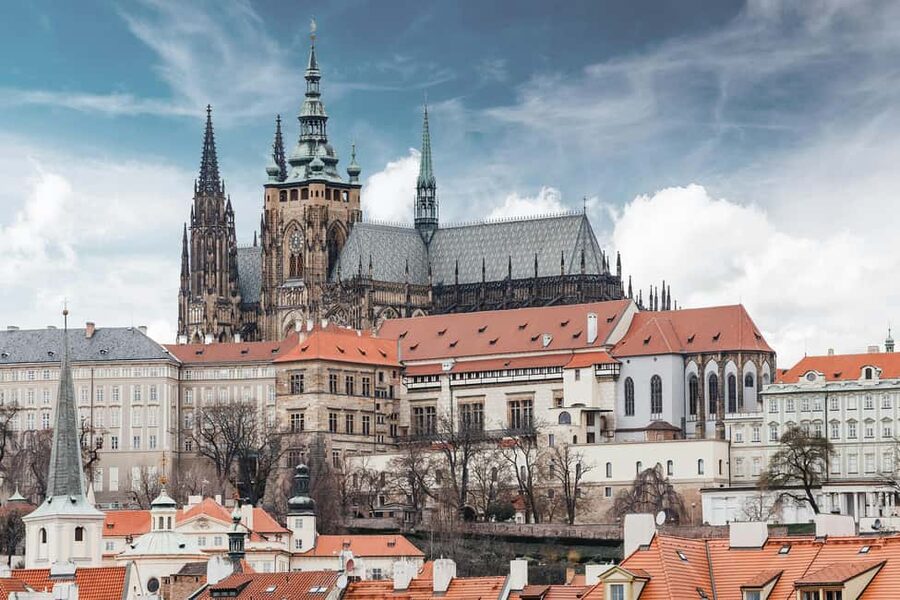
Reviewed · PRAGUE CASTLE TOURS
Prague Castle St. Vitus Cathedral, Royal Palace, St. George’s Basilica
Prague Castle is more than one grand building. It is a whole hilltop world of cathedrals, royal rooms, old legends, and lanes of tiny houses. This three-hour tour with historian Robert Procházka brings the main sights into one clear route, including St. Vitus Cathedral, the Old Royal Palace, St. George’s Basilica, and Golden Lane.
I like the German-language historical guidance, especially if you want more than a quick look at the stonework. I also like the efficient ticket arrangement: the guide accompanies you to a special guide counter, which can save time. The main drawback is cost planning, since the $41 tour fee does not include the castle admission ticket, which is €18 for adults or €14 for seniors age 65 and over.
Key points to know before booking
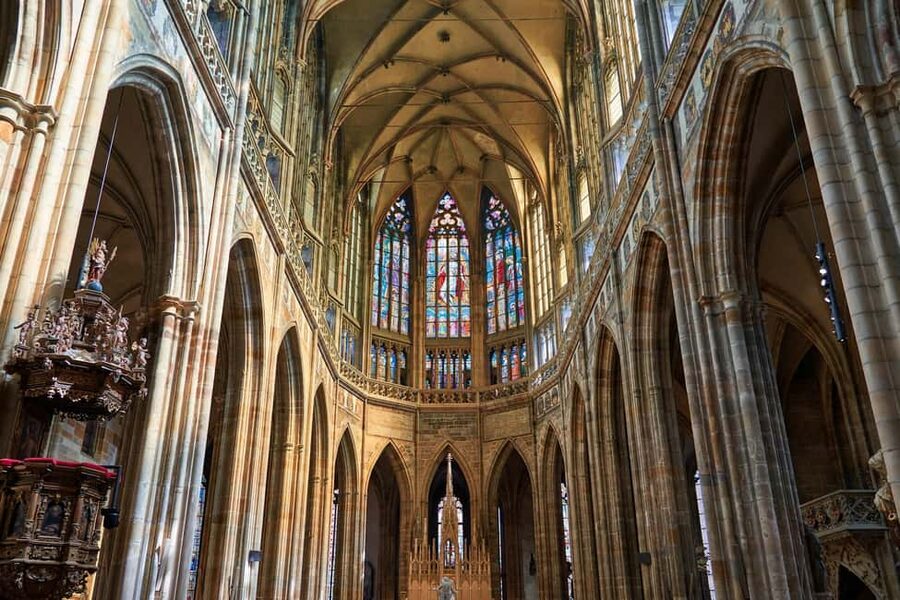
- St. Vitus Cathedral anchors the tour, with royal tombs, coronation history, and the St. Wenceslas Chapel.
- Robert Procházka leads the tour in German, making this a good fit for German-speaking visitors who want historical context.
- The Old Royal Palace connects architecture with political drama, including the site of Prague’s Third Defenestration.
- Golden Lane adds a smaller, more intimate stop, with 16th-century houses, alchemist stories, and a Franz Kafka connection.
- The €18 adult admission is separate, though the guide helps purchase tickets at a counter for guides.
- The tour lasts three hours, begins at the Pražský hrad tram stop, and is not suitable for children under 10.
Meeting Robert Procházka at Prague Castle
The meeting point is easy to reach if you use Prague’s historic tram system. Take tram 22 or 23 in the direction of Bílá hora and get off at the stop named Pražský hrad. Robert Procházka waits directly at this stop, so you do not need to wander through the castle grounds trying to find a guide.
I like this starting point because it removes one common Prague Castle headache: arriving at the right hill but the wrong gate. Still, give yourself enough time to reach the stop. The tour has a fixed three-hour span, and joining late could mean missing the opening explanation or having to catch up with the group.
The tour is conducted in German. That detail matters more here than on a simple sightseeing walk, because the castle complex has layers of royal, religious, and political history. If you are comfortable following a sustained explanation in German, you should get much more from the interiors than you would by walking through them on your own.
The activity information gives two slightly different descriptions of the ending point. The guided route is described as ending in Golden Lane, while the meeting-point details say the activity ends back at the starting point. Ask Robert at the beginning which ending applies on your date. That small clarification will help you plan your next stop.
More Prague Castle Tours in Prague:
- Prague Castle 2.5-Hour Tour Including Admission Ticket
★ 4.7 · 8,927 reviews - Prague: 3-Hour Walking Tour of Old Town & Prague Castle
★ 4.7 · 5,696 reviews - Prague: 3-Hour Old Town and Prague Castle Tour in German
★ 4.8 · 5,671 reviews
St. Vitus Cathedral and the heart of Bohemian power
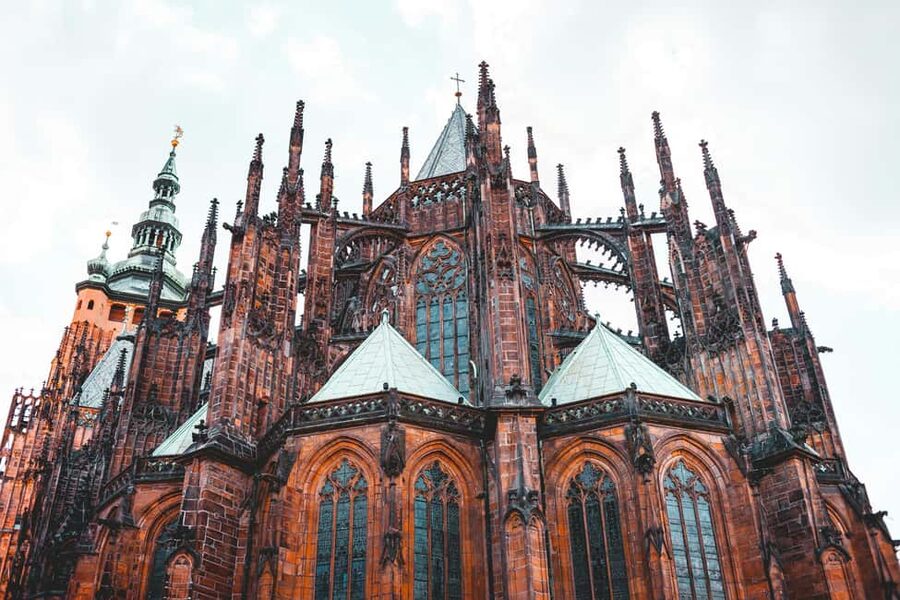
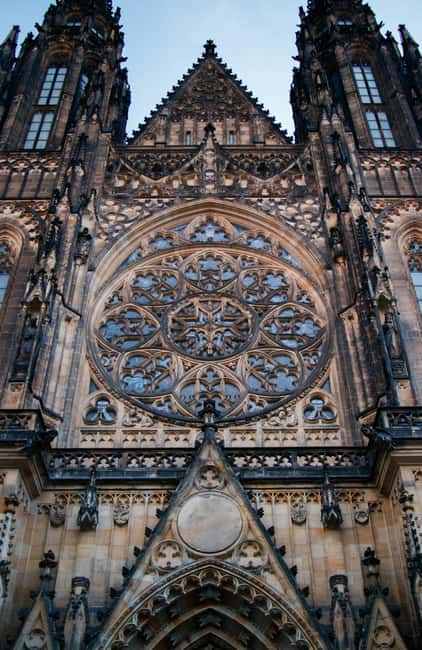
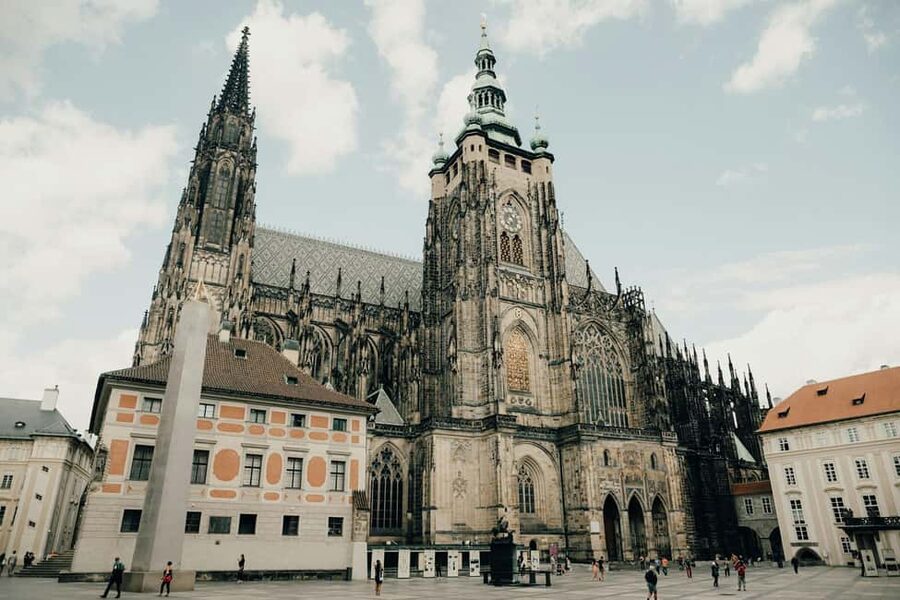
St. Vitus Cathedral is the emotional center of Prague Castle. Its Gothic structure rises above the castle grounds, and its long building history reaches back to a Romanesque rotunda founded around 925. You are not simply entering a church. You are entering the burial and coronation site of Bohemian kings.
The cathedral’s scale can be hard to take in at first. A historian helps you read it in sections: the soaring Gothic architecture, the royal tombs, the chapels, and the national saints connected with the building. St. Wenceslas and St. Adalbert are among the important patrons buried here.
The St. Wenceslas Chapel is one of the most memorable details on the route. It is decorated with semi-precious stones and holds the remains of St. Wenceslas in a Gothic shrine. A spiral staircase leads from the chapel toward the crown chamber, where the Bohemian coronation regalia are kept.
The wording about the crown chamber deserves a practical note. Seeing or entering every part of a historic building is not always the same as hearing about it, and access can depend on current arrangements. The important point is that the tour connects the chapel, the saint’s shrine, and the crown jewels to the wider story of Bohemian kingship.
I like this stop best for its combination of visual power and national meaning. You get the pointed arches and grand interior, but you also learn why this particular cathedral mattered to rulers, saints, and the Czech state. If you visit alone, it is easy to focus only on photographs. With Robert’s explanation, the building has a clearer purpose.
The Old Royal Palace and Prague’s political drama
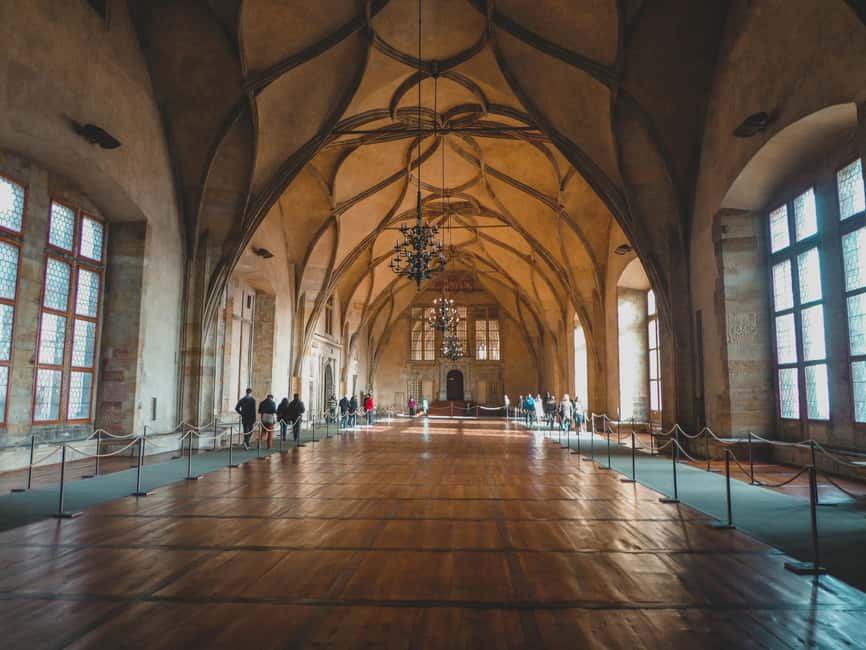
The Old Royal Palace shifts the mood from sacred ceremony to royal administration. Here you see the largest late Gothic throne room in Central Europe, a space built for power, formal gatherings, and the public business of monarchy.
The palace is also linked to Prague’s Third Defenestration. The event took place in the State Chancellery and helped start the Thirty Years’ War. The word defenestration means throwing someone out of a window, and Prague has made a rather unusual specialty of it. In this case, the political consequences were far more serious than the strange word suggests.
This is the kind of stop where a guide adds real value. A large throne room can look impressive without telling you who used it or why it mattered. The connection between the palace, the chancellery, and the outbreak of a major European conflict gives the rooms a sharper edge.
You can also see a replica of the Bohemian crown jewels. The replica helps you understand the symbols of royal authority without relying on a brief label in a display case. I would not book this experience solely for the replica, but it is a useful part of the palace visit, particularly when Robert explains how royal ceremony and political power worked together.
The Old Royal Palace is less immediately ornate than the cathedral, so visitors who prefer colorful decoration may find this section quieter. Its strength is the story. Come ready to listen, and the rooms become a setting for decisions, disputes, and royal ritual.
St. George’s Basilica and the story of St. Ludmila
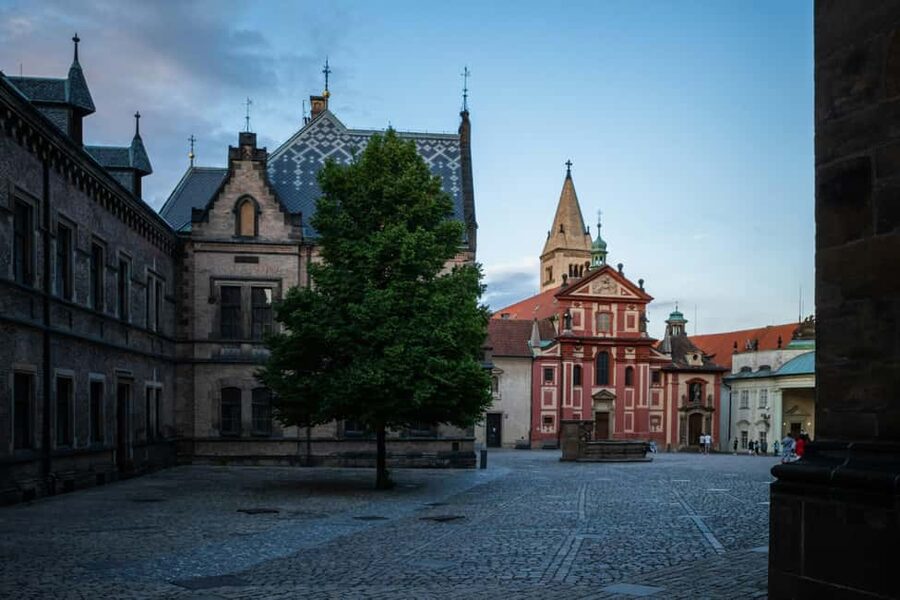
St. George’s Basilica offers a change from the Gothic grandeur of St. Vitus. The basilica dates from the 10th century and has a more compact presence. Its age is part of the appeal, especially after the larger and more elaborate cathedral.
The basilica houses the tomb of St. Ludmila, the grandmother of St. Wenceslas. Her death is tied to a grim family conflict: she was strangled by Viking warriors acting on behalf of her daughter-in-law. That story may sound stark in a peaceful church, but it shows how dynastic disputes and religious power could overlap in early Bohemia.
I appreciate this stop because it keeps the tour from becoming a parade of grand rooms. St. George’s Basilica brings the focus back to people, dynasties, saints, and contested power. You get a smaller building with a different architectural character, plus a story that helps explain the importance of St. Wenceslas and his family.
The drawback is simple: three hours is long enough to cover the major sites, but not long enough for every room, side chapel, or historical aside. If you want a slow architectural study of each building, a private, longer visit would suit you better. This tour is designed to give you a strong overview of the principal interiors.
Same country, a completely different kind of day:
- Prague: 50-Minute Sightseeing Evening Cruise
★ 4.2 · 33,780 reviews - Prague: Medieval Dinner with Unlimited Drinks
★ 4.4 · 19,847 reviews - Prague: Skip-the-line Castle Ticket and Optional AudioGuide
★ 4.3 · 11,121 reviews - Prague: Castle Tour with Local Guide and Entry Ticket
★ 4.6 · 10,422 reviews
Golden Lane, alchemists, and Franz Kafka
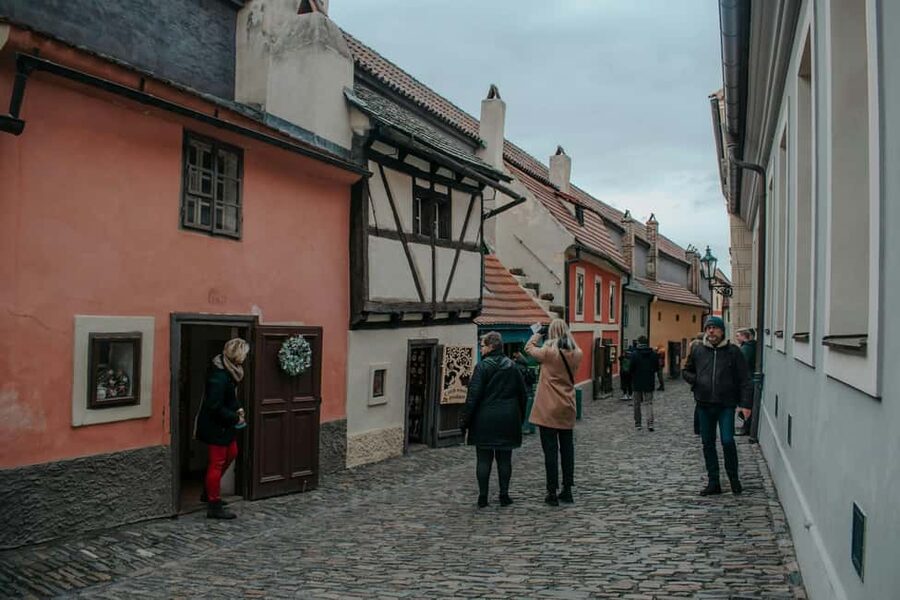
Golden Lane is the most picturesque stop and the one most likely to feel different from the formal castle buildings. Its small houses carry you back to the 16th century, when the lane formed part of the working life around the castle.
The lane is tied to the alchemists of Emperor Rudolf II’s Prague. They searched for an elixir of life and tried to make gold from lead. The stories have a dose of fantasy, but they also point to the emperor’s interest in science, mysticism, art, and unusual experiments.
Franz Kafka is another famous name connected with Golden Lane. The Prague writer lived in one of its little houses. That does not turn the lane into a literary museum, but it adds a modern cultural thread to a very old setting.
Golden Lane is also where the guided route is specifically described as ending. This can be a useful place to continue exploring on your own, browse the tiny interiors, or pause before moving on. Since the separate meeting-point details say the activity ends back at the starting point, confirm the final arrangement with Robert before the tour begins.
I like Golden Lane because it gives the visit a human scale after the immense cathedral and royal palace. The tiny houses are memorable, but they can also feel crowded or quick to see if you try to linger while the group is moving. Treat it as the final chapter of the castle story, not as a stand-alone attraction.
The views from the castle grounds
Prague Castle sits above the city, and the grounds provide broad views across Prague. The tour description presents the castle grounds as the largest enclosed castle grounds in the world according to Guinness World Records. That claim gives you a sense of the site’s size, though the main value for your visit is practical: the castle is large enough to function like a district, not a single monument.
The views are a welcome part of the route. After spending time indoors with royal history and religious art, you can look out over the city and see how the castle relates to Prague below. I would keep your camera ready, but do not let the view distract you from the route’s main purpose. The interior buildings are where the historical explanation is most useful.
The hilltop setting also affects your planning. Wear shoes suitable for walking between several buildings and allow time for the approach to the tram stop. The available information does not give a precise step count or terrain description, so I would not assume every part of the route will feel effortless.
Is the $41 tour fee good value?
The tour costs $41 per person, and that price covers the three-hour guided service in German through the castle grounds and historic interiors. Admission is extra. Adults pay €18, while seniors age 65 and over pay €14.
That means you should compare the total cost, not just the headline tour price. The guide fee buys you a structured route, historical interpretation, and help with the castle ticket. If you tried to cover the same four sites without a guide, you would save the guiding fee, but you would also need to organize the route and make sense of the royal, religious, and political connections yourself.
The ticket arrangement adds some value. Robert takes you to the castle ticket office and helps purchase the admission. You can pay by card at the guide counter, or give him the amount in euros and have him obtain the ticket. The special counter for guides is intended to reduce queuing, though you should still expect the usual security and site-entry procedures that may apply at a major historic complex.
I see the tour as good value for German-speaking visitors who want context and a direct route through the main buildings. It is less compelling if you prefer to wander alone, already know Prague Castle well, or want to control the pace of every stop.
Who will enjoy this castle tour most?
I would recommend it to adults and older teenagers who care about history, architecture, and clear explanations. The tour is specifically not suitable for children under 10, and the three-hour length may be more than young children want to handle even if they were allowed to join.
It works especially well for:
- German-speaking visitors who want a guided explanation rather than a self-guided visit.
- First-time visitors to Prague Castle who want to see the major buildings in one outing.
- People interested in Gothic, Renaissance, and Baroque architecture.
- History fans curious about Bohemian kings, saints, royal ceremony, and the Thirty Years’ War.
- Visitors who value assistance with purchasing the castle admission ticket.
I would hesitate if you need a tour in English or another language, since the live guide language is German. I would also think twice if your main goal is a relaxed photo walk. The route has a clear historical focus, and three hours can pass quickly among four major sights.
The tour has received a 5 out of 5 rating from 15 reviews. One short comment praised the amount of information and the pleasant stories about the subject. That matches the experience’s strongest feature: it is built around explanation, not just entry into impressive rooms.
Practical details that affect your day
Reserve a starting time that leaves room for the tram journey to Pražský hrad. The tour description does not give fixed departure times, so you need to check availability for your chosen date.
Cancellation is flexible up to 24 hours in advance for a full refund, and you can reserve now and pay later. Those terms are useful if your Prague schedule is still shifting, but they do not change the need to arrive at the correct tram stop on time.
Bring a payment card if you want to pay the €18 adult or €14 senior admission at the castle ticket counter. You can also give the amount in euros directly to Robert, who will obtain the ticket with you.
The guide’s name is Robert Procházka. Knowing that in advance makes the meeting easier, especially at a busy tram stop. Look for him directly at the Pražský hrad stop rather than heading first into the castle grounds.
Should you book it?
Book this tour if you want Prague Castle explained in German by a historian, with the major interiors covered in a sensible three-hour route. St. Vitus Cathedral supplies the grand Gothic drama, the Old Royal Palace adds royal politics, St. George’s Basilica brings early Bohemian saints into the picture, and Golden Lane finishes with small houses and memorable legends.
The main reasons to skip it are the extra admission cost, the German-only guiding, and the fixed pace. Check the final meeting-point details with Robert because the information gives both Golden Lane and the original tram stop as possible endpoints.
For a first visit, I think the tour offers a strong balance of famous sights and useful historical context. Add the €18 adult ticket to your budget, arrive at the tram stop early, and choose it when you would rather understand Prague Castle than simply walk through it.
FAQ
How long does the Prague Castle tour last?
The guided tour lasts three hours. Check availability for the starting times offered on your chosen date.
Which language is the tour conducted in?
The live tour guide speaks German. Robert Procházka leads the experience.
Where does the tour begin?
The meeting point is directly at the Pražský hrad tram stop. You can reach it on tram line 22 or 23 in the direction of Bílá hora.
What sights are included in the route?
The tour visits St. Vitus Cathedral, the Old Royal Palace, St. George’s Basilica, and Golden Lane. It also includes a guided walk through the castle grounds and the interiors of the historic buildings.
Is the castle admission included in the $41 price?
No. The guided tour fee is separate from admission. The ticket costs €18 for adults and €14 for seniors age 65 and over.
How can I purchase the castle admission ticket?
Robert accompanies you to the castle ticket office. You can pay by card at the guide counter or give the admission amount in euros directly to him so he can obtain the ticket.
Is the tour suitable for children under 10?
No. The activity is listed as unsuitable for children under 10.
Can I cancel the reservation?
Yes. You can cancel up to 24 hours in advance for a full refund. You can also reserve now and pay later.
Just added around Prague
- WWII and Communism History in Prague’s Old Town Private Tour★ 5.0 · 4 reviews
- Prague: Historical Walking Tour with Focus on World War 2★ 4.3 · 12 reviews
- World War II 4WD Tour from Prague with Lunch★ 4.4 · 3 reviews
- Ultimate Unlimited Beer Pong with Czech Beer★ 4.6 · 5 reviews
- Walking tour of Prague in French : Nové Město★ 4.9 · 16 reviews
- Walking tour of Prague in french: Old Town & Charles Bridge★ 4.9 · 62 reviews
- Prague Sightseeing Tour with Lunch★ 5.0 · 5 reviews
- Prague: Modern Private Spa with Jacuzzi and Sauna★ 4.8 · 62 reviews
Prague Castle Tours, compared.
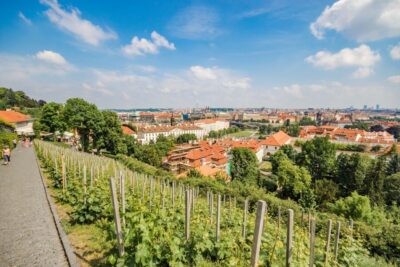
Prague Castle 2.5-Hour Tour Including Admission Ticket
Read our review →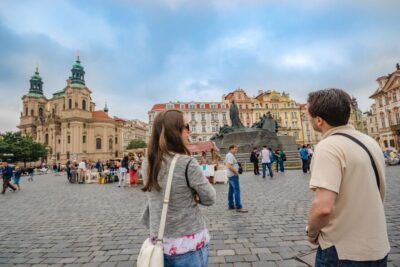
3-Hour Walking Tour of Old Town & Prague Castle
Read our review →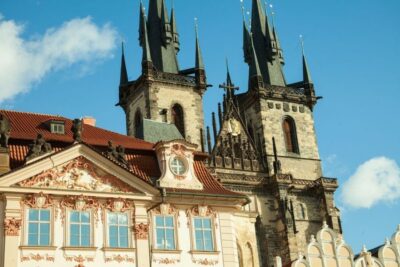
3-Hour Old Town and Prague Castle Tour in German
Read our review →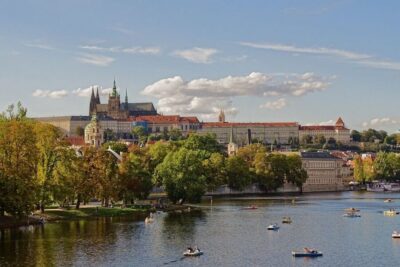
Prague Castle and Lobkowicz Palace Entry Tickets
Read our review →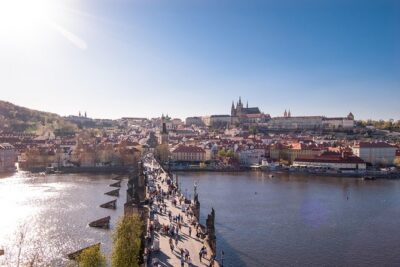
Prague 3-hour Afternoon Walking Tour including Prague Castle
Read our review →
Prague Castle Tour Including Admission Ticket – 2.5 Hour
Read our review →
Full-Day Prague Tour with Prague Castle, Lunch and Vltava Cruise
Read our review →Browse the lists this tour appears in