
Reviewed · WALKING TOURS
Half-Day WWII Prague Walking Tour
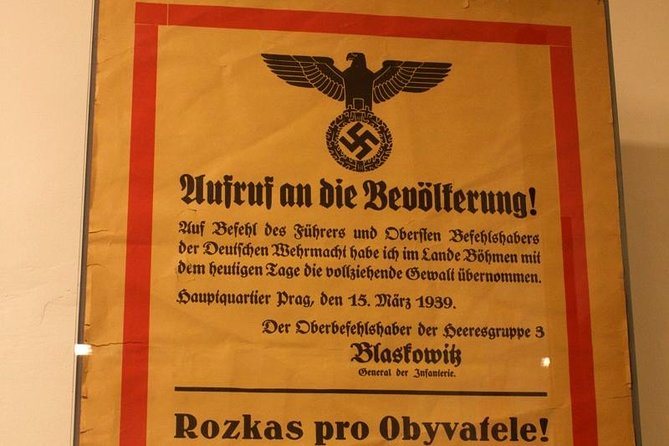
The most gripping part of this Prague WWII tour is the story of Operation Anthropoid, the Czech and Slovak resistance mission that targeted Reinhard Heydrich, the Nazi official known as the Butcher of Prague. You visit places tied to the plot, its aftermath, and the resistance fighters’ final stand, rather than hearing a war story from a classroom.
I like the use of historic photographs, which help you match wartime Prague to the streets in front of you. I also like the small coffee stop, museum admission, and included public transport fares, since they make a long afternoon easier and keep extra costs modest.
The main caution is the walking. The route is extensive, the pace can be brisk, and Prague’s cobblestones are hard on tired feet. One published detail also gives Čechův Bridge as the ending point, while the meeting information names Old Town Square, so confirm the final stop before you go.
Key points at a glance
- Operation Anthropoid takes center stage: Follow the assassination plot against Reinhard Heydrich and learn what happened afterward.
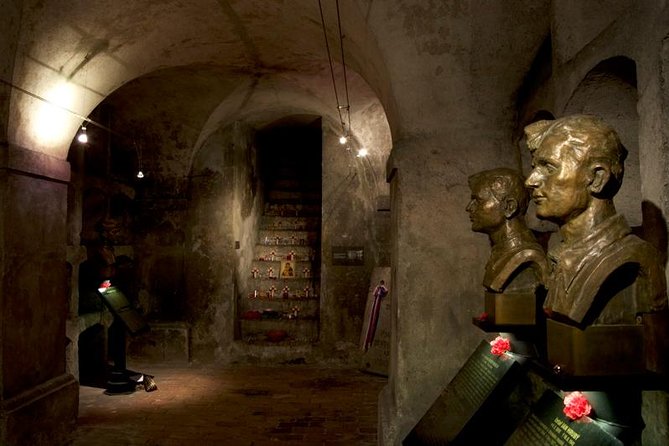
- The church crypt is the emotional core: Visit the basement memorial where Czech resistance fighters made their last stand.
- Old photos add useful context: Your guide uses wartime images to show how important locations looked during the occupation.
- The afternoon mixes walking and transit: Most of the route is on foot, with public transportation included when needed.
- A small group keeps the discussion personal: The maximum group size is 15, and some departures have been private or nearly private.
- The $47.06 price covers useful extras: Museum entry, transit fares, a professional guide, and coffee or another drink are included.
Why Operation Anthropoid gives this tour its shape
Prague’s WWII story is not presented as a long list of dates. Instead, the tour follows a central event: the attempt to kill Reinhard Heydrich, the Nazi ruler of occupied Bohemia and Moravia.
That focus gives the afternoon a clear thread. You learn about the political setting before the attack, the resistance operatives involved, the assassination, and the harsh consequences that followed. The story then reaches its final chapter at the church where the fighters held out.
This is a good approach for you if you want a specific human story rather than a broad military survey. You will hear about courage, fear, resistance, and national pride, along with the difficult choices made by people living under occupation.
The tour also places the event within Prague itself. Streets, squares, church buildings, and former Nazi offices become evidence in the story. A guide such as Michal, Jack, Honza, Martin, or Matt can help you see why an ordinary-looking location matters.
The exact guide is not guaranteed, but the strongest feedback repeatedly singles out these guides for clear English, strong storytelling, flexibility, and a willingness to answer detailed questions. Jack, also referred to as Honza, is described as especially good at adjusting the explanation to personal interests. Michal is praised for his command of Prague’s wartime story and for using photographs to show changes over time.
A few more Prague trips to weigh up
- Prague: 3-Hour Walking Tour of Old Town & Prague Castle
★ 4.7 · 5,696 reviews - Prague: Ghost Walking Tour Where Legends Come To Life
★ 4.4 · 5,253 reviews - Prague: Jewish Quarter Walking Tour with Admission Tickets
★ 4.7 · 3,729 reviews
Starting beside Charles Bridge at 1:30pm
You meet at Křižovnické náměstí, beside Charles Bridge in central Prague, at 1:30pm. This is a busy, easy-to-recognize part of the city, so allow a little time to find the precise meeting spot rather than arriving at the last second.
The tour begins on foot. That matters because you start seeing Prague as a working city with layers of history, not as a collection of isolated museum rooms. Your guide talks while you move through the streets, stopping at locations connected with the wartime story.
The route also uses public transportation. Fares are included, so you do not need to budget separately for the rides or work out each ticket during the tour. Still, wear shoes suited to uneven streets and expect to spend much of the three and a half hours standing or walking.
The group can have up to 15 people. That is small enough for questions to be practical, though the experience will feel more personal if your departure has only a few participants. Several accounts describe departures with two, four, or even one booking party, but you should not assume every date will be that intimate.
The former SS and Gestapo headquarters
One of the route’s useful stops is the former headquarters of the SS and Gestapo. You may not find a dramatic museum display at every exterior location, but the address itself helps explain how Nazi power was organized in Prague.
This is where a good guide matters. A bare building can be easy to overlook, yet photographs and a clear explanation connect it to the machinery of occupation. The tour gives you a chance to ask questions about the administration, resistance, and daily impact of the war.
The experience is strongest when you pay attention to the contrast between the city you see now and the fear that shaped it during the occupation. Prague’s central streets can look peaceful and polished, which makes the wartime accounts feel more unsettling.
Do not expect every stop to offer a large collection of artifacts. Much of the value comes from the guide’s narration, the locations, and the historical images brought along for comparison.
Old Town Square and the city’s wartime layers
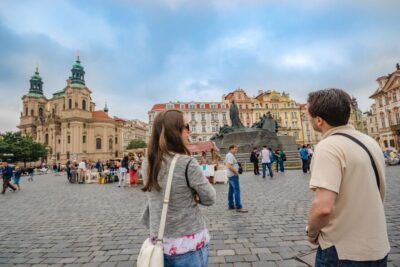
Old Town Square forms part of the walking route and provides a wider view of Prague during the war. It is one of the city’s major public spaces, but this tour asks you to consider it in the context of occupation, resistance, and public life under Nazi control.
The square also helps break up the more concentrated Operation Anthropoid story. You hear about the Czechs who defended their country and see how the city’s familiar center fits into that larger account.
This is a good point to keep your expectations realistic. Prague has fewer obvious WWII sights than some European capitals, and much of the evidence here is tied to specific buildings, streets, and memorials rather than vast battlefields. One rating specifically felt the tour could have been shorter because the physical remains are limited.
I think the three and a half hours make sense if you want the full story and enjoy questions, photos, and city context. If you only want the key facts about Heydrich and the resistance, the route may feel longer than necessary.
Same country, a completely different kind of day:
- Prague: 50-Minute Sightseeing Evening Cruise
★ 4.2 · 33,780 reviews - Prague: Medieval Dinner with Unlimited Drinks
★ 4.4 · 19,847 reviews - Prague: Skip-the-line Castle Ticket and Optional AudioGuide
★ 4.3 · 11,121 reviews - Prague: Castle Tour with Local Guide and Entry Ticket
★ 4.6 · 10,422 reviews
The museum and the final battle
The tour includes entry to a museum at the place where the Czechs fought their last battle. The supplied details do not identify the museum by name, so you should think of this as a focused stop tied to the final resistance story, not a full survey of Czech WWII collections.
This is one of the tour’s most important advantages over a simple street walk. You get an indoor setting, museum material, and a chance to pause while the guide fills in the final stage of the story.
The church basement bunker memorial is described as especially moving. This is where the surviving resistance fighters made their last stand after the assassination of Heydrich. The setting brings the human cost into sharp focus, and it is likely to be the quietest, most reflective part of the afternoon.
A film may also be shown as part of the museum visit, although one guide had to arrange it specially when a screening was not originally planned. That suggests the exact museum presentation can vary, so do not treat the film as guaranteed unless the operator confirms it.
The church crypt and the resistance story
The church crypt is the point where the tour’s story stops being abstract. You see the place connected with the resistance fighters who hid after the assassination and learn how German forces eventually found them.
The tour does not simply present the operatives as symbols. Guides explain the lead-up to the attack, the operation itself, the response by the Nazi authorities, and the final battle. That sequence gives you a better sense of the risks involved.
The memorial is also a place for reflection. It is not a light sightseeing stop, and the subject includes execution, reprisals, and the destruction caused by the occupation. If you are traveling with children, the story can still work, but you may want to judge the level of detail for your family.
One family with a nine-year-old found the tour engaging and adaptable, while another guide tailored explanations for both an adult WWII enthusiast and a child. The guide’s approach will shape the experience, so tell your guide what level of detail suits your group.
Coffee, photos, and conversations along the way
A short break at a local café includes coffee, tea, or a soft drink. Food is not included, and this is not a meal stop, but the pause matters after a long walk over stone streets.
The break also gives you a chance to absorb the story and ask questions in a less formal setting. A guide may continue explaining events during the stop, so do not expect a full change of subject.
Historic photographs are another strong feature. They help you see how buildings and streets looked during the war and can make otherwise ordinary corners easier to understand. Several guides are praised for bringing images that show the past and present side by side.
You may also get reading or film recommendations. One guide helped a participant find a bookstore for more material, and another suggested books and movies about the Czech resistance. These extras are useful if the tour sparks a desire to keep studying after the afternoon ends.
Walking demands, public transport, and timing
The tour lasts about three hours and 30 minutes, beginning at 1:30pm. It ends in central Prague, making it easy to continue sightseeing or find dinner afterward, but the published information gives two different end points: Old Town Square in the meeting details and Čechův Bridge in the tour description.
Ask the operator to confirm the endpoint on your date. The difference is not enormous within central Prague, but it matters if you have a restaurant reservation, another tour, or a timed attraction afterward.
Most of the experience is on foot. One account describes the route as fast and extensive, with cobblestones that may challenge anyone who has trouble walking. Another describes a leisurely pace, so the actual feel may depend on the guide, group, weather, and questions.
Wear supportive shoes, bring water, and allow room in your schedule. The coffee stop helps, but it does not turn the tour into a low-effort activity. Most people can participate, yet the operator does not promise a fully accessible route.
Is $47.06 a fair price?
At $47.06 per person, this is not the cheapest way to walk around Prague, but the price includes several useful items: a professional local guide, museum entry, public transportation fees, and one drink during the café break.
The real value depends on how much you want interpretation. You can pass many of these locations without knowing their connection to the occupation or Operation Anthropoid. The guide turns a set of scattered places into one connected account and supplies photographs that you would not have on your own.
The small maximum group of 15 also helps. You are paying for an organized experience rather than simply following a printed route, and the guides appear prepared to answer questions about military history, politics, economics, and Czech culture.
I would consider it good value for a history-focused afternoon, especially if you have already seen Prague’s major sights and want a more serious subject. It is less worthwhile if you want a quick overview, dislike long walks, or prefer museums with many original objects on display.
The tour requires at least two people per booking. Confirmation is normally sent at booking, though bookings made within two days of departure may be confirmed within 48 hours and remain subject to availability.
Who should book this Prague WWII walk?
I would choose this tour if you have a real interest in WWII, resistance movements, modern Czech history, or the story of Heydrich. It also suits you if you enjoy learning through places and conversation rather than spending three hours inside one museum.
It can work for families, especially when the guide adjusts the detail and pace. Still, the subject is serious, and younger children may not enjoy the length or difficult material.
You should think twice if long walks on cobblestones are uncomfortable. The tour is also not ideal for anyone looking for a broad introduction to all of Prague’s wartime history, since Operation Anthropoid takes up much of the afternoon.
Free cancellation is available if you cancel at least 24 hours before the start time. Changes or cancellations made within 24 hours are not accepted for a refund.
Should you book it?
Book this tour if the names Heydrich and Operation Anthropoid already interest you, or if you want to understand the courage and cost of Czech resistance. The church crypt, museum stop, wartime photographs, and strong local guides make the subject feel specific and personal.
Skip it if you want a short, light sightseeing walk or if three and a half hours on uneven streets sounds tiring. Before booking, confirm the final meeting point, tell the guide your interests, and plan for a serious history lesson with a lot of walking.
FAQ
Where does the WWII Prague walking tour begin?
The tour begins at Křižovnické náměstí beside Charles Bridge in central Prague. The scheduled start time is 1:30pm.
Where does the tour end?
The meeting information lists Old Town Square as the end point. The tour description also mentions Čechův Bridge, so confirm the final stop with the operator before departure.
How long does the tour last?
The experience lasts approximately three hours and 30 minutes.
Is the tour conducted in English?
Yes. The tour is offered in English.
Is museum admission included?
Yes. Entry to the museum connected with the Czech resistance’s final battle is included.
Does the price include public transportation?
Yes. Public transportation fees used during the tour are included.
Is coffee included?
Yes. The tour includes a short café break with your choice of coffee, tea, or a soft drink. Other food and drinks are not included.
Just added around Prague
- WWII and Communism History in Prague’s Old Town Private Tour★ 5.0 · 4 reviews
- Prague: Historical Walking Tour with Focus on World War 2★ 4.3 · 12 reviews
- World War II 4WD Tour from Prague with Lunch★ 4.4 · 3 reviews
- Ultimate Unlimited Beer Pong with Czech Beer★ 4.6 · 5 reviews
- Walking tour of Prague in French : Nové Město★ 4.9 · 16 reviews
- Walking tour of Prague in french: Old Town & Charles Bridge★ 4.9 · 62 reviews
- Prague Sightseeing Tour with Lunch★ 5.0 · 5 reviews
- Prague: Modern Private Spa with Jacuzzi and Sauna★ 4.8 · 62 reviews
Walking Tours, compared.
3-Hour Walking Tour of Old Town & Prague Castle
Read our review →
Ghost Walking Tour Where Legends Come To Life
Read our review →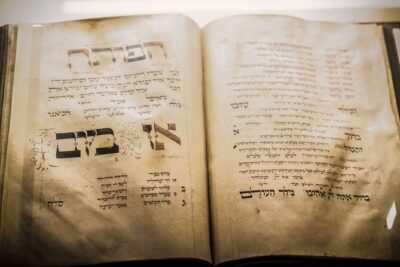
Jewish Quarter Walking Tour with Admission Tickets
Read our review →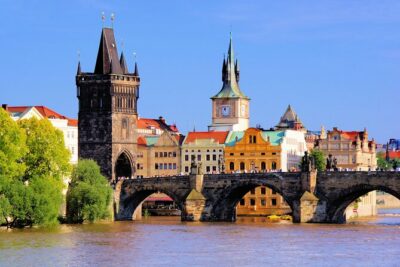
Prague Guided Walking Tour and Cruise with Authentic Czech Lunch
Read our review →
Old Town and Jewish Quarter Guided Walking Tour
Read our review →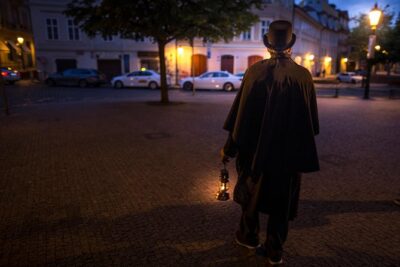
Prague Ghost and Legend of Old Town Walking Tour
Read our review →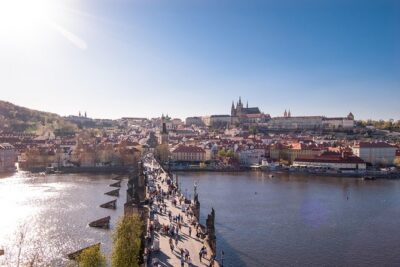
Prague 3-hour Afternoon Walking Tour including Prague Castle
Read our review →
Ghosts and Legends Nighttime Guided Walking Tour
Read our review →Browse the lists this tour appears in