
Reviewed · MUSEUMS
IAM Illusion Art Museum Entry Ticket
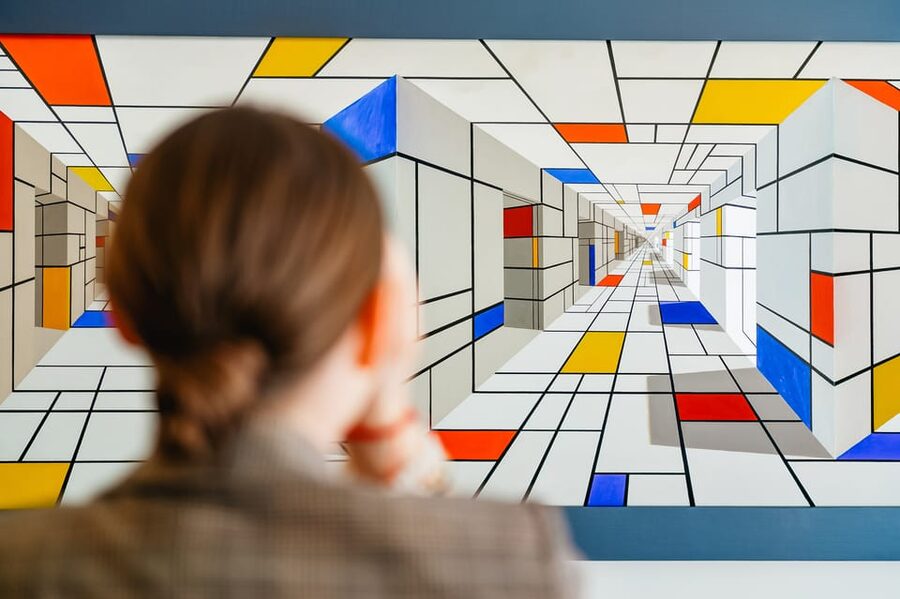
Prague’s IAM Illusion Art Museum turns looking at art into a hands-on game. You will see paintings that change with your viewpoint, images that become 3D through your phone, and installations designed for you to step into. It is less a quiet gallery than a playful stop in the city center.
I like the mix of clever photo opportunities and serious artistic technique. I also like the Czech focus, with figures such as Charles IV, Franz Kafka, Václav Havel, and Nikola Tesla presented through illusion art. The main drawback is size: many people finish in 30 to 60 minutes, and busy periods can make the best photo stations feel cramped.
Key points to know before you go
- Expect 30 to 90 minutes: The museum is compact, but the time depends on how many exhibits you try and how long you spend taking photos.
- Use your charged smartphone: QR codes and the museum app create several 3D and augmented-reality effects.
- Ask the staff for photo help: Staff members regularly explain the setups and take pictures for visitors, including solo visitors.
- Look beyond the funny pictures: The displays cover anamorphoses, reverse perspective, lenticular images, optical reliefs, stereoscopic photography, and metallurgical painting.
- Plan around crowds: There are no stated time slots, and some photo stations can get crowded.
- Bring a camera, not a pet: Assistance dogs are allowed, but other pets are not. The museum is not suitable for wheelchair users.
Why IAM Illusion Art Museum is different from a standard gallery
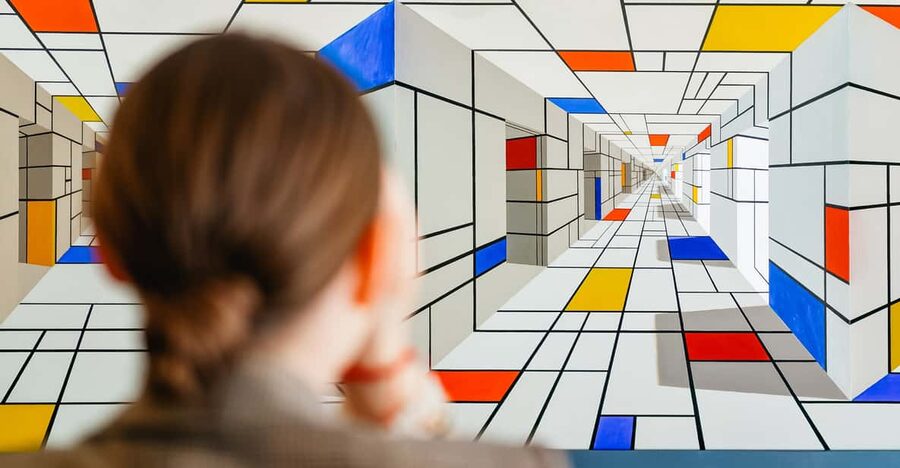
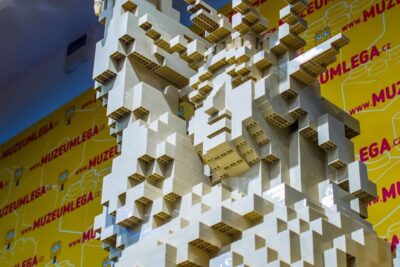
The central idea here is simple: your eyes do not always tell the whole story. At IAM, an artwork may look flat from one angle and strangely deep from another. A sculpture can appear to turn into a painting, while a two-dimensional image can open into a larger scene when viewed through a phone.
That makes the museum especially easy to enjoy with a friend, child, or partner. You are not expected to stand silently in front of each work and guess what the artist intended. You try a position, move your head, scan a code, and see what changes.
The art is not all the same kind of trick. The collection moves from older illusion methods to modern digital effects. You might encounter anamorphic art, where a distorted image makes sense only from a certain viewpoint, alongside lenticular work that shifts as you move past it.
This variety matters. If the museum offered only cartoon-like photo stations, you could run out of interest quickly. Instead, the exhibits give you a short introduction to several ways artists have played with depth, perception, light, and movement.
A few more Prague trips to weigh up
- Prague: Museum of Fantastic Illusions Entry Ticket
★ 4.3 · 4,337 reviews - Prague: Museum of Senses Admission Ticket
★ 4.0 · 1,445 reviews - IAM Illusion Art Museum Prague Fast Pass Ticket
★ 5.0 · 957 reviews
Starting with anamorphoses and changing viewpoints
Anamorphosis is one of the museum’s most useful ideas to understand early. An image is intentionally stretched or distorted, then becomes recognizable when you stand in the right spot. The effect rewards movement, so do not rush past a work after viewing it from one position.
Patrik Proško’s 3D anamorphic creations are among the more distinctive examples. They show how an artist can build an image that depends on both the object and the viewer’s location. You are not simply looking at a finished picture. Your body helps complete it.
British artist Patrick Hughes brings another form of visual confusion through reverse perspective. His works appear to project toward you, but the construction creates the opposite effect when you shift position. This is the kind of art that makes sense only after you walk from side to side.
I find these displays more rewarding when you give them a few extra seconds. The first glance provides the surprise. The second look helps you understand the method behind it.
From metallurgical paintings to optical reliefs
The museum also gives space to techniques that are less dependent on phone screens. Ladislav Vlna’s metallurgical paintings use metal and its surface qualities as part of the image. Light, texture, and the angle of your view all affect what you see.
Ivana Štenclová’s optical reliefs add physical depth to the visual experience. Rather than relying on a flat painted surface alone, the work uses raised forms to create shifting patterns and shadows.
You will also encounter distorted 3D paintings by Zdeněk Daňek and Jan Jírovec. These works play with the familiar rules of perspective. They can look incorrect at first, then become convincing when viewed from the intended position.
David Strauzz’s morphing lenticular images offer a more modern effect. Lenticular images change as you move, so two or more visual states can appear to occupy the same surface. This is a good reminder that the museum is not only about taking a funny picture. It is also showing how artists use materials and optics to control your point of view.
The exhibits become activities, not just displays
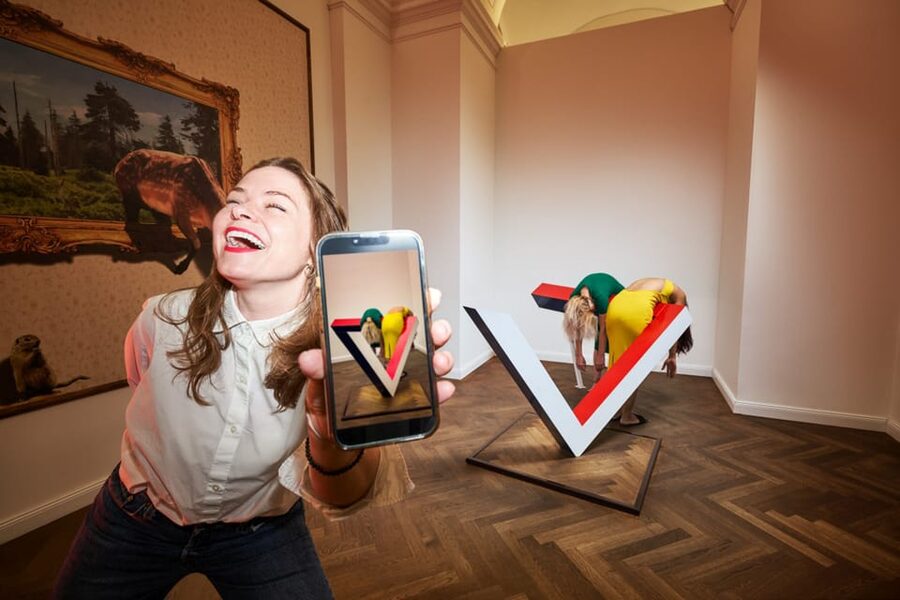
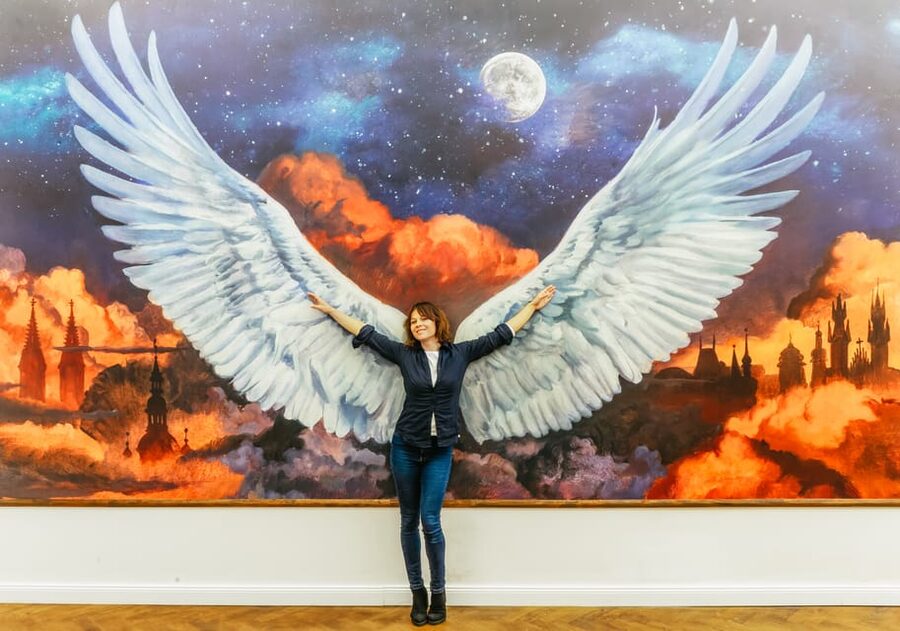
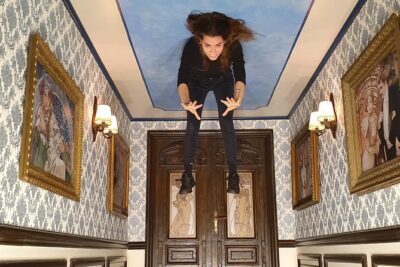
The most popular part for many people will be the interactive setup. You can turn a flat image into a 3D space, use your body as part of an illusion, and create photographs that make it look as if you are inside the artwork.
A charged smartphone is essential for the full experience. QR codes activate several effects, and the museum’s augmented-reality app adds another layer to selected works. Your phone becomes a viewing tool rather than just a camera.
Bring enough battery for photos and app use. The museum specifically asks you to bring a camera and charged smartphone, and that advice is practical. If your phone is not compatible with the app, you can still enjoy the physical displays, but you may miss some digital effects.
Light painting is another hands-on feature. It gives you a chance to experiment with light and movement, rather than simply posing in front of a fixed scene. The mini cinema adds behind-the-scenes material, helping explain how some of the visual effects work.
Staff support is one of the strongest practical features. People working inside can show you how to scan the QR codes, suggest where to stand, and take photos. This is especially useful if you are visiting alone. It also helps families avoid spending too long guessing how an exhibit is meant to work.
Same country, a completely different kind of day:
- Prague: 50-Minute Sightseeing Evening Cruise
★ 4.2 · 33,780 reviews - Prague: Medieval Dinner with Unlimited Drinks
★ 4.4 · 19,847 reviews - Prague: Skip-the-line Castle Ticket and Optional AudioGuide
★ 4.3 · 11,121 reviews - Prague: Castle Tour with Local Guide and Entry Ticket
★ 4.6 · 10,422 reviews
A short route through Czech stories and famous figures
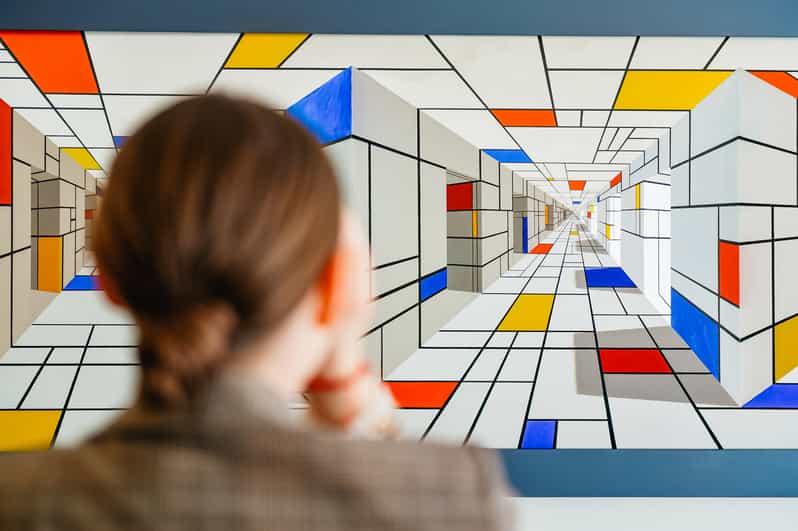
IAM does not treat Czech culture as a separate lecture. It folds historical subjects into the illusion artworks. That keeps the information light and visual, which suits a short museum visit.
You may see references to the Swedish siege of Prague and the fall of the Bohemian monarchy. These episodes give the art a local connection, even if you are not already familiar with Czech history.
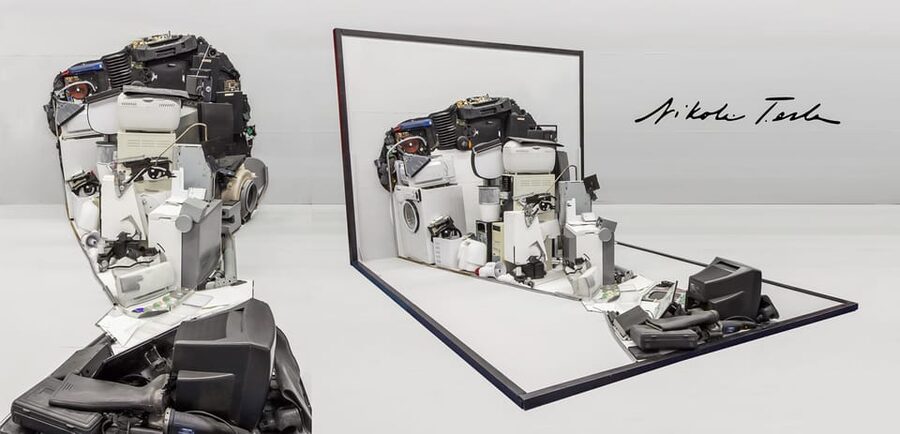
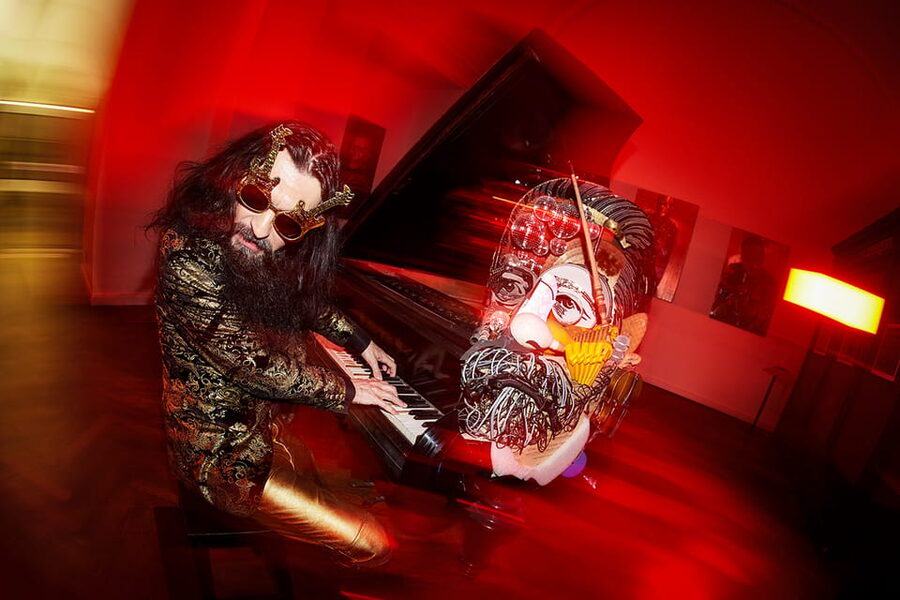
Other works feature St. Agnes of Bohemia, Bedřich Smetana, and Nikola Tesla. The museum also presents figures such as Charles IV, Franz Kafka, and Václav Havel. The point is not to provide a full historical account of each person. Instead, the displays give you a quick cultural introduction while using unusual visual methods.
The audio guide helps add context. It is available in English, Czech, Croatian, French, Chinese, German, Italian, Polish, Portuguese, Russian, Spanish, Ukrainian, and Vietnamese. The host or greeter languages are Czech and English.
If you want a calm, detailed study of Czech history, this is not the right museum. If you want an entertaining way to meet some major Czech names while exploring visual art, it fits well into a day in Prague.
How long you should allow
The advertised ticket is valid for one day, but most people will not need the whole day inside. A sensible plan is 30 to 60 minutes for a quick visit and 60 to 90 minutes if you want to try the interactive displays, repeat a few photo setups, and watch the mini cinema material.
The difference comes from the photo stations. A small group can move through quickly when the museum is quiet. At a busy time, you may wait for a good angle or repeat a pose after seeing how the effect works.
Some visitors have found the museum smaller than expected. That is the clearest limitation of the experience. The $16 ticket can feel reasonable if you value the interactive elements and the central location, but less attractive if you judge it by floor area or total time alone.
I would treat it as a short city-center activity, not a full afternoon museum. It works well between major Prague sights, during bad weather, or when you need something light after a long stretch of churches, towers, and historic rooms.
Crowds, comfort, and taking better photographs
The museum’s popularity creates one practical issue: photo stations can become congested. There are no stated time slots, and several people may want the same angle at once. You might find yourself stepping aside while another group finishes, or feeling that you are in someone else’s picture.
Go at a quieter time if you can. The available information does not identify specific quiet hours, so I would simply avoid assuming that every visit will be quick. If the museum is busy, make one circuit first, then return to the displays you most want to photograph.
Staff can make a big difference. They help position people, explain where to stand, and take pictures for groups or solo visitors. That support is valuable because many illusions depend on precise framing. A casually snapped photo may not show the effect at all.
Bring patience as well as your phone. The best image may require you to stand in a particular place, hold a pose, or let another person help with the camera. Think of the photographs as part of the activity, not an extra you can do in a few seconds.
The museum has also been described as warm in summer because it does not have air conditioning. Keep that in mind if you are visiting on a hot day. On the other hand, it is a useful rainy-day stop, and several people have found it a pleasant way to get indoors when Prague weather turns wet.
Who will enjoy this museum most
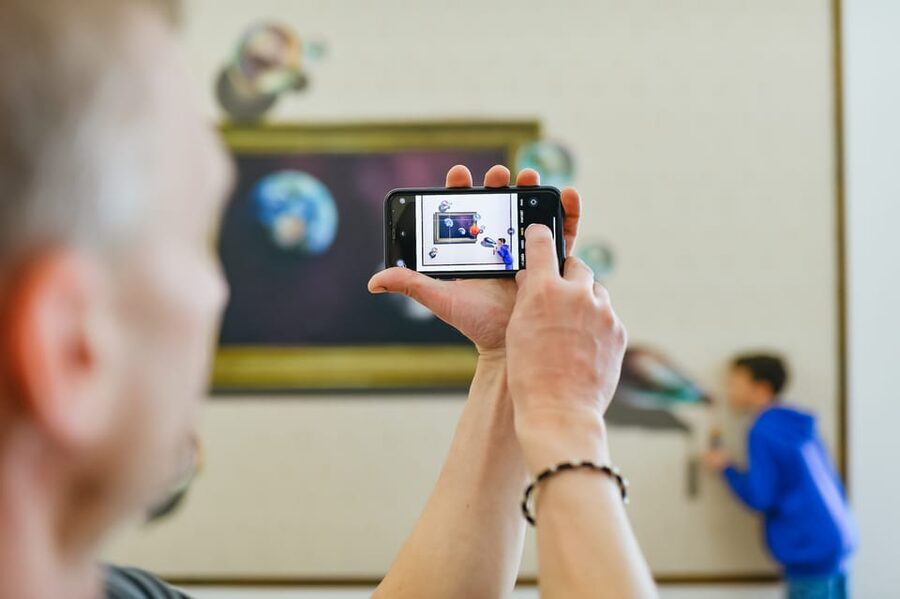
Families with children have a clear reason to come. The interactive displays give a seven-year-old something to do, while the artistic techniques provide enough variety for adults. You will need to guide younger children around the photo stations, but the basic idea is easy to grasp.
It also suits couples and friends who enjoy playful photos. Many exhibits work better with two people, especially when one person poses and the other takes the picture. Solo visitors are not left out because staff can help with photographs.
Art students and curious adults may appreciate the range of methods more than the photo opportunities alone. Reverse perspective, stereoscopic photography, optical relief, lenticular images, and metal-based painting offer a compact look at how illusion can be made by hand, material, viewpoint, or technology.
I would be less likely to recommend it to someone seeking a large traditional collection. The museum is small, and the visit is built around interaction rather than long labels and quiet contemplation. It is also not suitable for wheelchair users, an important limitation to check before booking.
Price, booking flexibility, and overall value
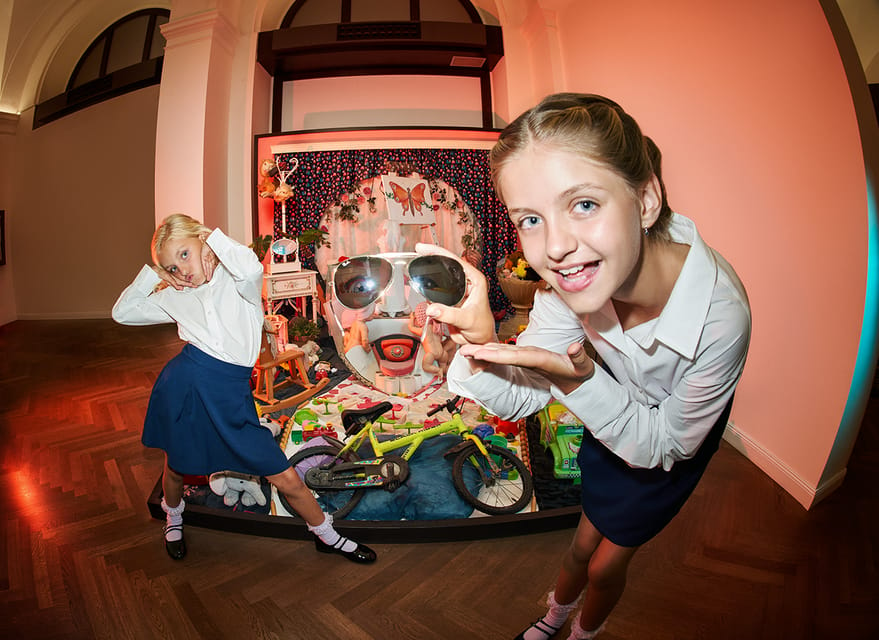
At $16 per person, the ticket is not expensive by the standards of many central European attractions, but it is not a bargain based on size alone. The value depends on how actively you use the museum.
If you walk through in 30 minutes and take only a few pictures, the price may feel high. If you try the app, scan the QR codes, experiment with light painting, watch the mini cinema, and ask staff to help with photos, the visit becomes a fuller activity.
The flexible booking terms are useful for a changeable Prague schedule. You can reserve now and pay later, and cancellation is allowed up to 24 hours in advance for a full refund. The ticket is valid for one day, with starting times checked through availability.
Food and drinks are not included. Plan to eat elsewhere, though one older account specifically noted a café with nice food. That café detail is not part of the included ticket, so I would not treat it as a guaranteed feature of the booking.
Practical tips for a smoother visit
- Charge your phone before arrival. Several effects use QR codes or augmented reality, and you will likely take many pictures.
- Visit with a friend if possible. The displays are still manageable alone, but two people can create more playful images.
- Ask for help early. Staff can show you the intended viewpoint and take pictures, saving you trial and error.
- Allow extra time when it is crowded. The museum is compact, and a few occupied stations can slow your route.
- Use the audio guide if you want context. It is available in a wide range of languages, including English and Czech.
- Think of it as a flexible stop. Its short length makes it easy to fit between larger Prague sights.
- Do not bring a pet. Assistance dogs are allowed, but other pets are not.
Should you book IAM Illusion Art Museum Prague?
Book it if you want a short, playful museum with strong photo opportunities and more artistic substance than a simple selfie attraction. The staff assistance, phone-based effects, and Czech historical themes make the $16 price easier to justify.
Skip it if you need a large collection, a long guided visit, or a fully accessible attraction for wheelchair users. Also be realistic about the time. You are buying a compact experience, usually 30 to 90 minutes, not an all-day cultural institution.
For most people, I would place IAM on a rainy afternoon list or use it as a lively break from Prague’s grand historic sights. Go with a charged phone, leave room for a little crowding, and give the optical works enough attention to understand how the tricks are made.
FAQ
Where is IAM Illusion Art Museum Prague located?
It is located in the historic heart of Prague, in the Central Bohemian Region of the Czech Republic.
How long does a visit usually take?
The ticket is valid for one day, but the actual visit is usually much shorter. Plan for about 30 to 90 minutes, depending on how many interactive displays and photo setups you try.
What languages are available?
The host or greeter languages are Czech and English. The audio guide is available in English, Czech, Croatian, French, Chinese, German, Italian, Polish, Portuguese, Russian, Spanish, Ukrainian, and Vietnamese.
Do I need a smartphone?
You should bring a charged smartphone because several exhibits use QR codes, augmented reality, and camera-based effects. A camera is also recommended.
Can staff take photographs for me?
Yes. Staff members can explain how to use the QR codes and help take photographs, including for people visiting alone.
Is the museum suitable for wheelchair users?
No. The activity is listed as not suitable for wheelchair users.
Can I cancel my booking?
Yes. You can cancel up to 24 hours in advance for a full refund. You can also reserve now and pay later, subject to the booking conditions.
Just added around Prague
- WWII and Communism History in Prague’s Old Town Private Tour★ 5.0 · 4 reviews
- Prague: Historical Walking Tour with Focus on World War 2★ 4.3 · 12 reviews
- World War II 4WD Tour from Prague with Lunch★ 4.4 · 3 reviews
- Ultimate Unlimited Beer Pong with Czech Beer★ 4.6 · 5 reviews
- Walking tour of Prague in French : Nové Město★ 4.9 · 16 reviews
- Walking tour of Prague in french: Old Town & Charles Bridge★ 4.9 · 62 reviews
- Prague Sightseeing Tour with Lunch★ 5.0 · 5 reviews
- Prague: Modern Private Spa with Jacuzzi and Sauna★ 4.8 · 62 reviews
Museums, compared.
IAM Illusion Art Museum Prague Fast Pass Ticket
Read our review →
Ticket to Audiovisual Light Art at Lumia Gallery
Read our review →
Browse the lists this tour appears in