Reviewed · TOURS
Prague: Communists and World War II Tour
Prague’s modern story is written across ordinary streets. This two-hour walk connects World War I, Nazi rule, Communism, and the Velvet Revolution, showing how one political shock led to another. You begin by the Charles Bridge and finish near Republic Square, with National Street and Wenceslas Square providing the main stages.
I like the clear historical arc and the chance to hear about people who resisted, including Jan Palach and Milada Horáková. I also like the thoughtful guides: Barbara, Martin, Otakar, Inna, Dana, and others have been praised for answering questions and linking old events to life in the Czech Republic today. The main drawback is that this is a talk-and-walk history lesson, not a tour packed with grand monuments. Bring comfortable shoes, and expect some explanation to happen in busy city streets.
Key points to know before you book
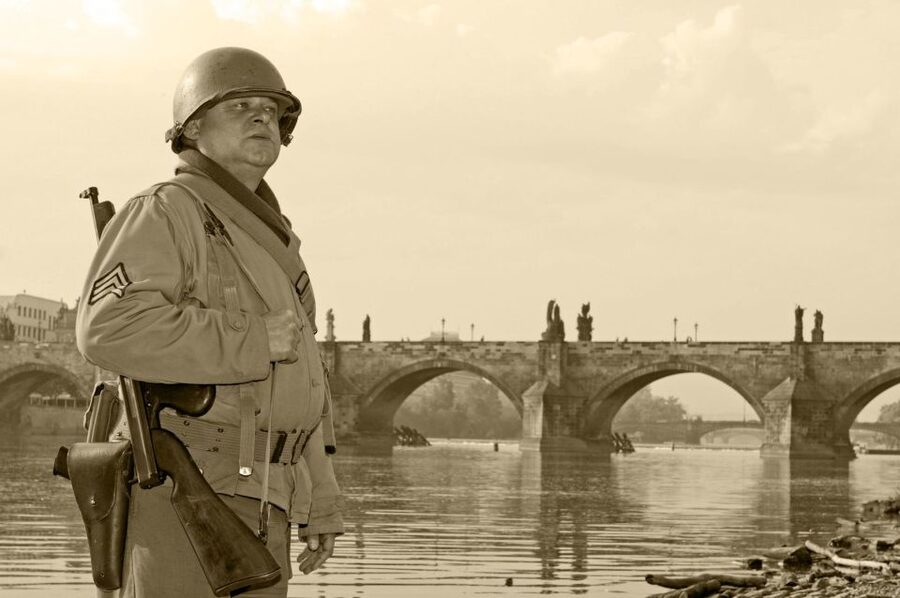
- A two-hour walk through Prague’s modern political history: Follow the path from the creation of Czechoslovakia to Nazi occupation, Communist rule, the Soviet occupation, and the Velvet Revolution.
- Stalin’s former 30-meter statue: Hear the story behind the huge monument that once dominated Prague’s skyline.
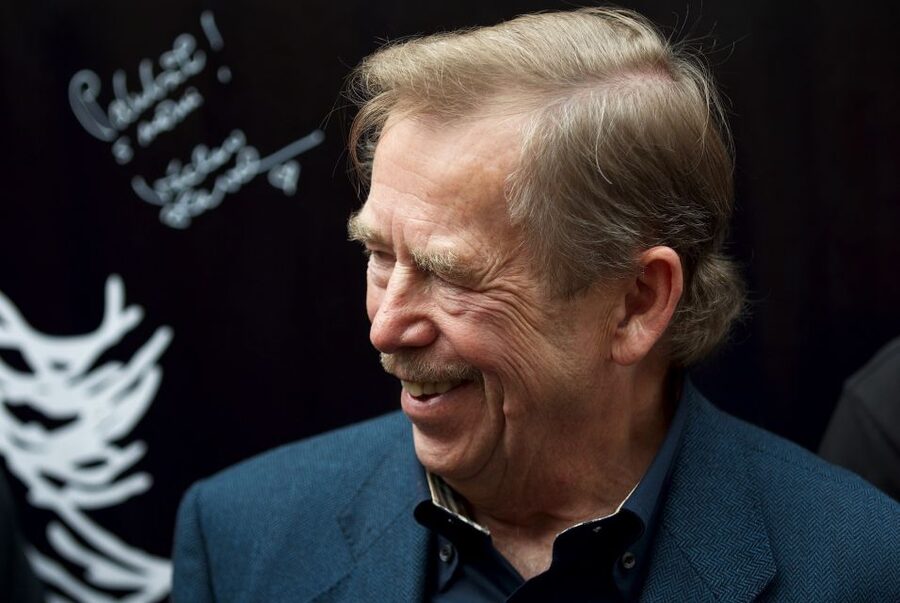
- A strong focus on people and protest: Learn why Jan Palach set himself on fire and how Milada Horáková became a symbol of resistance to Communism.
- Useful central starting point: Meet at Křižovnické Square, beside the Statue of Charles IV and in front of the Charles Bridge.
- English, German, and Russian tours: Guides include Barbara, Martin, Otakar, Inna, Dana, and others, depending on the departure.
- Good value at $29: The price covers a local guide and a 10% discount for the Museum of Communism. Museum entry is included only with the selected option.
Why Prague’s 20th-century story needs a walking tour
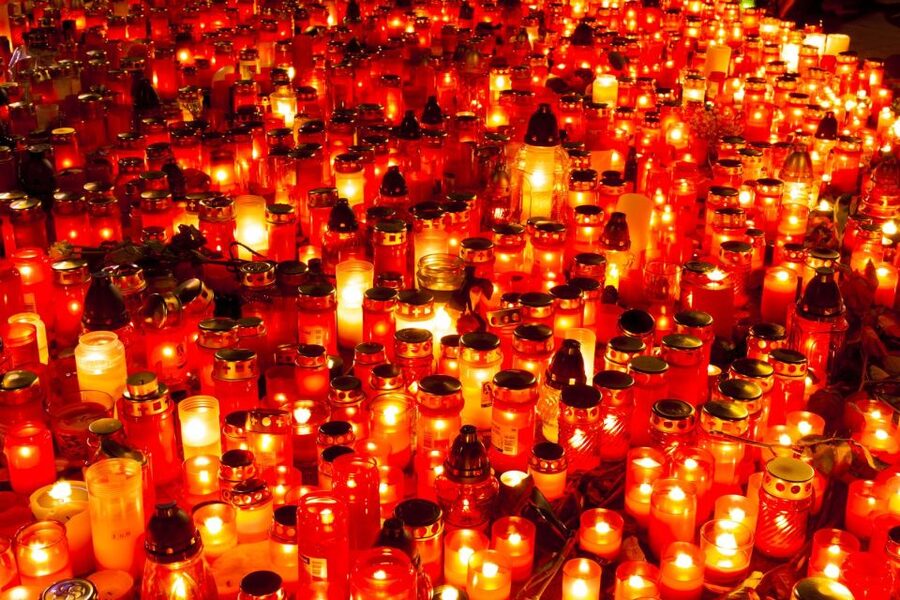
Many first visits to Prague focus on medieval lanes, church towers, and the Charles Bridge. Those sights are essential, but they can leave you with a blank space between the Habsburg era and the present day. This tour fills that gap.
The central idea is cause and effect. You hear how World War I helped bring about the end of the old imperial order, how Czechoslovakia was created, and how the political settlement after World War I helped shape the tensions that led to World War II. From there, the walk moves into Nazi occupation, post-war Communism, the Cold War, the Iron Curtain, and the fall of Communist rule.
That structure matters. Instead of collecting isolated dates, you can follow a chain of events through the streets beneath your feet. The guide explains what changed, who held power, and how ordinary people responded.
I would choose this tour early in a Prague visit if modern European history interests you. It gives you useful context for later visits to the Museum of Communism, the National Museum, or sites connected to wartime resistance. You will also start seeing Prague’s memorials and public spaces as political places, not just pretty backdrops.
Other Prague days worth booking alongside this:
- Prague: 50-Minute Sightseeing Evening Cruise
★ 4.2 · 33,780 reviews - Prague: Medieval Dinner with Unlimited Drinks
★ 4.4 · 19,847 reviews - Prague: Skip-the-line Castle Ticket and Optional AudioGuide
★ 4.3 · 11,121 reviews
Meeting at Křižovnické Square beside the Charles Bridge
The meeting point is in front of the Charles Bridge at Křižovnické Square, next to the Statue of Charles IV. Look for the guide holding an orange umbrella. Staroměstská is the closest tram or subway station.
This is a practical location, but it can be crowded. One guide has noted that several tour leaders may use orange umbrellas at the same time, making the correct person harder to identify. If you see a cluster of guides, check the tour name or ask before setting off. Arriving a few minutes early will save you a rushed search.
Starting here gives the tour a useful opening contrast. The Charles Bridge and its medieval setting remind you of Prague’s long past, while the guide turns your attention toward the much more recent political changes that shaped the country you see today.
The tour is offered in English, German, and Russian. The guide can make a major difference because the subject depends on explanation more than spectacle. Barbara has been praised for her engaging presentation, while Martin has been noted for detailed answers and personal discussion. Otakar has also been singled out for handling questions well. Your exact guide depends on the departure, but the strongest part of the experience is the live conversation.
National Street and the creation of Czechoslovakia
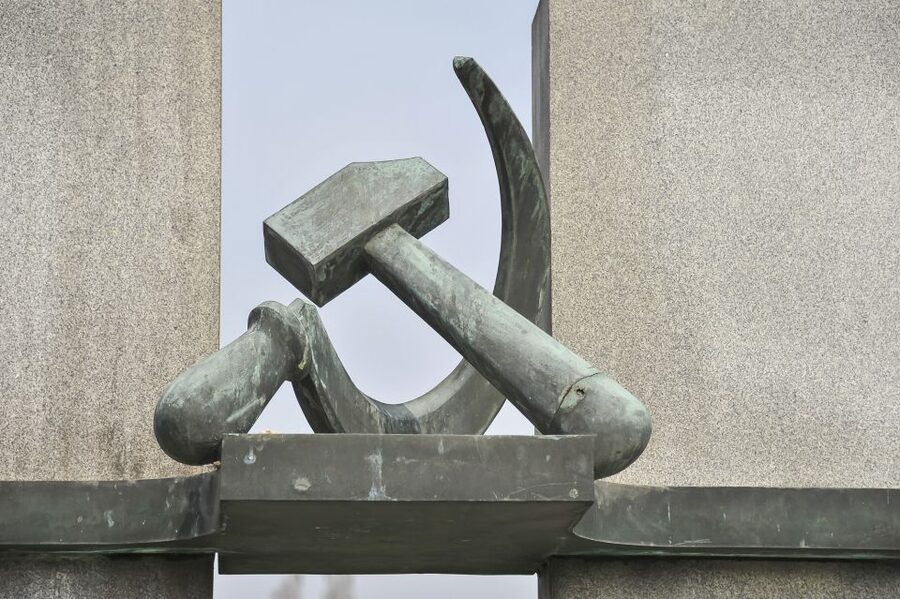
The walk moves toward Národní, or National Street, and then through Prague’s New Town. This part helps set up the political changes of the early 20th century.
You learn about World War I and the conditions that led to the creation of Czechoslovakia. The story is not presented as a simple birth of a nation followed by instant success. Instead, you get a sense of the political pressures, shifting loyalties, and regional changes that followed the collapse of the old order.
This is where a guide earns the fee. A plaque or building alone cannot explain how one war helped create a new state, or why that state later became vulnerable to larger powers. A strong guide can connect the broad European story with the streets of Prague.
Do not expect every stop to offer a dramatic object to photograph. Some locations are important because of what happened there, not because the site looks different today. That is a fair trade for anyone who wants to understand the city rather than simply check off landmarks.
The New Town section also gives you a broader view of Prague. The tour is not limited to war memorials or museum displays. You walk through places used for daily life, which makes the political story feel tied to the city’s normal routines.
Wenceslas Square and the pressure of public protest
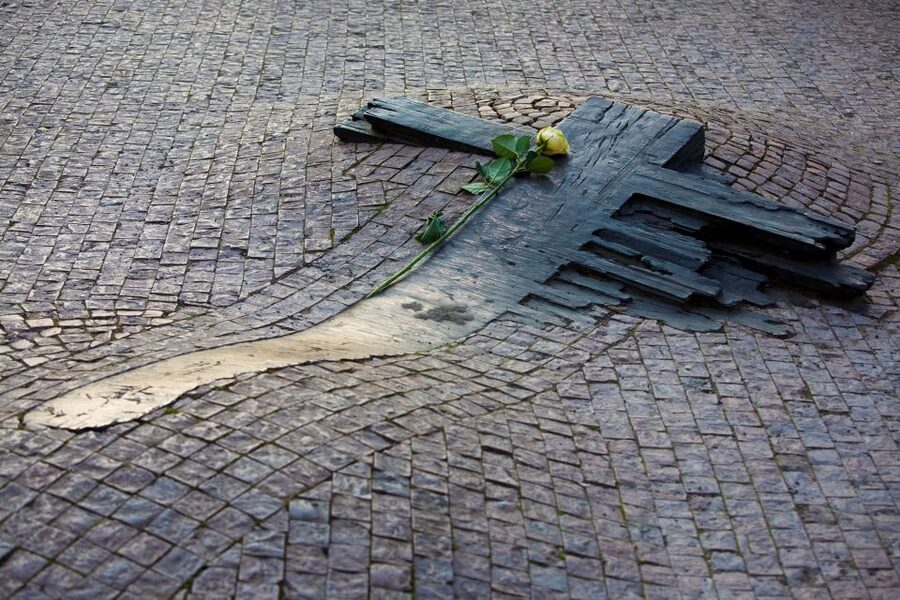
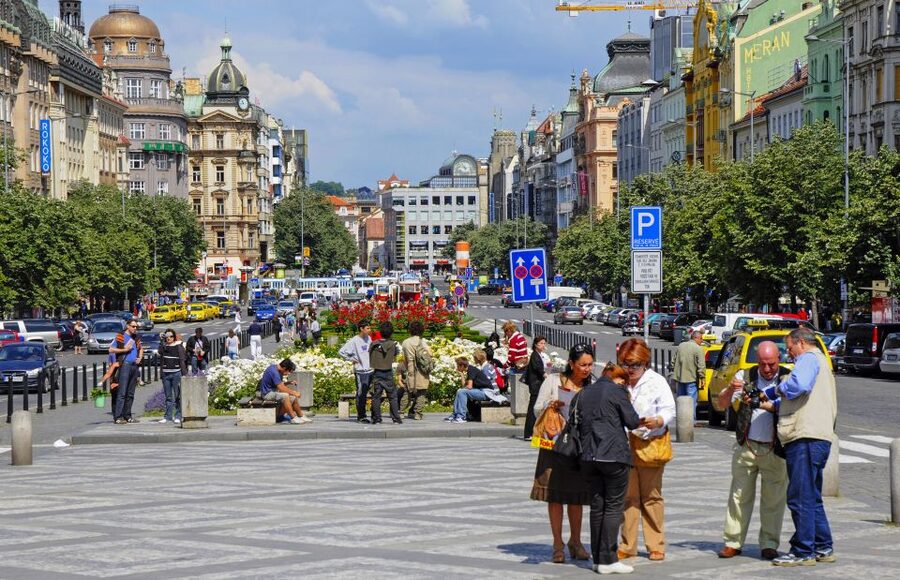
Wenceslas Square is one of the key stops. It is a long, open city space with an important role in Prague’s political life. Here, the guide places major events in a setting where public gatherings, speeches, demonstrations, and state power have all met.
The square helps explain how political change became visible. You hear about the Communist Revolution and the post-war shift toward a Soviet-backed system. The story then moves toward the Russian occupation and the years when Czechoslovakia lived behind the Iron Curtain.
This is also the place to consider how public memory works. Prague uses statues, memorials, and marked locations to remember people who resisted political control. The focus is not only on governments and armies. You hear about students, writers, dissidents, and citizens who took serious personal risks.
Jan Palach’s story is one of the most painful parts of the tour. The guide explains why the student set himself on fire in protest. The subject is handled as part of the political history of the period, but it is still difficult material. I would prepare younger members of your group for a serious discussion rather than a light sightseeing stop.
The tour also covers black-listed books and the burning of books. That detail gives you a sense of how control reached beyond elections and police. Limiting what people could read was part of controlling what they could think, discuss, and pass on.
Same country, a completely different kind of day:
- Prague: Castle Tour with Local Guide and Entry Ticket
★ 4.6 · 10,422 reviews - Prague Castle 2.5-Hour Tour Including Admission Ticket
★ 4.7 · 8,927 reviews - Prague: Oldtown, Medieval Underground & Dungeon History Tour
★ 4.2 · 8,244 reviews - Prague: Vltava River Night Cruise with Buffet
★ 4.3 · 7,338 reviews
The 30-meter Stalin statue and the Communist era
One of the tour’s most striking details is the former 30-meter-tall statue of Stalin. The monument represented the power and reach of the Communist system, and its story helps show how political art can dominate a city.
You do not see the statue today in its original form, but the guide explains where it stood and why it mattered. That can be more revealing than looking at a surviving monument. The empty space leaves room to consider how quickly official symbols can disappear when a political system changes.
The Communist section covers daily life as well as ideology. The focus includes the effect of Communist rule on Czechoslovakia and the Czech Republic, along with the experience of living under Soviet influence. Guides have also answered questions about what remains in people’s memories and how the country continues to change.
That personal and present-day angle is one of the best reasons to take a live tour. A timeline tells you when Communism ended. A conversation can help you think about how a political system leaves traces in family memory, public debate, and city life.
The tour also introduces Milada Horáková, whose opposition to Communism made her an important symbol of resistance. Her story adds a personal face to a period that can otherwise feel like a list of institutions and dates. Along with Jan Palach, she shows the different forms courage could take under pressure.
Nazi occupation and the road to World War II
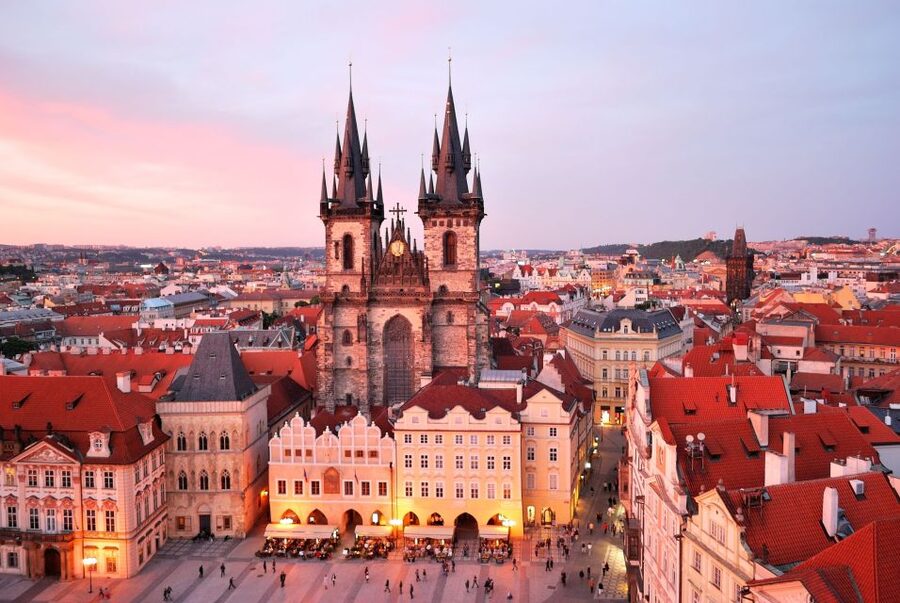
The walk also covers the years when Nazi power reached Prague. You hear about the events that led to World War II and walk through streets where the Gestapo once operated.
This section is valuable because it links Prague’s local story to the wider European crisis. The guide explains how the aftermath of World War I, political instability, and aggressive expansion helped create the conditions for another war. You also hear about Reinhard Heydrich, known as the Butcher of Prague, and the fear connected with Nazi control.
The setting can be sobering. The streets may look calm and ordinary, but the guide places occupation, intimidation, and resistance into that everyday setting. I find that approach more affecting than treating wartime history as something confined to a distant battlefield.
At the same time, keep your expectations realistic. The tour does not turn each street into a preserved wartime site. You will often be looking at the modern city while listening to what happened there. The value comes from the guide’s explanation and the links between locations.
Republic Square and the end of the walk
The route continues through Republic Square and finishes in Prague. By this point, the story has moved from the creation of Czechoslovakia through two totalitarian systems and into the Velvet Revolution.
The final section explains what led to the peaceful end of Communist rule. That ending gives the tour a sense of direction. You are not left with only a catalogue of repression and tragedy. You also see how organized public action, changing political conditions, and popular pressure brought about a new chapter.
The finish is useful for planning. Because the walk ends in central Prague, you can continue sightseeing, find a meal, or reach another part of the city without a long transfer. The exact finishing point is given as Prague, Czech Republic, so I would confirm the guide’s final location if you need to meet a train or reserve a timed entry immediately afterward.
Should you add the Museum of Communism?
You receive a 10% discount coupon for the Museum of Communism. Museum entry is included only if you choose the option that includes the ticket.
The museum can work well after the walking tour because the guide gives you a framework for understanding the displays. You will already have heard about Communist power, censorship, the Soviet occupation, and life under the regime. That makes a museum visit easier to place in context.
One caution: the film option may feel repetitive after a clear guide has already explained the subject. If you are short on time, the walking tour alone may be enough for a solid introduction. If you want more visual material and prefer to spend longer with the period, select the museum option and use the discount if the ticket is not already included.
What the $29 price really gives you
At $29 per person, this is a fair buy for a two-hour private conversation with a local guide, especially if you ask questions. You are paying for interpretation, not admission to a string of major attractions.
The value is strongest when you want to understand Prague’s modern political story in one sitting. The guide brings together events that are often scattered across different museums and memorials. You also get a practical orientation to several central areas.
The value is weaker if you want a tour built around interiors, grand architecture, or extensive sightseeing. Much of the experience happens outdoors, and some stops are meaningful mainly because of their history.
The reservation terms are flexible: you can reserve now and pay later, and cancel up to 24 hours before the tour for a full refund. Check the available start times before booking, especially if you plan to pair the walk with the Museum of Communism.
Who will enjoy this Prague history tour?
I recommend it most for adults, students, and curious first-time visitors who want a clear introduction to Czech history after World War I. It also suits anyone who feels that a Prague visit has shown them beautiful buildings but not enough about the 20th century.
You should enjoy discussion and be ready to walk for two hours. Comfortable shoes are important. The tour is not designed as a children’s entertainment activity, and one guide specifically described it as more of a knowledge-focused experience than a sightseeing outing.
It is also a good choice for repeat visitors. You may already know the Charles Bridge and Old Town, but this walk shifts your attention to National Street, Wenceslas Square, Republic Square, and the political meaning of public spaces.
The small-group experience can vary, but it may be intimate enough for plenty of questions. One departure had only two people, while other walks may include more. Either way, come ready to ask about daily life, resistance, and what changed after 1989. The guides have shown a willingness to discuss both historical events and current life in the country.
Final recommendation
Book this tour if you want Prague’s recent past explained by a person who can connect dates, places, and individual acts of courage. The stories of the Gestapo, Stalin’s statue, Jan Palach, Milada Horáková, and the Velvet Revolution give the walk real weight.
Skip it if your main goal is a fast tour of famous buildings or a light introduction suitable for young children. For everyone else, $29 is a sensible price for two focused hours and a stronger understanding of the Czech Republic’s 20th century.
FAQ
How long is the Prague Communists and World War II Tour?
The walking tour lasts two hours.
Where does the tour begin?
It begins in front of the Charles Bridge at Křižovnické Square, next to the Statue of Charles IV.
How do I find the guide?
Look for a guide holding an orange umbrella. The closest tram or subway station is Staroměstská.
Which languages are available?
The tour is offered in English, German, and Russian.
Is Museum of Communism entry included?
Museum entry is included only with the option that specifically includes the ticket. The tour also provides a 10% discount coupon for the museum.
What should I bring?
Bring comfortable shoes for the two-hour walking route.
Can I cancel the booking?
You can cancel up to 24 hours in advance for a full refund. You can also reserve now and pay later.
Just added around Prague
- WWII and Communism History in Prague’s Old Town Private Tour★ 5.0 · 4 reviews
- Prague: Historical Walking Tour with Focus on World War 2★ 4.3 · 12 reviews
- World War II 4WD Tour from Prague with Lunch★ 4.4 · 3 reviews
- Ultimate Unlimited Beer Pong with Czech Beer★ 4.6 · 5 reviews
- Walking tour of Prague in French : Nové Město★ 4.9 · 16 reviews
- Walking tour of Prague in french: Old Town & Charles Bridge★ 4.9 · 62 reviews
- Prague Sightseeing Tour with Lunch★ 5.0 · 5 reviews
- Prague: Modern Private Spa with Jacuzzi and Sauna★ 4.8 · 62 reviews
Tours, compared.
Castle Tour with Local Guide and Entry Ticket
Read our review →
Prague Castle 2.5-Hour Tour Including Admission Ticket
Read our review →
Oldtown, Medieval Underground & Dungeon History Tour
Read our review →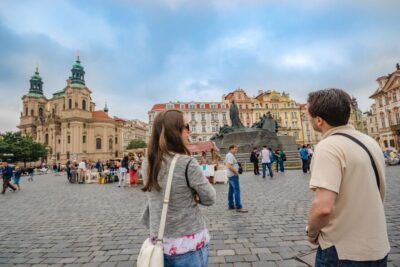
3-Hour Walking Tour of Old Town & Prague Castle
Read our review →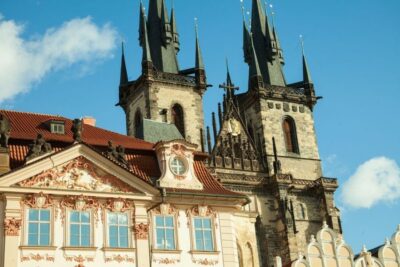
3-Hour Old Town and Prague Castle Tour in German
Read our review →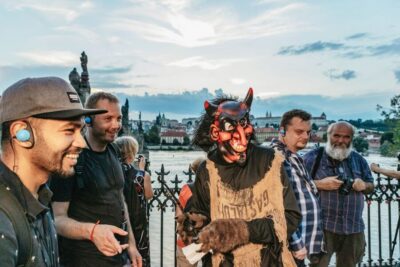
Ghost Walking Tour Where Legends Come To Life
Read our review →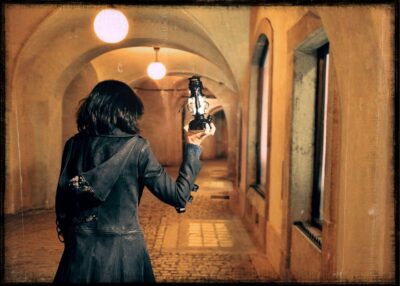
Ghosts, Legends, Medieval Underground & Dungeon Tour
Read our review →