
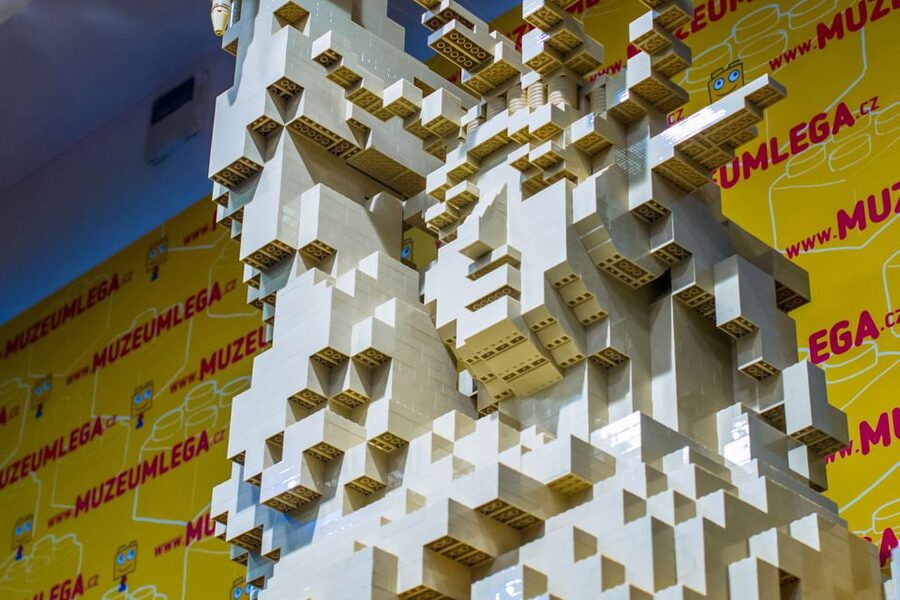
Reviewed · MUSEUMS
Prague: Museum of Bricks Entry Ticket
Prague’s Museum of Bricks packs more than 3,000 LEGO models into 20 themed areas, using over a million pieces. You’ll find castles, pirate ships, space scenes, Prague landmarks, Harry Potter displays, and Indiana Jones adventures, all tucked into a museum below a LEGO shop.
I like two things especially: the mix of old and new sets brings back strong childhood memories, and children can build for themselves in the LEGO and DUPLO play area. The museum also gives you a look at how the toy changed over the decades, rather than simply filling rooms with modern catalogue sets.
The main drawback is space. Some rooms and corridors are narrow, and the museum can feel hot and crowded at busy times. If you expect a grand, open museum, the compact layout may disappoint. If you see it as a carefully packed collection with a hands-on corner, the visit makes more sense.
Key points at a glance
- 3,000 models across 20 themed areas: The collection covers castles, pirates, space, famous characters, and Prague buildings.
- Over one million LEGO bricks: The sheer amount of brickwork is the main reason to visit.
- A hands-on building room: Children can use LEGO and DUPLO pieces, with some youngsters happily spending several hours there.
- A nostalgic look at older sets: You’ll see discontinued and childhood-era designs alongside newer models.
- A useful shop for collectors: Look for regular sets, limited editions, retired sets, minifigures, and loose LEGO pieces.
- A central rainy-day option: The museum works well as a one to two hour stop, though committed builders may stay much longer.
What the Museum of Bricks is really like
This is a private collection presented as a museum, not a large national institution with vast galleries and formal exhibition halls. The displays are arranged over 20 themed areas, and the route takes you through thousands of assembled models in a fairly compact setting.
That compactness is both the attraction and the limitation. You can see a great deal without spending half a day walking between huge rooms. At the same time, displays may sit close together, and the route is not always obvious. In crowded periods, you may need to shuffle past other people rather than pause exactly where you want.
I would plan on about one to two hours for a normal visit. Families with children who enjoy building should allow much longer, since the play area can turn a short museum stop into an afternoon activity. One child reportedly spent more than five hours creating with the available pieces, which tells you where the real time trap lies.
The attraction is best understood as a celebration of LEGO collecting and building. It is not mainly about Prague’s general history, nor is it a guided tour. You set your own pace, read the information provided, and stop wherever a particular model catches your eye.
A few more Prague trips to weigh up
- Prague: Museum of Fantastic Illusions Entry Ticket
★ 4.3 · 4,337 reviews - IAM Illusion Art Museum Entry Ticket
★ 4.2 · 1,664 reviews - Prague: Museum of Senses Admission Ticket
★ 4.0 · 1,445 reviews
Twenty themed areas, from pirate ships to distant galaxies
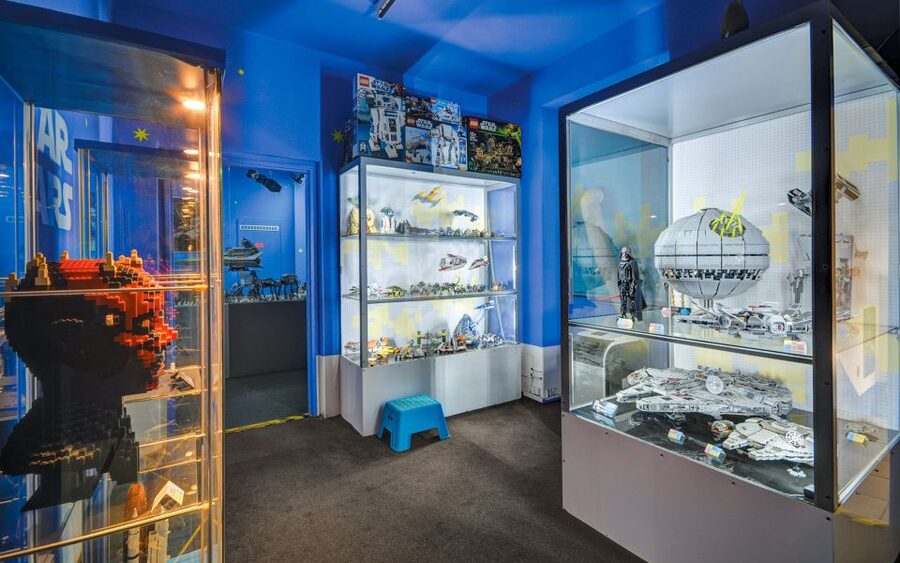
The displays move through a wide range of LEGO subjects. You can sail into pirate scenes, look at medieval knights and castles, travel into space, and visit fictional worlds linked to Harry Potter and Indiana Jones.
This variety keeps the visit moving. If one theme does not interest you, another usually appears soon after. A child may head straight for spaceships or characters, while an adult pauses over a set remembered from childhood. The collection works because it gives both age groups something to notice.
The models are not only loose displays of individual kits. The museum presents large scenes made from a huge number of bricks, so you get a sense of how small pieces become buildings, vehicles, figures, and complete settings. Some displays include lighting or moving parts, adding a little life to what might otherwise be a row of static cases.
Themed areas also make the collection easier to follow. You are not simply looking at 3,000 unrelated sets in one enormous room. The pirate, castle, space, film, and city-related displays create a loose narrative and give children a reason to keep moving forward.
Still, do not expect every model to be a giant custom-built spectacle. The collection includes older and newer sets, and part of its value is seeing the range of LEGO products over time. Collectors may enjoy the ordinary sets as much as the large scenes because they show how the brand’s designs and themes have changed.
Prague landmarks built in LEGO
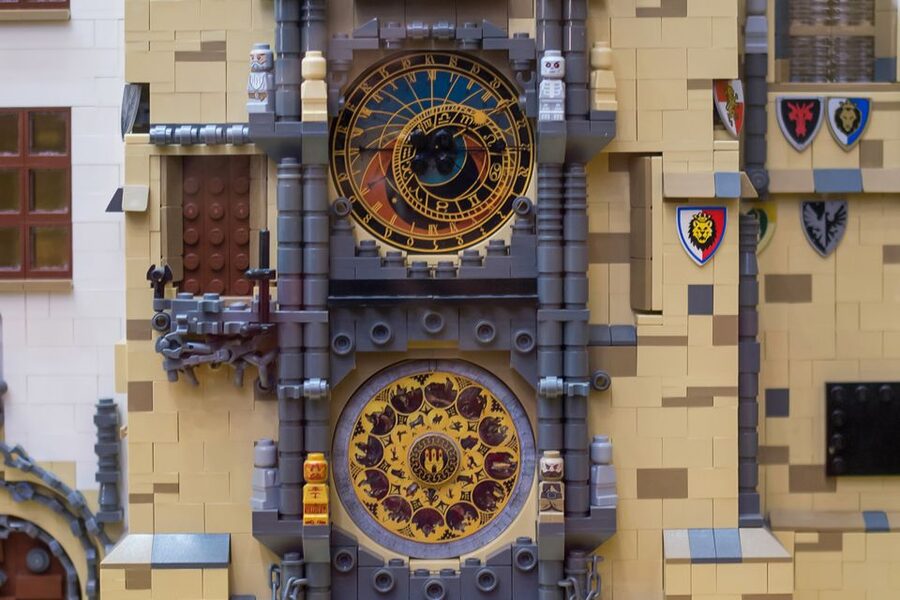
One of the more distinctive parts of the museum is its use of Prague attractions as LEGO subjects. Several models recreate local buildings and sights, giving the visit a connection to the city outside the museum.
This is helpful if you have already been walking around Prague. You may recognize a building in brick form, then notice its details in person later. It also gives children a simple way to connect the city they are visiting with the toy they already know.
The Prague models are not a replacement for seeing the real buildings. Their value is in scale, construction, and the small details that become visible when a familiar place is rebuilt from tiny pieces. They provide a local touch that a standard collection of international LEGO sets would lack.
If your family has no special interest in Prague architecture, these displays may not hold attention as long as the pirates, characters, or vehicles. For adults, though, they help make the museum feel tied to its location rather than interchangeable with any LEGO exhibition elsewhere.
The play area changes the visit for families
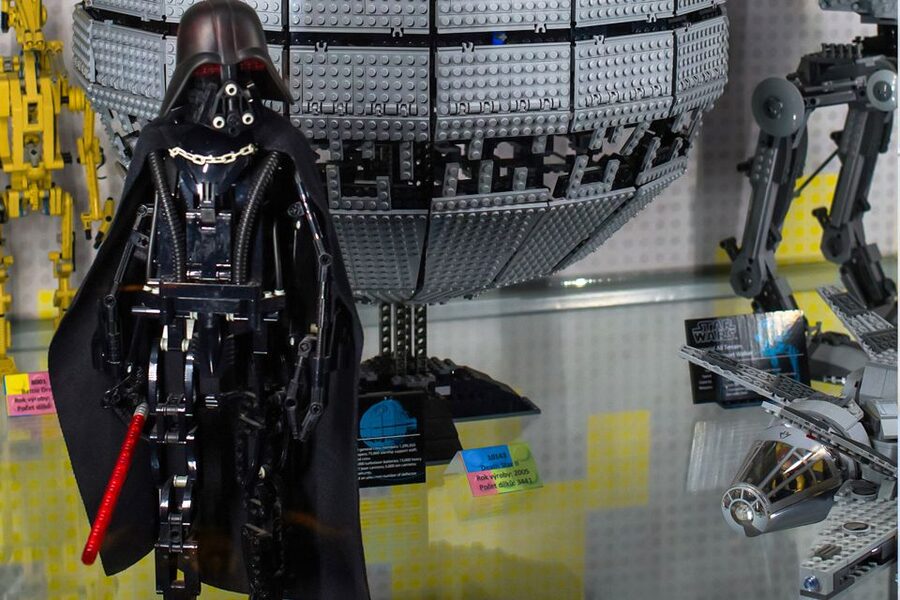
The building area is one of the most useful features for families with younger children. It includes LEGO and DUPLO pieces, along with large containers or ball-pit-style spaces where children can sit and build.
This is different from simply asking a child to look at models behind glass. Children can make their own creations, take a break from walking, and spend time with the basic building idea that made the museum possible. For a six or seven year old, this may be the highlight of the entire visit.
The play area also changes the value calculation. At $14 per person, the museum can feel expensive if everyone only walks through the displays in an hour. If your child actually builds for a long stretch, the admission becomes easier to justify because you are getting both an exhibition and an activity.
There is a tradeoff. A child focused on building may rush through the museum or lose interest in the historical displays. I would set expectations before entering: first look at the collection, then allow plenty of time for the building area. If you are visiting with several children, this order can make the day less hurried.
Same country, a completely different kind of day:
- Prague: 50-Minute Sightseeing Evening Cruise
★ 4.2 · 33,780 reviews - Prague: Medieval Dinner with Unlimited Drinks
★ 4.4 · 19,847 reviews - Prague: Skip-the-line Castle Ticket and Optional AudioGuide
★ 4.3 · 11,121 reviews - Prague: Castle Tour with Local Guide and Entry Ticket
★ 4.6 · 10,422 reviews
An easy nostalgia stop for adults
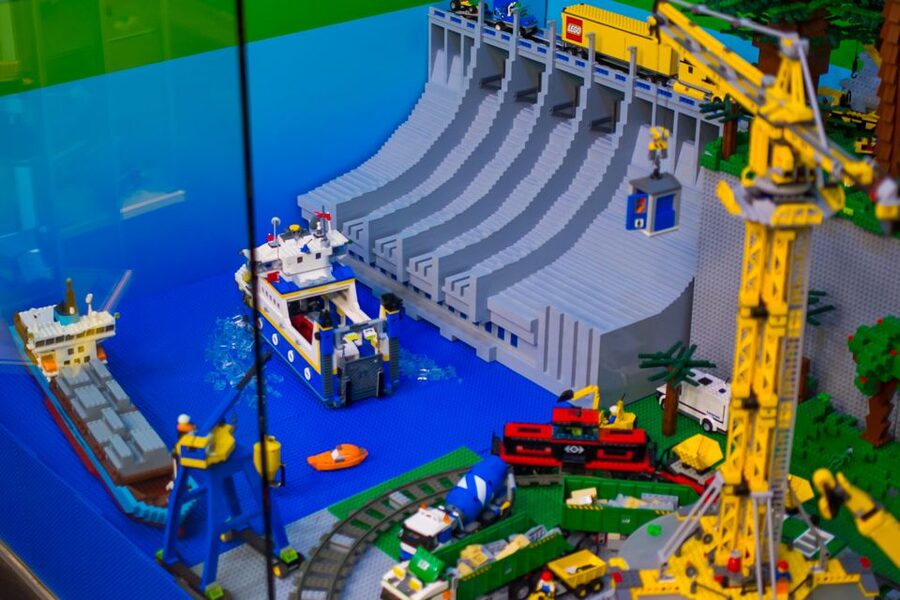
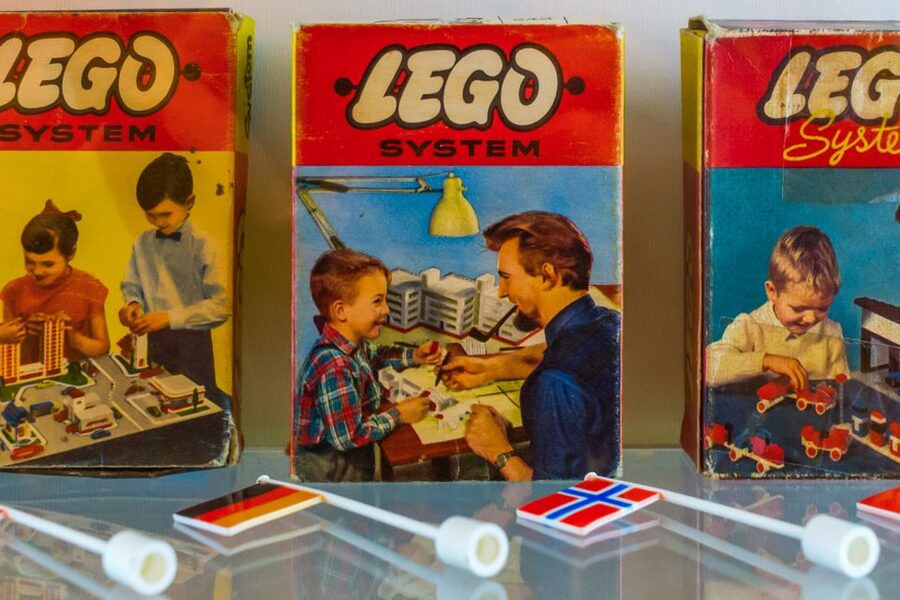
Adults often get as much from the older sets as children get from the large scenes. You may recognize designs from your own childhood, or see sets that predate the versions you remember. The display becomes a timeline of changing colors, shapes, characters, vehicles, and building methods.
That nostalgic quality is one of the museum’s strongest points. LEGO is not only a toy here. It is also a reminder of what children played with in different decades. Looking at older sets can prompt the familiar thought that a once-simple toy now comes in an astonishing number of forms.
The museum’s historical angle is practical rather than academic. You are there to see the objects, compare old and new designs, and notice how the product line developed. It is a good choice for an adult who wants an easy shared activity with a child, since you can enjoy the displays together without needing the same level of interest.
Collectors may find particular pleasure in the older and retired sets. One useful feature of the shop is its selection of discontinued minifigures and sets that are no longer produced. Availability can change, so do not treat a particular item as guaranteed, but the chance to browse retired pieces adds another reason for serious LEGO fans to visit.
The shop below the museum
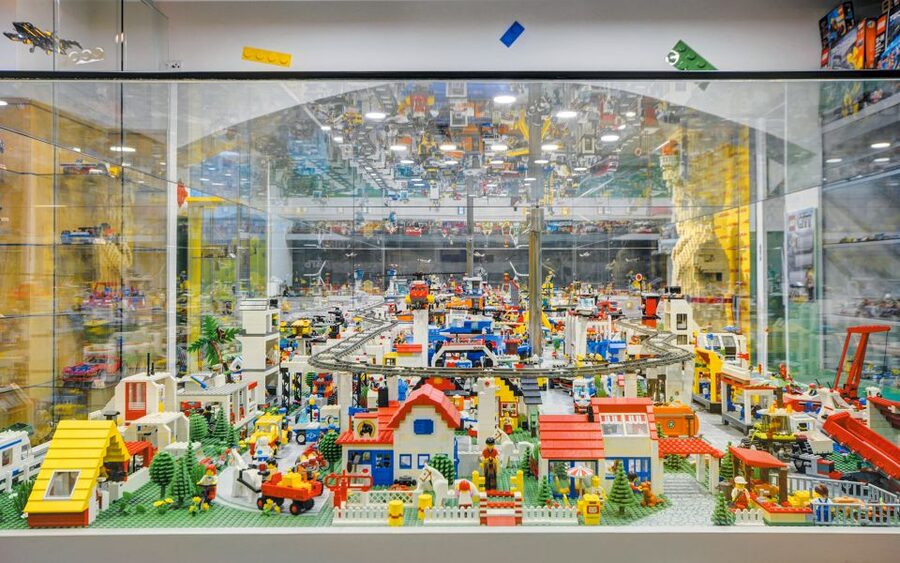
The entrance is connected with a LEGO shop, and the shop is part of the experience rather than an afterthought. You can find current catalogue sets, limited editions, discontinued sets, minifigures, and loose LEGO pieces.
For children, the shop may be the most difficult part of the visit. For adults, it can be a useful place to look for a set not easily found at home. Loose pieces are especially appealing if you build your own models or need unusual parts.
Do keep prices in mind. A purchase here is not automatically a bargain, and one parent found the sets more expensive than comparable LEGO in the United Kingdom. The shop’s appeal is its selection, including retired and exclusive items, not a promise of the lowest price.
Carry cash. Entry or shop card payments have not always worked reliably, and one visit found the shop operating cash only because the payment systems were down. This may change, but bringing cash avoids a needless problem.
The museum can also allow you to leave and return during the day, according to the practical information available for this experience. That makes a break across the street possible if children need food or adults need coffee. Confirm the re-entry arrangement when you arrive, since operating details can change.
Is $14 good value?
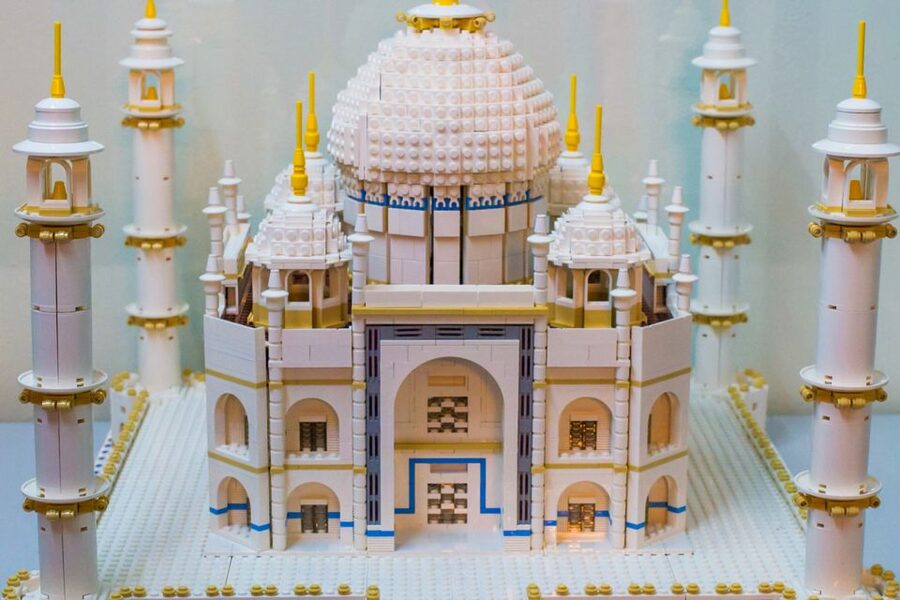
The listed price is $14 per person for one day. Whether that feels fair depends mainly on your level of LEGO interest and how long you stay.
For a devoted fan, the combination of 3,000 models, older sets, themed scenes, Prague landmarks, and the shop makes the admission reasonable. You are paying to see a large private collection that would be difficult to view elsewhere, including models made from more than one million bricks.
For a casual visitor, the value is less certain. Some people may finish the exhibition in about an hour, and the compact rooms can make the museum feel smaller than expected. If you are not interested in LEGO, the admission is harder to defend, even though the displays are visually inventive.
Families should include the play area in the calculation. A child who spends only a few minutes building may not add much value to the ticket. A child who stays for an hour or more may turn the visit into one of the more useful indoor stops in Prague.
The museum is also a practical choice on a cold or rainy day. It is close to the city center, according to the available visitor information, so you do not need to build a major transport plan around it. Think of it as a flexible stop that can fill an hour, or a longer family break if the building room captures your child’s attention.
Crowds, heat, and mobility concerns
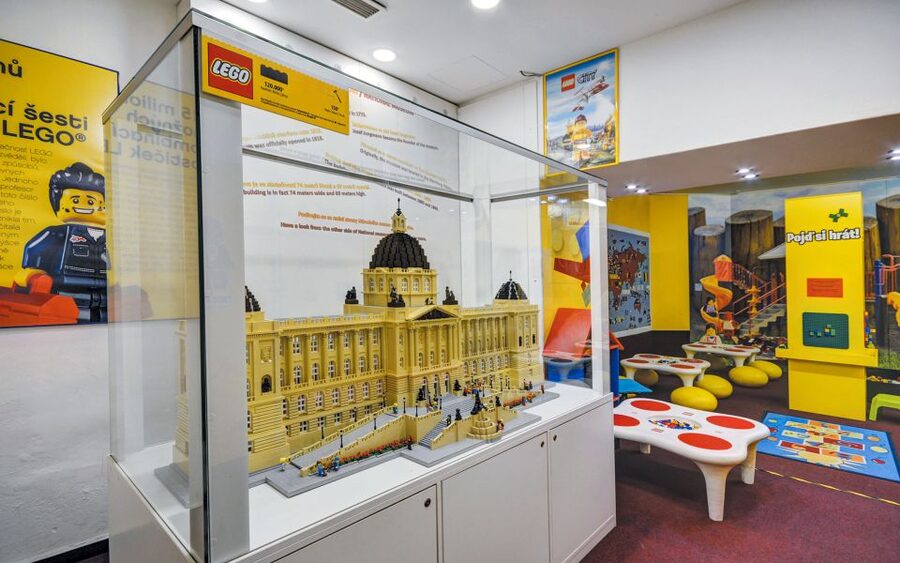
The narrow layout deserves serious attention. Some sections have small corridors and no clear one-way route, so people may pass each other awkwardly. During crowded periods, you may be pushed along before you have finished looking at a model.
The upstairs areas can also become hot and stuffy. This matters more for families with young children, anyone sensitive to heat, or visitors hoping for a calm museum atmosphere. A quieter time of day may make the collection easier to enjoy, but no starting schedule is provided here, so check availability before booking.
The activity is not suitable for people with mobility impairments. The compact arrangement, stairs or other access limits may make the visit uncomfortable or impractical. If accessibility is important for your group, contact the provider before paying rather than assuming a standard museum entrance will work.
There is no guide leading you from room to room. That gives you freedom, but it also means you need to manage your own pace and keep children close in busy spaces. The quiz and LEGO hunt, which can lead to a certificate, give children an extra reason to inspect the displays instead of racing through them.
Who should book this Prague LEGO museum ticket?

I would recommend it most strongly to LEGO fans, families with children roughly in the early school years, collectors, and adults who enjoy seeing older sets from their childhood. It is also a sensible indoor activity for a rainy afternoon near central Prague.
You should book with more caution if you want a spacious art museum, a detailed tour about Czech culture, or a quiet exhibition with plenty of room around each object. The displays are packed closely, and the museum’s strongest appeal depends on liking LEGO itself.
For families, I would allow at least two hours if the children enjoy building. For adults without children, one hour may be enough unless you want to study older sets and browse the shop carefully.
The flexible booking terms help if your Prague schedule is still moving. You can cancel up to 24 hours in advance for a full refund, and the reserve now, pay later option lets you hold a place without paying immediately. The ticket is valid for one day, with available starting times shown during booking.
Should you book the Museum of Bricks?
Book it if LEGO is already part of your family’s life, or if you want to compare the toy’s older and newer styles in one place. The Prague models, large themed scenes, retired sets, and hands-on building area give the visit more range than a simple shop display.
Skip it if nobody in your group cares about LEGO, or if $14 feels high for a compact museum visit. Also think twice if narrow corridors, crowds, heat, or mobility limits would make the visit tiring.
My practical choice would be to pair it with a central Prague walking day, especially when the weather is poor. Go in with realistic expectations, carry cash, and protect enough time for the play area. For the right family, this is less a quick look at toy boxes and more a shared trip through childhood memories, brick by brick.
FAQ
How many LEGO models are in the Museum of Bricks?
The museum contains more than 3,000 exhibits arranged across 20 themed areas.
How many LEGO bricks were used for the displays?
The exhibits were built from more than one million LEGO bricks.
How long is the ticket valid?
The entry ticket is valid for one day.
Can I cancel the booking?
Yes. You can cancel up to 24 hours in advance for a full refund.
Is the museum suitable for people with mobility impairments?
No. The activity is listed as unsuitable for people with mobility impairments.
What can I buy in the LEGO shop?
The shop sells regular catalogue sets, limited editions, discontinued sets, minifigures, and loose LEGO pieces.
Just added around Prague
- WWII and Communism History in Prague’s Old Town Private Tour★ 5.0 · 4 reviews
- Prague: Historical Walking Tour with Focus on World War 2★ 4.3 · 12 reviews
- World War II 4WD Tour from Prague with Lunch★ 4.4 · 3 reviews
- Ultimate Unlimited Beer Pong with Czech Beer★ 4.6 · 5 reviews
- Walking tour of Prague in French : Nové Město★ 4.9 · 16 reviews
- Walking tour of Prague in french: Old Town & Charles Bridge★ 4.9 · 62 reviews
- Prague Sightseeing Tour with Lunch★ 5.0 · 5 reviews
- Prague: Modern Private Spa with Jacuzzi and Sauna★ 4.8 · 62 reviews
Museums, compared.


IAM Illusion Art Museum Prague Fast Pass Ticket
Read our review →

Ticket to Audiovisual Light Art at Lumia Gallery
Read our review →
Browse the lists this tour appears in