
Reviewed · MUSEUMS
Prague: Museum of Senses Admission Ticket
Prague’s Museum of Senses turns perception into a playground. Just off Wenceslas Square, you enter through a huge green gate and move from a mirror maze to upside-down rooms, a spinning tunnel, optical tricks, and hands-on experiments. It is less a traditional museum than a compact indoor challenge built for photos and laughs.
I like the easy central location and the freedom to touch, test, and photograph the exhibits. I also like that the staff can explain how the illusions work, rather than leaving you to guess. The main catch is size: some visitors finish in 20 to 30 minutes, while a slower family visit may last an hour or two, so the $18 price feels better when you treat it as a short city-center activity.
Key points at a glance
- More than 50 interactive exhibits: Expect optical illusions, sound and touch-based displays, and rooms that play tricks on your balance and sense of direction.
- A strong rainy-day or hot-weather stop: The museum gives you an indoor break close to Wenceslas Square.
- Excellent for family photos: Marked photo spots help you line up the best shots, and Wi-Fi is included.
- The most memorable challenges: Try the mirror maze, Vortex spinning tunnel, Pin Wall, and bed of nails with more than 3,500 nails.
- Shorter than a major museum: Plan for roughly 20 minutes to an hour for many visits, with longer stays possible if you take your time.
- Best for playful minds: Children and teenagers get the most from the physical tricks, though adults can have plenty of fun too.
A giant green gate near Wenceslas Square

The Museum of Senses is at Jindřišská 20, in central Prague. That address puts it just around the corner from Wenceslas Square, so it fits neatly into a day of sightseeing, shopping, or wandering through the New Town.
You do not need to set aside an entire afternoon. The museum works well as a stop between larger sights, especially when the weather turns wet or the summer sun becomes tiring. It is also close enough to other central attractions that you can add it without building your whole day around it.
The entrance is marked by a gigantic green gate. That playful start tells you what sort of place this is. You are not entering a quiet gallery where you stand back from the art. You are entering a space where you are expected to touch things, pose, test the displays, and make a bit of a fool of yourself.
The hosts speak Czech and English. Their role matters because some exhibits are more fun once you understand the trick behind them. Staff may point out the best angle for a photograph or explain how an illusion changes your sense of size, balance, or distance.
A few more Prague trips to weigh up
- Prague: Museum of Fantastic Illusions Entry Ticket
★ 4.3 · 4,337 reviews - IAM Illusion Art Museum Entry Ticket
★ 4.2 · 1,664 reviews - IAM Illusion Art Museum Prague Fast Pass Ticket
★ 5.0 · 957 reviews
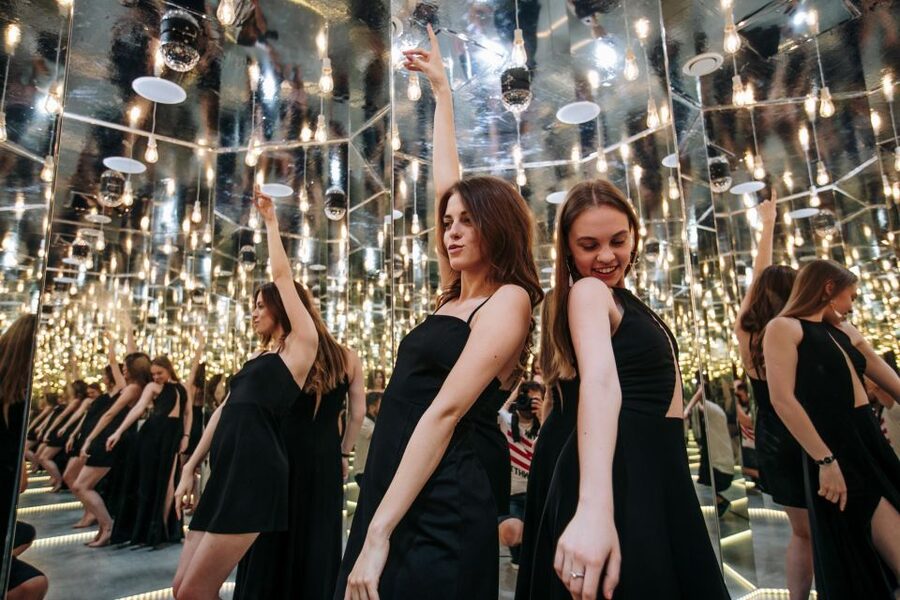
The mirror maze sets the tone
Your route begins with a mirror maze. It is a simple idea, but it quickly makes you question which opening is real and which reflection is sending you in the wrong direction.
This first section is useful because it gets you involved right away. You are not simply looking at an exhibit. You are navigating it. Families can work through the maze together, while adults without children can enjoy the same slightly silly challenge.
Take your time here. A quick walk through will show you the concept, but the fun comes from finding the right path and watching how the reflections multiply your movements. It is also one of the better places to take a group photograph, provided the space is not crowded.
Crowding can affect the experience. Some displays have a natural queue, and the museum does not always filter people into each attraction. If you arrive during a busy period, you may wait to try certain exhibits, which matters more in a small museum because there are fewer alternative rooms to visit while you wait.
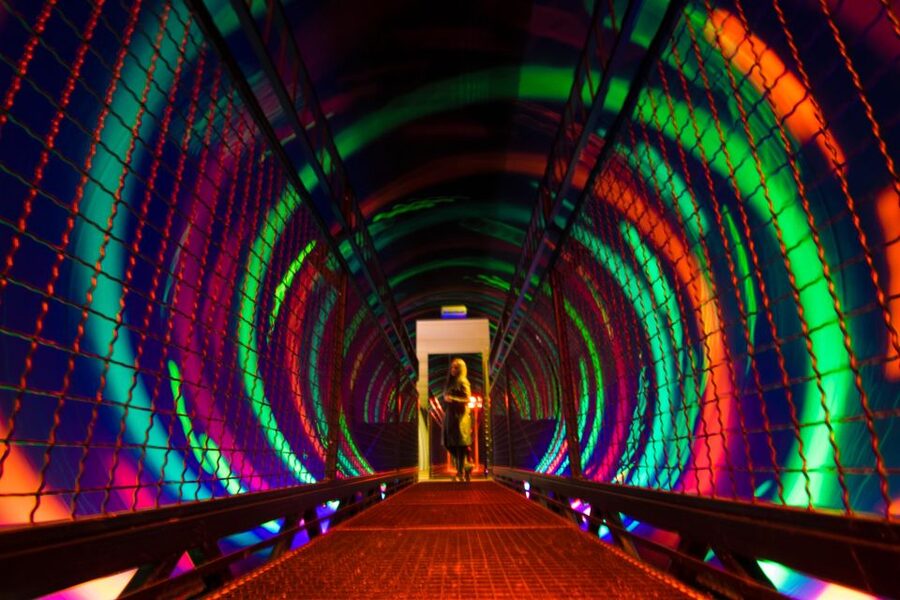
The Vortex tunnel tests your balance
The Vortex spinning tunnel is one of the museum’s more physical attractions. The tunnel rotates around you, creating the sensation that the floor or walls are moving even as you try to walk through.
This is the kind of exhibit that can produce a genuine reaction. Some people find it funny and disorienting. If you are sensitive to spinning, take it slowly and give yourself time before moving on. One visitor described some of the illusions as realistic enough to cause queasiness, which is a useful warning rather than a criticism.
The Vortex also shows why this museum works best when you participate. You can look at an optical illusion in a book or on a screen, but walking through a moving tunnel makes the effect physical. It gives children a clear way to understand that the brain does not always report exactly what the body is experiencing.
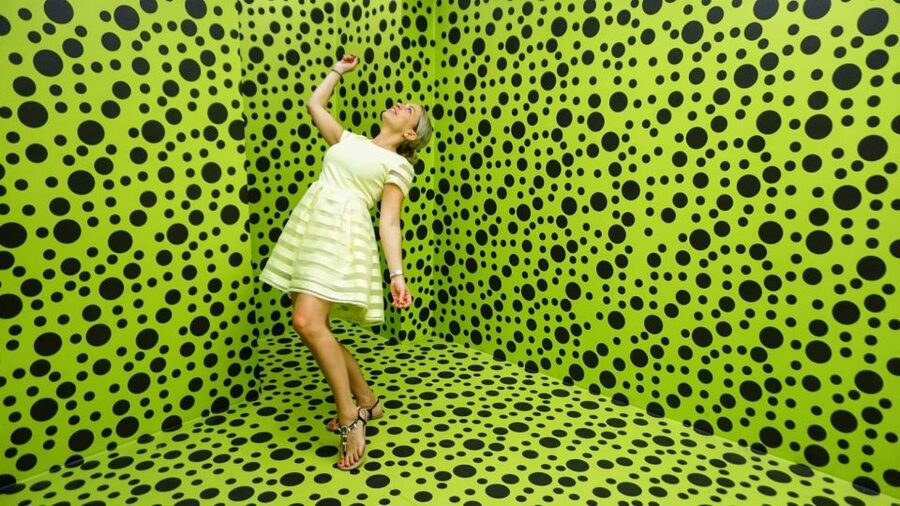
Upside-down rooms and optical tricks
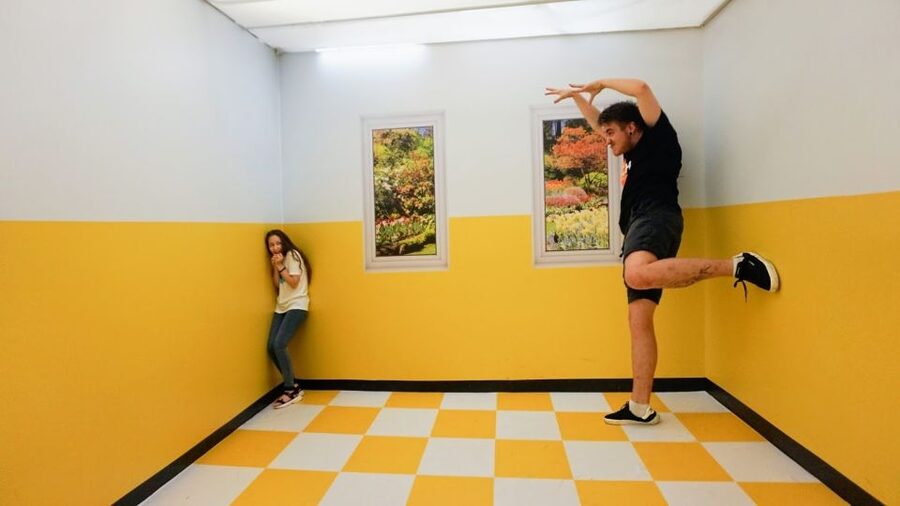
The museum includes displays that turn your view of the world upside down. Rooms and staged scenes play with scale, perspective, and orientation, giving you photographs that make ordinary actions look impossible.
These exhibits are built around posing. You may appear to be standing on a ceiling or leaning at an impossible angle. The best pictures usually require two people, with one person taking the photograph while the other holds the pose.
Several points around the museum show you where to stand for the strongest image. That is a practical touch. You do not have to guess where the camera should go, and it helps families get a usable photograph instead of a crooked shot with someone cut out of the frame.
Bring a charged smartphone or camera. You are encouraged to take pictures and broadcast live video to family and friends, and Wi-Fi is included. There may not always be someone available to photograph you, especially when only one staff member is working at the entrance, so a phone with a timer or a companion who is happy to take pictures will help.
Same country, a completely different kind of day:
- Prague: 50-Minute Sightseeing Evening Cruise
★ 4.2 · 33,780 reviews - Prague: Medieval Dinner with Unlimited Drinks
★ 4.4 · 19,847 reviews - Prague: Skip-the-line Castle Ticket and Optional AudioGuide
★ 4.3 · 11,121 reviews - Prague: Castle Tour with Local Guide and Entry Ticket
★ 4.6 · 10,422 reviews
Pin Wall and the 3,500-nail bed
The Pin Wall lets you press your hands, face, or another object against a field of movable pins and leave an outline behind. It is quick, tactile, and easy for younger children to understand.
The bed of nails is the museum’s most attention-grabbing challenge. More than 3,500 nails create a surface that looks painful, yet the display is designed to let you lie across it. The sight of the nails is often more intimidating than the actual activity, which is part of the point.
This exhibit is a good example of the museum’s simple teaching method. It takes a familiar fear and shows how pressure and weight can work differently from what you expect. You do not need a science lecture to remember it. The physical sensation does the work.
Use ordinary judgment with any exhibit that involves balance, spinning, or lying down. The activity is not a good match for everyone, and the museum is not wheelchair accessible. If you have limited mobility, ask the staff what you can comfortably reach before paying for entry.
More than 50 exhibits, but not a full-day museum
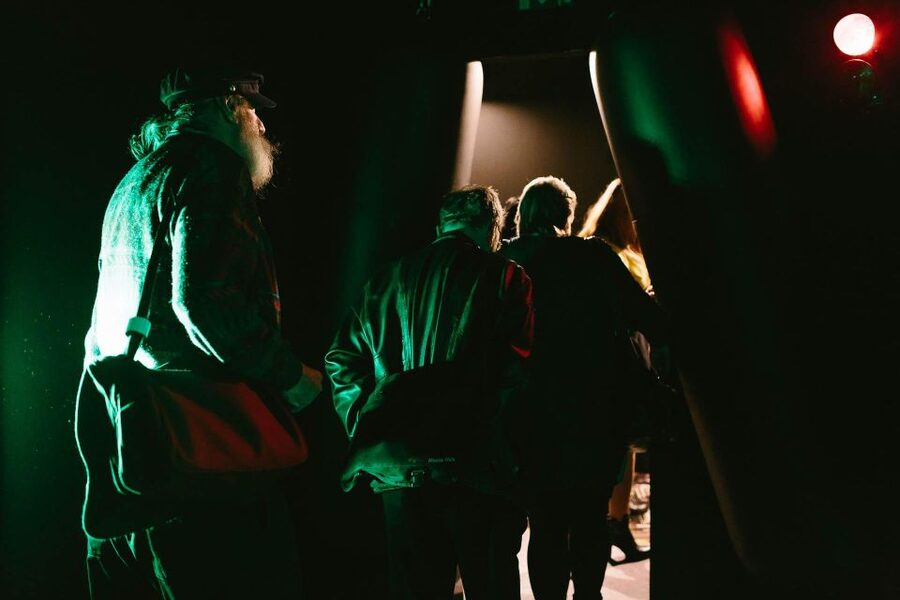
The museum advertises more than 50 exhibits, but the overall site is compact. That distinction is important when you compare the $18 admission with the cost of a larger Prague museum.
If you move quickly, you might complete the main displays in about 20 to 30 minutes. If you stop for photographs, read the instructions, repeat the experiments, and wait for popular attractions, an hour is more realistic. A family with children may spend longer, particularly if everyone wants a turn at each hands-on station.
The one-day validity means you can enter during the stated operating period on the day you activate your ticket. It does not turn the museum into a full-day attraction. Think of it as a short, self-guided experience that fills a gap in your schedule.
I would not book this as the only planned activity for an afternoon. I would pair it with Wenceslas Square, nearby shopping, a café break, or another central sight. That approach makes the short duration feel like an advantage instead of a disappointment.
Why families tend to get the most from it
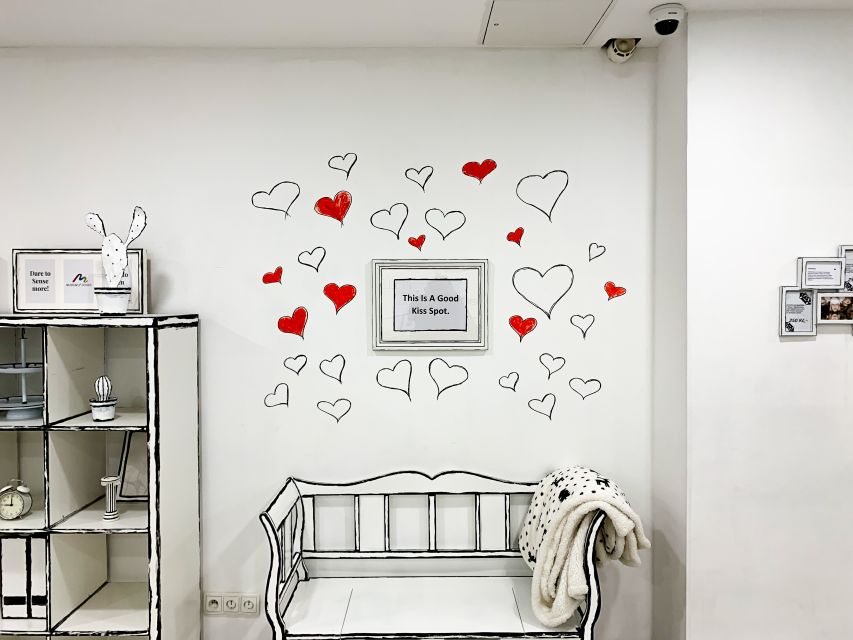
Children and teenagers are the natural audience. The museum gives them permission to touch the displays, move around, try strange positions, and ask why their eyes or balance are being fooled.
A family with children aged 12 and 14 found something for everyone, and that age range makes sense. Younger children can enjoy the basic visual tricks, while older children may take more interest in how the illusions work. Adults who enjoy unusual photographs or playful experiments will not be left out.
The museum also works for school and college groups. A group of eight students found enough variety for everyone to take part, and the exhibits offer a break from more serious sightseeing. For adults, the appeal is partly nostalgia: you get to act like a child for half an hour without needing a complicated explanation.
It is less suited to someone seeking Prague’s art, history, or architecture. The displays are about perception, not Czech culture. If you have already visited another optical-illusion attraction, some ideas may feel familiar, and visiting both can reduce the value of the second ticket.
The staff make a difference
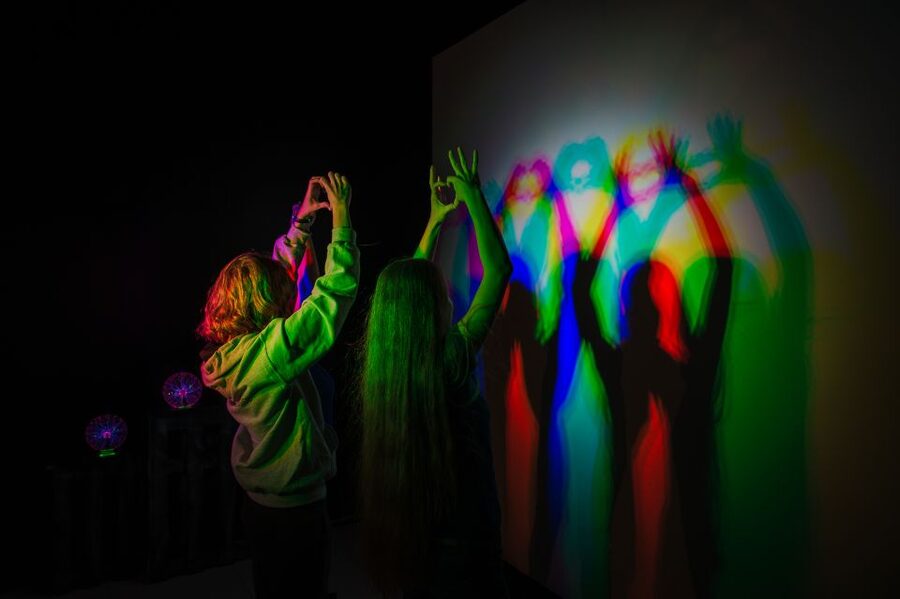
The staff are one of the museum’s strongest features. They are described as friendly, welcoming, and willing to explain the illusions. They may also point out where to stand for photographs and help you get the intended effect from an exhibit.
That guidance matters in a small interactive museum. If you are left alone with an optical trick, you may understand only half of what it is showing. A short explanation can turn a funny picture into a lesson about perspective, reflection, or balance.
Service can vary with staffing. At times, one person may be stationed at the door, leaving no dedicated photographer inside. You should be ready to take your own pictures, even though staff may help when they are free.
The hosts also speak English, which makes the displays easy to use for international visitors. You do not need a guided tour, but having someone nearby who can explain the instructions is useful for families and groups.
Is $18 good value?
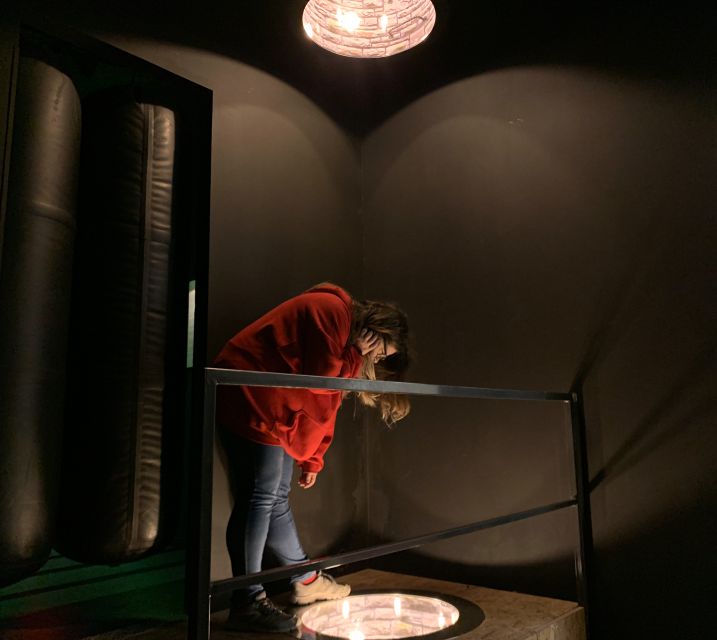
At $18 per person, the ticket is reasonable if you want a fun, central activity and will stay long enough to use the displays. It is particularly easy to justify for a family looking for something indoors, since the museum suits adults and children and does not require a full day of planning.
The value is weaker if you judge admission by time alone. Finishing in 20 or 30 minutes makes the price feel high, especially for adults who take only a few photographs and move on. The museum is small, and several people felt that the number of exhibits did not match the impression created by the advertising.
Your pace makes a real difference. Read the instructions, repeat the attractions with different people, and take time to frame the photographs. If you treat it as a quick tick on a sightseeing list, you may feel rushed and underwhelmed. If you treat it as a playful break, the price is easier to accept.
The flexible booking terms also help. You can reserve and pay later, and cancellation is free up to 24 hours before the visit for a full refund. The ticket is valid for one day from first activation, so check the operating hours and remember that the last entrance is 45 minutes before closing.
When to visit and what to bring
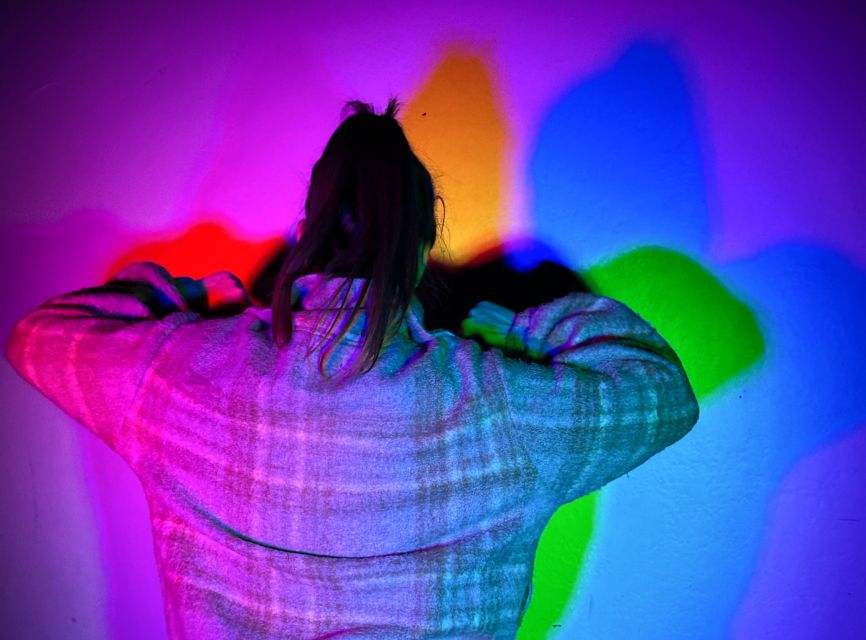
The museum is useful in poor weather, when an outdoor walking day in Prague becomes uncomfortable. It also provides a cool indoor break during hot weather. Its central position means you can add it without a long trip across the city.
Arrive with a charged smartphone or camera. You will get more from the visit if you can record the odd angles, mirror effects, and upside-down scenes. Wi-Fi is included, which makes it easier to share images or live video.
Smoking, food, and drinks are not allowed inside. Wear something that lets you move comfortably, since several displays involve walking, turning, posing, or lying down.
Check the closing time before you go. The final admission is 45 minutes before closing, and a late arrival can leave too little time to enjoy the exhibits. A morning visit may also help you avoid lines at the most popular attractions, though no fixed crowd pattern is provided.
Who should book this Prague experience?
I would recommend it to families, couples who like playful photographs, teenagers, school groups, and anyone who wants a change from churches, galleries, and historic streets. It is also a good choice when rain or heat interrupts your outdoor plans.
I would be more cautious if you use a wheelchair, dislike spinning attractions, or expect a large museum with hours of content. It is not wheelchair accessible, and the short route may not justify the ticket for every adult.
You should also consider what else you have planned. If you are visiting the Museum of Fantastic Illusions, doing both may feel repetitive. Choose one unless you have a particular interest in optical tricks and interactive displays.
Should you book the Museum of Senses?
Book it if you want a short, hands-on break in central Prague, especially with children or a camera-ready group. The mirror maze, Vortex tunnel, Pin Wall, and nail bed provide enough variety for a good laugh, and the helpful English-speaking staff improve the visit.
Skip it if you want a long cultural attraction or if $18 feels high for less than an hour. The best strategy is to place it between larger sights near Wenceslas Square, arrive with a charged phone, and allow extra time for photos. Used that way, the Museum of Senses is a cheerful change of pace rather than a major museum visit.
FAQ
Where is Prague’s Museum of Senses located?
The museum is at Jindřišská 20, 110 00 Prague, just around the corner from Wenceslas Square in the city center.
How long does a visit usually take?
The ticket is valid for one day from first activation, but the visit itself is usually much shorter. Depending on your pace, photographs, and queues, you might finish in about 20 minutes to an hour, while families who interact with every display may stay for one or two hours.
How many exhibits are inside?
The museum has more than 50 exhibits for children and adults.
Is the Museum of Senses suitable for children?
Yes. The interactive displays are designed for children and adults, and the physical illusions, photo spots, and hands-on activities are especially appealing to families.
Can I take photographs inside?
Yes. You are encouraged to take photographs and broadcast live videos. Bring a camera or charged smartphone, and remember that you may need to take your own pictures if staff are busy.
Is Wi-Fi included?
Yes. Wi-Fi is included with admission.
What languages are available?
The museum operates in Czech and English. The host or greeter speaks Czech and English.
Is the museum wheelchair accessible?
No. The museum is not wheelchair accessible.
What is the cancellation policy?
You can cancel up to 24 hours in advance for a full refund. You can also reserve now and pay later, keeping your plans flexible.
Just added around Prague
- WWII and Communism History in Prague’s Old Town Private Tour★ 5.0 · 4 reviews
- Prague: Historical Walking Tour with Focus on World War 2★ 4.3 · 12 reviews
- World War II 4WD Tour from Prague with Lunch★ 4.4 · 3 reviews
- Ultimate Unlimited Beer Pong with Czech Beer★ 4.6 · 5 reviews
- Walking tour of Prague in French : Nové Město★ 4.9 · 16 reviews
- Walking tour of Prague in french: Old Town & Charles Bridge★ 4.9 · 62 reviews
- Prague Sightseeing Tour with Lunch★ 5.0 · 5 reviews
- Prague: Modern Private Spa with Jacuzzi and Sauna★ 4.8 · 62 reviews
Museums, compared.
IAM Illusion Art Museum Prague Fast Pass Ticket
Read our review →
Ticket to Audiovisual Light Art at Lumia Gallery
Read our review →
Browse the lists this tour appears in