
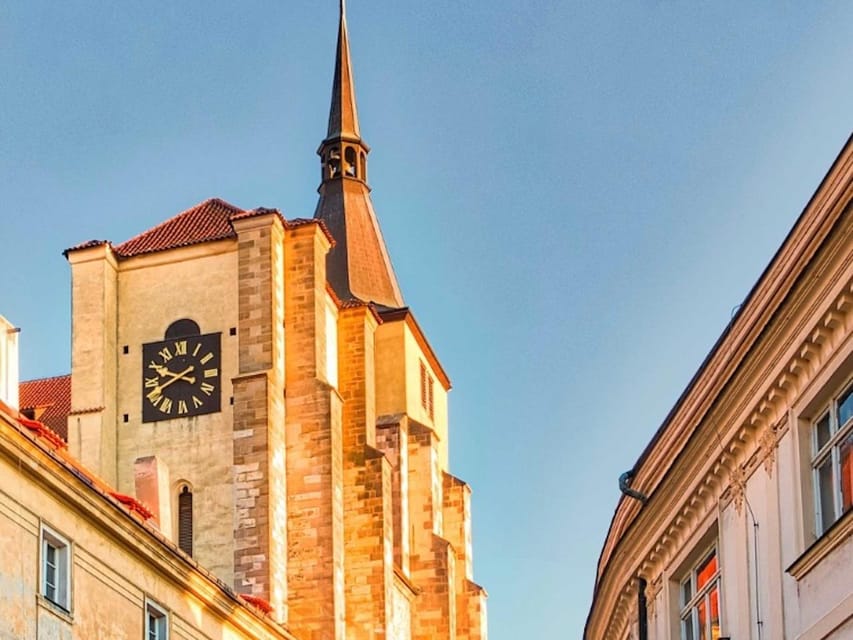
Reviewed · PRAGUE CLASSICAL CONCERTS
Prague: Classical Concert at St. Giles’ Church
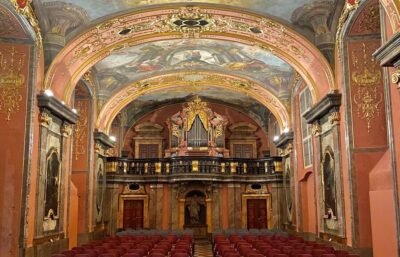
The best part of this concert is the setting. St. Giles Church puts you beneath soaring Baroque decoration and into acoustics that let strings, organ, and soprano fill the room without the usual concert-hall polish. You get music and architecture in one neat Old Prague stop.
I like the $31 price, which is modest for a professional performance, and I like the 65-minute length. It fits neatly between dinner and an evening walk. The main drawback is that church pews can be hard, and one program may use shorter sections of larger works rather than complete compositions.
Key points at a glance
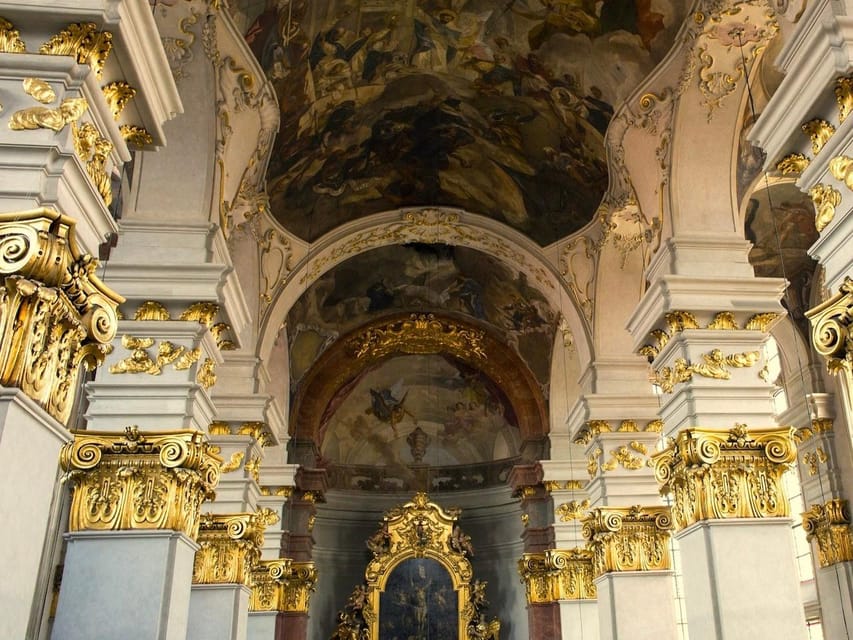
- A 14th-century church with a Baroque interior: St. Giles was consecrated in 1371 in the presence of King Charles IV and later rebuilt and decorated in changing artistic styles.
- Professional Czech musicians: The Dvořák Symphony Orchestra draws players from major Czech ensembles, including the Czech Philharmonic, FOK, and the National Theatre.
- More than a string concert: Depending on the date, you may hear strings, organ, solo violin, and soprano Vanda Šípová.
- A compact 65-minute program: The concert is easy to fit into a busy Prague day, though some programs may feel brief.
- Central Old Prague location: The church sits in the heart of the Old Town, making it simple to pair with nearby sights and dinner.
- Best for music lovers and first-time concertgoers: You do not need expert musical knowledge, and the printed program helps you follow the evening.
Why St. Giles Church makes the concert special
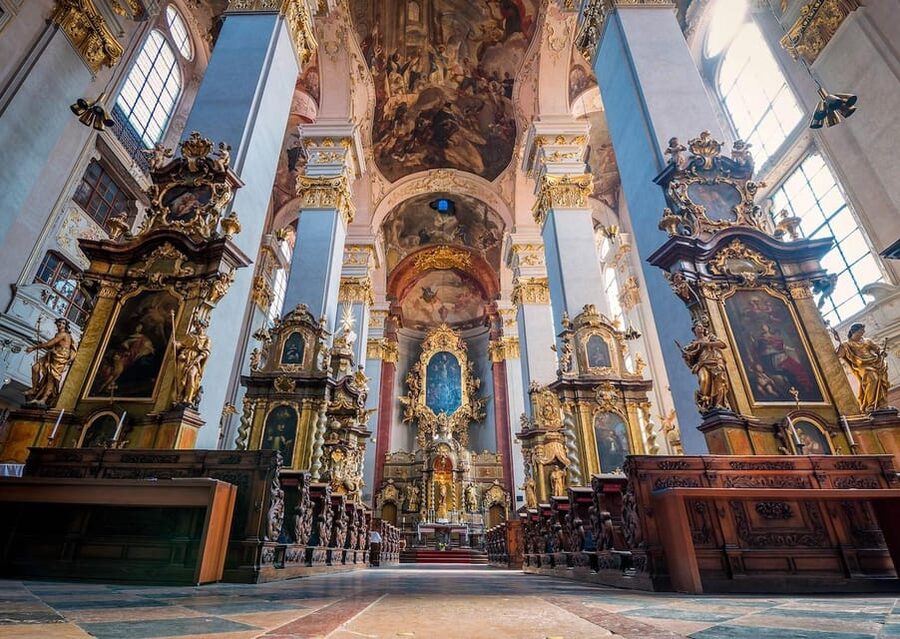
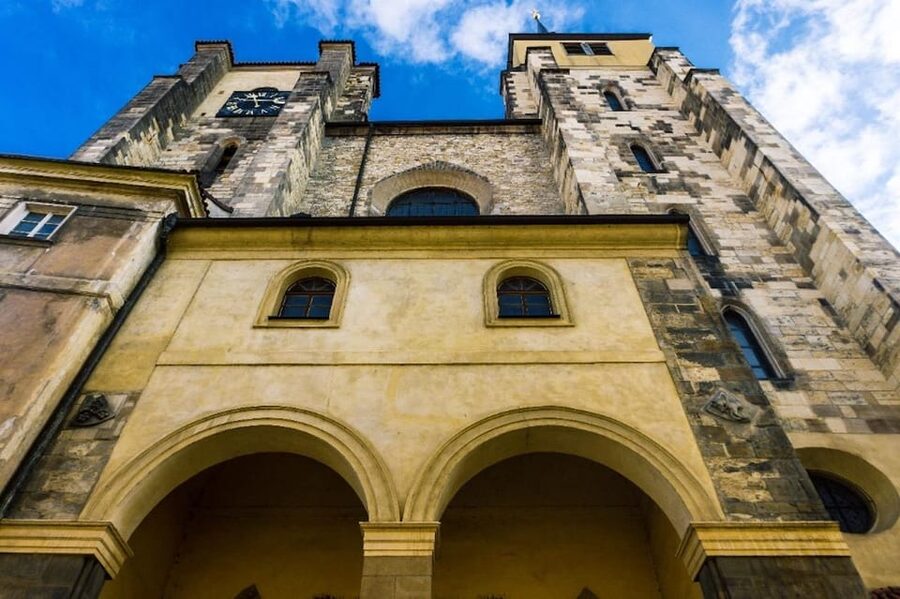
St. Giles Church began as a Gothic church in the 14th century. It was consecrated on May 4, 1371, by Archbishop Jan Oček of Vlašim, with Charles IV, Queen Elizabeth of Pomerania, and the future Wenceslas IV present. That single date gives the building real Prague weight before the first note is played.
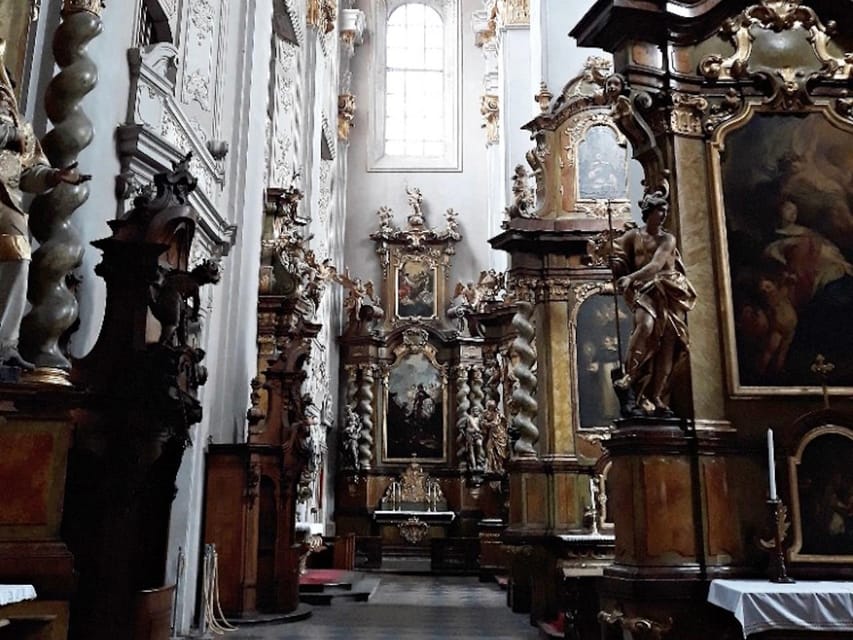
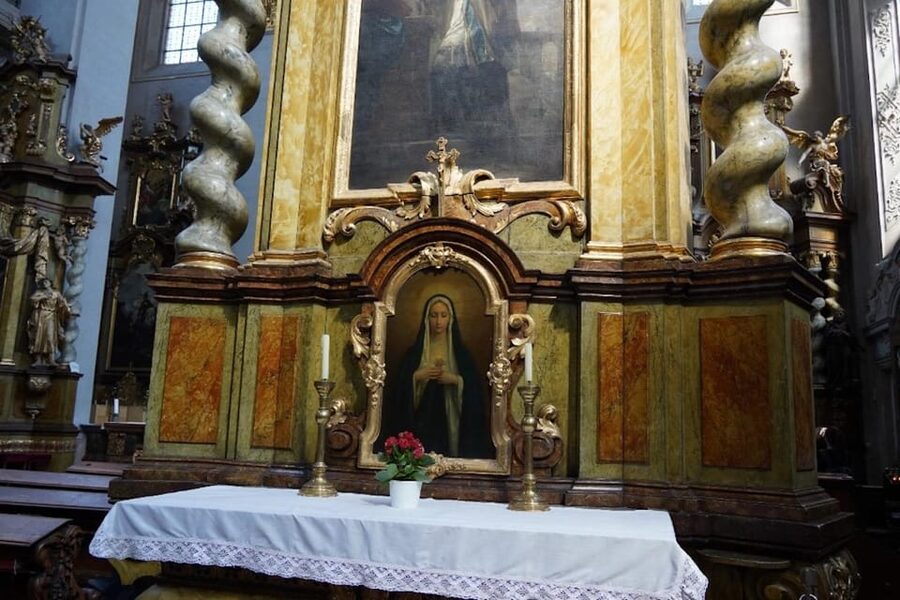
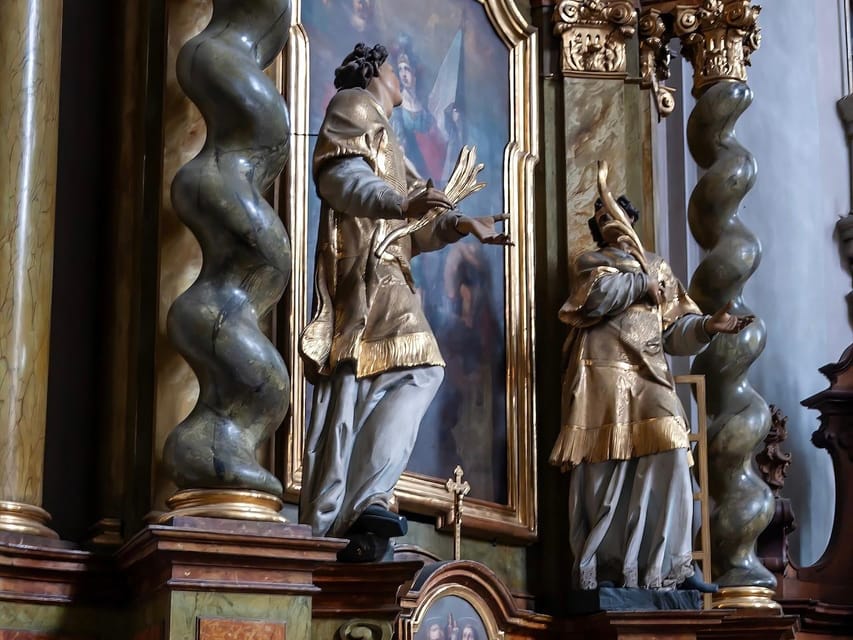
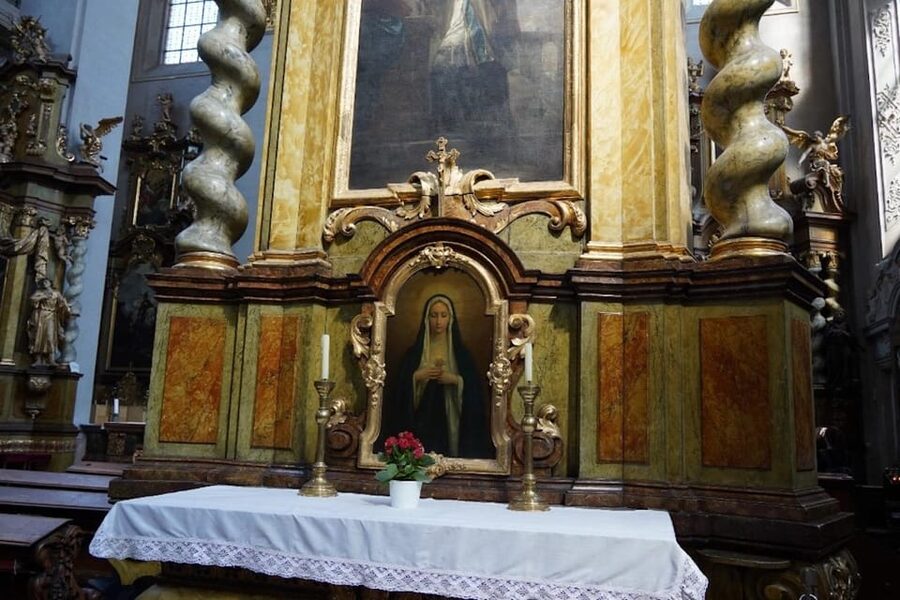
The church later changed through several reconstructions, especially during the Baroque period. What you see today is not a frozen medieval shell. It is a layered building, with Gothic beginnings and later Baroque design shaping the interior. Look up before the performance starts. The high ceiling, organ pipes, and smaller architectural details become part of the evening.
The church also has a film connection. Miloš Forman used it for scenes in Amadeus in the early 1980s. That does not turn the concert into a film tour, but it adds a nice bit of Prague trivia for anyone who enjoys seeing real historic places on screen.
The acoustics are the practical reason the church works so well. High ceilings give the sound room to carry, and the setting adds a natural echo. That can make the organ and soprano especially impressive. It can also soften very quick musical passages, so you may hear a less sharply defined sound than in a modern recital hall.
More Prague Classical Concerts in Prague:
- Prague: Entry Ticket Classical Concert at the Mirror Chapel
★ 4.7 · 4,636 reviews - Prague: A. Vivaldi Four Seasons at St. Salvator Church
★ 4.4 · 1,951 reviews - Prague: Mozart Ballroom Concert Ticket with 3-Course Dinner
★ 4.8 · 1,200 reviews
What the 65-minute program feels like
This is a short concert, not an all-night orchestral event. You sit down, receive a printed program, and spend just over an hour with a changing selection of classical music. That makes it a smart choice if you want a proper cultural evening without giving up the rest of your night.
The exact music depends on the date. Programs can include Vivaldi’s Four Seasons, Mozart, Smetana, Dvořák, T. Albinoni, Bach, and other familiar composers. Tuesday and Thursday performances are part of the regular schedule, with concerts also offered on Saturday. Sunday is associated with the Vivaldi Four Seasons program according to the schedule provided, so check the date carefully before booking.
Do not assume every evening is a full performance of one major work. A concert built around several composers may offer selected movements or shorter sections. That gives you variety, but it can also feel rushed if you prefer complete works with a slower musical arc. One program received criticism for short excerpts and quick pacing, so this is worth keeping in mind.
For many people, the variety is exactly the point. You might hear a string ensemble, an organ recital, a solo violin passage, and an opera selection in the same sitting. The change in sound keeps the hour moving and gives first-time classical concertgoers several ways into the music.
The musicians you may hear
The Dvořák Symphony Orchestra brings together experienced professional musicians connected with major Czech groups. Its players have worked with the Czech Philharmonic, the Prague Symphony Orchestra, the Prague State Opera, the National Theatre, and other respected ensembles.
That background matters because the ticket is not simply paying for a historic room. You are also hearing trained performers with substantial experience in orchestral and chamber music. The format may be intimate, but the musicianship is professional.
Some scheduled performers add a striking range of sound:
- Vanda Šípová is a soprano and a soloist of Prague’s National Theatre and State Opera. She has won international singing competitions and brings an operatic voice to selected programs.
- Aleš Bárta plays the organ. He is an internationally awarded organist, and his solo passages make the church itself feel like part of the instrument.
- Zdeněk Pechoušek is a solo violinist and member of the National Theatre Orchestra in Prague, with a focus on chamber music.
Not every date necessarily includes all three performers. The program varies, so read the schedule rather than booking only from a composer’s name. If the combination of soprano and organ is important to you, confirm that those elements appear on your chosen date.
The music: Mozart, Vivaldi, Smetana, and Dvořák
Vivaldi is likely to be the easiest entry point. The Four Seasons gives you recognizable melodies and clear changes in mood, from energetic passages to quieter, more reflective moments. A church setting suits the work’s dramatic contrasts, especially when the solo violin rises above the ensemble.
Mozart offers a different pleasure. His music rewards clean ensemble playing and careful balance, qualities that can sound bright in a resonant church. If the program includes vocal selections, Mozart also gives the soprano room to show a lighter, more agile side of her voice.
Smetana and Dvořák add a Czech note to the program. You may already know Dvořák’s melodies without realizing it, since his music often has a broad, lyrical character. Smetana connects the concert to Czech national music and gives the evening a stronger local identity than a program made only from Italian and Austrian composers.
The organ changes the scale of the experience. A string ensemble can feel close and human, while the organ opens up the full height of the church. During an organ solo, you have a good chance to study the architecture, including the pipes and the small details that are easy to miss while walking through Old Town.
The soprano provides another clear change in texture. Opera in a church is not the same as opera in a theater. You do not get sets or staging, but you do get the direct force of a trained voice carrying into the high spaces above you.
A few more Prague trips to weigh up
- Prague: Concert at Reduta Jazz Club
★ 4.5 · 2,170 reviews - Prague: Jazz Boat Cruise with Live Concert and Optional Meal
★ 4.6 · 1,682 reviews - Prague Castle: Midday Classical Concert at Lobkowicz Palace
★ 4.6 · 1,106 reviews - Prague: Classical Concert in the Spanish Synagogue
★ 4.7 · 1,104 reviews
Finding the church in central Old Prague
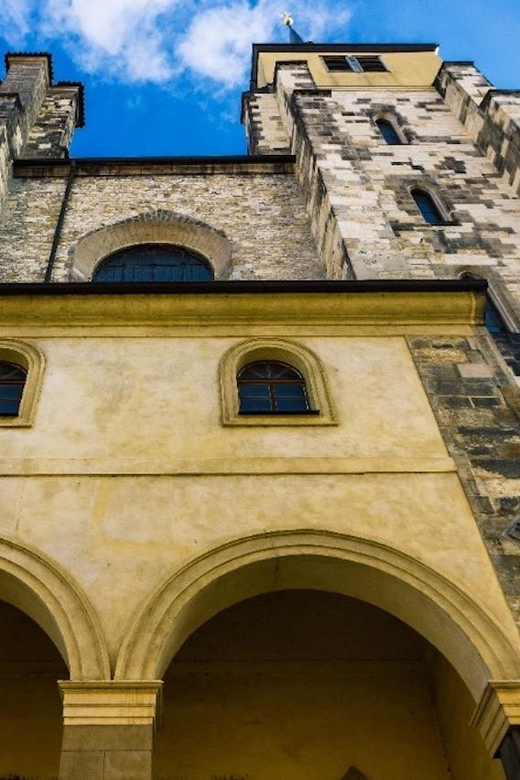
St. Giles Church is in the center of Old Prague. Its location is one of the easiest parts of the plan because you can reach it while sightseeing in the Old Town, rather than setting aside a separate trip across the city.
That central position makes the concert useful on a busy itinerary. You can place it after a day around Old Town Square and before dinner, or use it as a quiet pause after hours in the streets. One of the pleasures of the evening is the contrast: outside, central Prague can be crowded and noisy; inside, the pace changes as soon as the music begins.
The host or greeter speaks English, and the printed concert program is included. No guide is required. This is a self-contained cultural experience, which suits you if you would rather arrive, take your seat, and let the performance do the work.
Build in enough time to locate the entrance and settle before the concert begins. The provided information does not specify a required arrival time or exact seating procedure, so check your booking details for the current start time and meeting instructions.
Seating, comfort, and access
The seating is in the church, not in padded theater chairs. Several people found the pews a little uncomfortable, though the 65-minute duration made the issue manageable. If you are sensitive to hard seating, consider that before booking.
The experience is not suitable for wheelchair users. This is important to check early, since the historic church setting may not offer the access arrangements available in a modern concert venue.
The exact view depends on where you sit. A first-row seat can bring you closer to the performers, and one detailed assessment specifically recommended the first rows for the price. If seeing the violinist or soprano clearly matters to you, look for the best available forward seating when you book.
At the same time, sitting farther back can help you take in the church’s full interior and hear the room’s natural resonance. You are choosing between a closer performer view and a broader architectural experience.
Is $31 a good value?
At $31 per person, this is a good-value way to add live music to a Prague stay. The price includes the concert entry and a printed program, while the venue gives you a historic church rather than a plain event room.
The value is strongest if you already plan to be in central Prague. You do not need a separate excursion or a long evening commitment. The concert lasts 65 minutes, and the location lets you continue sightseeing or go to dinner afterward.
The price is also reasonable for the range of performers involved. A program may combine a chamber orchestra with organ and opera singing, rather than offering only one type of ensemble. That variety gives the ticket more substance than a basic background-music performance.
Still, expectations matter. This is not a full symphony concert lasting two or three hours. Programs can use shorter portions of works, and some listeners may find the pace too quick. If you want a single composition performed in full, check the program details and choose carefully.
The flexible booking terms add practical value. You can reserve now and pay later, and cancellation is available up to 24 hours before the concert for a full refund. That helps if your Prague plans are still moving around.
Who should book this concert?
I would choose this experience for you if you want a cultural evening that is easy to fit into a first visit to Prague. It works especially well for couples, solo visitors, older children who can sit quietly for an hour, and anyone curious about classical music but unwilling to commit to a long formal concert.
It is also a good choice for people who care as much about the building as the performance. The church is not a neutral backdrop. The Gothic origins, Baroque interior, organ, and high ceiling all shape what you hear and see.
You may prefer another option if you need wheelchair access, dislike pew seating, or want a full-length symphonic work. You may also want a different concert if you strongly prefer a modern auditorium with controlled acoustics and comfortable chairs.
For newcomers, the mixed program is a strength. You can sample well-known composers, hear different instruments, and decide what kind of classical music you would like to seek out next. For experienced concertgoers, the draw is the setting and the chance to hear skilled Czech musicians in an intimate church.
Practical ways to get more from the hour
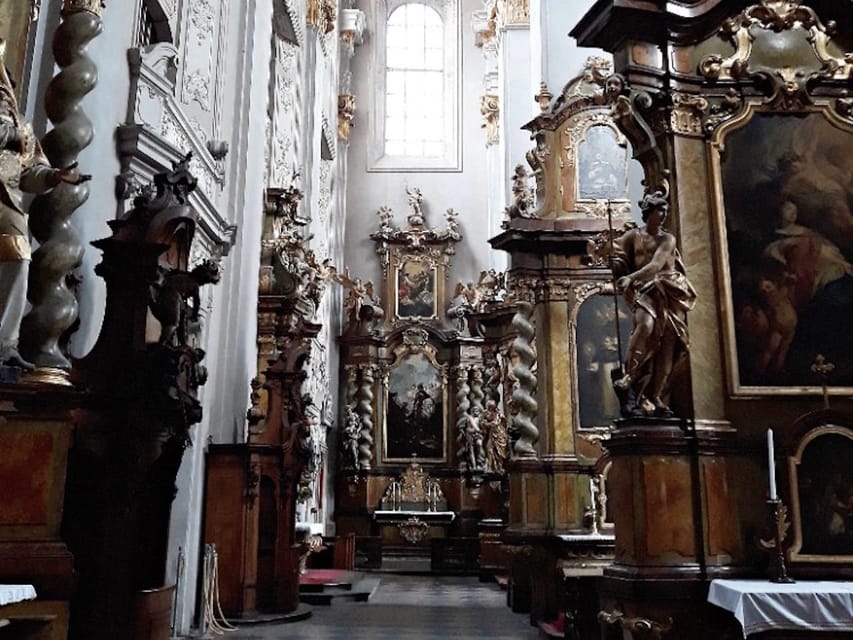
Arrive with a few minutes to look around before the performance. Once the lights are low and the music starts, you will not want to spend your time studying the ceiling. Pay attention to the organ pipes, the Baroque decoration, and the way the church’s scale changes when the performers begin.
Read the printed program, especially if the selections are unfamiliar. The music may move from Vivaldi to Mozart, then to Czech composers or vocal pieces. Knowing what comes next helps you hear the contrast rather than wondering why the sound has suddenly changed.
Keep your expectations flexible about the format. A short excerpt is not automatically a flaw. It can let you sample several composers in one evening, but it will not replace hearing a complete symphony or opera.
If you have a choice of seats, consider the first rows for a closer look at the solo violin and soprano. If the church itself is your main interest, a slightly farther position may give you a better view of the full interior.
Should you book St. Giles Church?
Book it if you want a polished, affordable concert in a memorable Old Prague setting. The combination of professional Czech musicians, strong acoustics, organ, strings, and possible soprano performances gives the 65-minute program real character.
I would be cautious only if hard pews, limited wheelchair access, or abbreviated musical selections would bother you. Check the composer and performer schedule for your date, then book the program that matches your taste. For most visitors with an evening free in the Old Town, this is an easy and worthwhile cultural addition.
FAQ
Where does the concert take place?
The concert takes place at St. Giles Church in the heart of Prague’s Old Town, in the Central Bohemian Region of the Czech Republic.
How long does the concert last?
The concert lasts 65 minutes.
How much does the experience cost?
The listed price is $31 per person.
Which composers may be included?
Programs may include Vivaldi, Mozart, Smetana, Dvořák, T. Albinoni, Bach, and other classical composers. The exact selection depends on the date.
Is Vivaldi’s Four Seasons performed?
Vivaldi’s Four Seasons is included on some dates. The provided schedule identifies Sunday concerts with Four Seasons, but you should check the program for your chosen date.
Who performs at the concert?
The Dvořák Symphony Orchestra performs the concert. Depending on the program, featured performers may include soprano Vanda Šípová, organist Aleš Bárta, and solo violinist Zdeněk Pechoušek.
Is a guide included?
No guide is required. An English-speaking host or greeter is available, and a printed concert program is included.
Is the church suitable for wheelchair users?
The experience is not suitable for wheelchair users.
Can I cancel my booking?
You can cancel up to 24 hours in advance for a full refund. Reserve now and pay later is also available.
Just added around Prague
- WWII and Communism History in Prague’s Old Town Private Tour★ 5.0 · 4 reviews
- Prague: Historical Walking Tour with Focus on World War 2★ 4.3 · 12 reviews
- World War II 4WD Tour from Prague with Lunch★ 4.4 · 3 reviews
- Ultimate Unlimited Beer Pong with Czech Beer★ 4.6 · 5 reviews
- Walking tour of Prague in French : Nové Město★ 4.9 · 16 reviews
- Walking tour of Prague in french: Old Town & Charles Bridge★ 4.9 · 62 reviews
- Prague: Modern Private Spa with Jacuzzi and Sauna★ 4.8 · 62 reviews
- Prague Sightseeing Tour with Lunch★ 5.0 · 5 reviews
Prague Classical Concerts, compared.
Entry Ticket Classical Concert at the Mirror Chapel
Read our review →
A. Vivaldi Four Seasons at St. Salvator Church
Read our review →
Mozart Ballroom Concert Ticket with 3-Course Dinner
Read our review →
Browse the lists this tour appears in