Reviewed · GUIDED
Prague: Modern Architecture and Design Guided Tour
Prague’s modern side can be easy to miss behind its famous Gothic towers and Baroque facades. This two-hour tour of 10 sites shifts your attention to socialist realism, brutalism, contemporary design, and public art that help explain how the city changed in the 20th and 21st centuries.
I like two things here: the guide points out art installations you could walk past without noticing, and the small groups can make the outing feel almost private. The main consideration is that this is not a tidy, textbook tour of Prague’s architectural styles. The stops are chosen for their stories, and some buildings may be more interesting than beautiful.
- Ten modern Prague stops: You get a focused route rather than a long, sprawling architecture lecture.
- Socialist realism and brutalism: The tour covers styles that many visitors overlook.
- Public art and installations: Expect details about artists and works that are easy to miss.
- Personal guiding style: Michael has led intimate tours and stayed available for questions afterward.
- English-language access: The live tour is conducted in English.
- Useful value at $35: The price is reasonable if you care about design, city planning, and overlooked sights.
Why Modern Prague Deserves Two Hours
Prague is often sold through its medieval lanes, castle views, and ornate old-town buildings. Those sights are worth your time, but they show only one part of the city. Modern Prague reveals how daily life, politics, artistic taste, and urban planning shifted during the last century.
I like the contrast. A Gothic church tells you about medieval faith and power. A concrete civic building, a socialist-era structure, or a strange public sculpture tells you about a different Prague, one shaped by state planning, new technology, changing ideas about public space, and the city’s search for a modern identity.
The tour gives you a way to connect those pieces. Instead of seeing isolated buildings, you hear about design principles and cultural influences behind them. That context matters because modern architecture can look plain, severe, or odd at first glance. Once you understand why a building or installation was made, it becomes easier to read.
You should also set your expectations correctly. The available description does not name the 10 points, so you cannot study a precise route in advance. The experience is built around the guide’s explanations rather than a guaranteed checklist of famous buildings.
Ten Stops, Ten Ways to Read the City
The tour promises 10 points of interest in two hours. That works out to roughly 12 minutes per stop, before walking time, so expect a brisk introduction rather than a long visit inside each building.
The value is in the connections. You are not simply looking at facades. You are learning how a city changes and how those changes appear in concrete, steel, public sculpture, street planning, and experimental design.
Here is what the main parts of the route offer.
A few more Prague trips to weigh up
- Prague: Castle Tour with Local Guide and Entry Ticket
★ 4.6 · 10,422 reviews - Prague: Klementinum Library & Astronomical Tower Guided Tour
★ 4.5 · 5,050 reviews - Prague Guided Walking Tour and Cruise with Authentic Czech Lunch
★ 5.0 · 3,627 reviews
Socialist realism and the architecture of state power
Socialist realism is one of the key subjects named for the tour. This style is useful for understanding how architecture can serve political ideas. Buildings from this tradition were not designed only to shelter offices or public services. Their scale, decoration, and message could also express the values of the state.
You may find that these structures do not have the postcard appeal of Prague’s historic center. That is part of the point. The guide can help you look past personal taste and ask what a building was intended to communicate, who used it, and how it fit into its period.
The drawback is that the tour will not please you if you want only elegant facades and famous photo stops. Socialist-era design can be imposing or plain. Its interest comes from context.
Brutalism and the appeal of raw concrete
Brutalism brings a sharper visual change. The style often uses exposed concrete, heavy forms, and strong geometric shapes. In Prague, it forms part of the city’s modern identity, even if many visitors initially find it cold or severe.
This is a good section for you if you enjoy buildings that raise questions. Why does a structure look so massive? How does it direct people through a public space? Does its plain material make it honest, or does it make the building feel unfriendly?
A guide-led visit helps because a quick look rarely tells you much. The tour’s purpose is to explain the thinking behind these places. Still, do not expect every brutalist stop to be conventionally attractive. You are paying for interpretation, not a parade of pretty views.
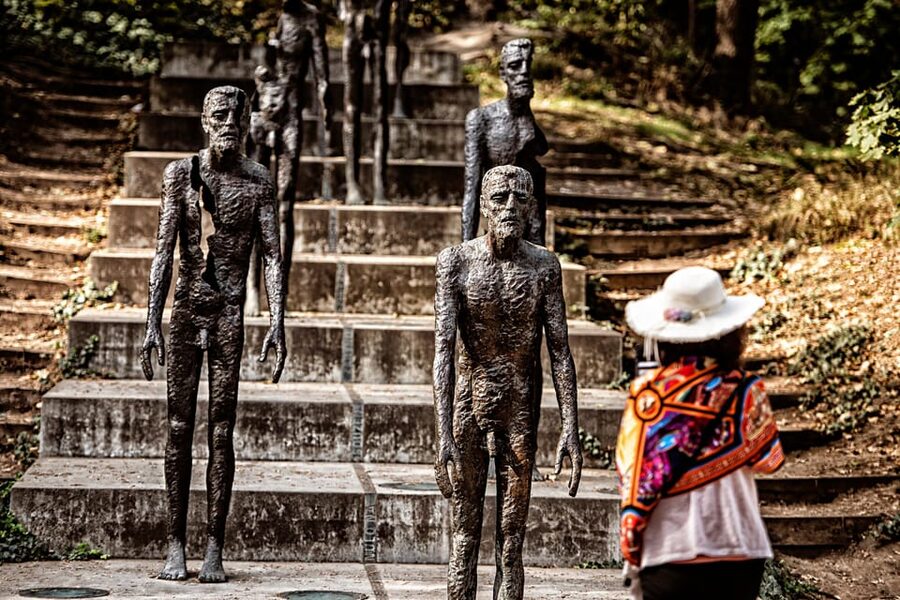
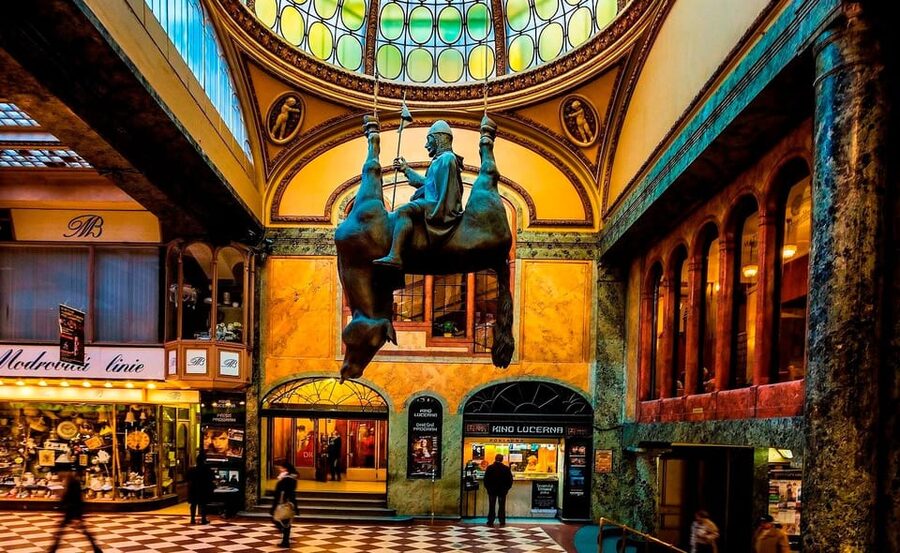
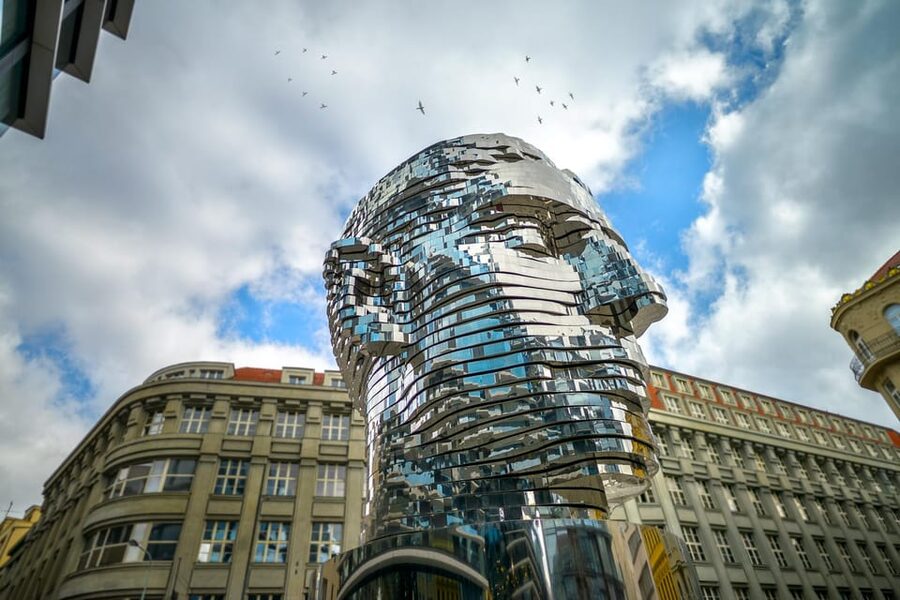
Experimental installations and public art
The most distinctive part of the experience may be its attention to installations. One recent tour participant described seeing artworks that would otherwise have gone unnoticed, along with explanations of the artists behind them.
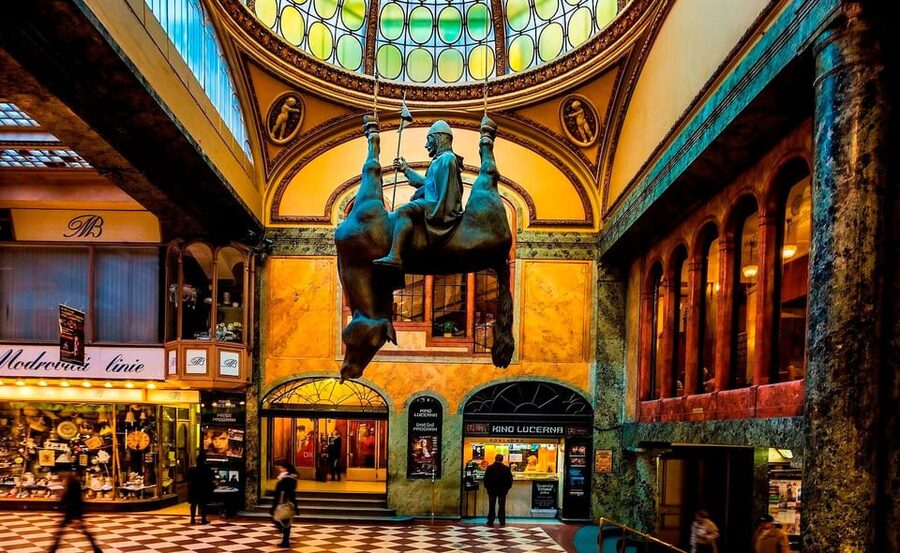
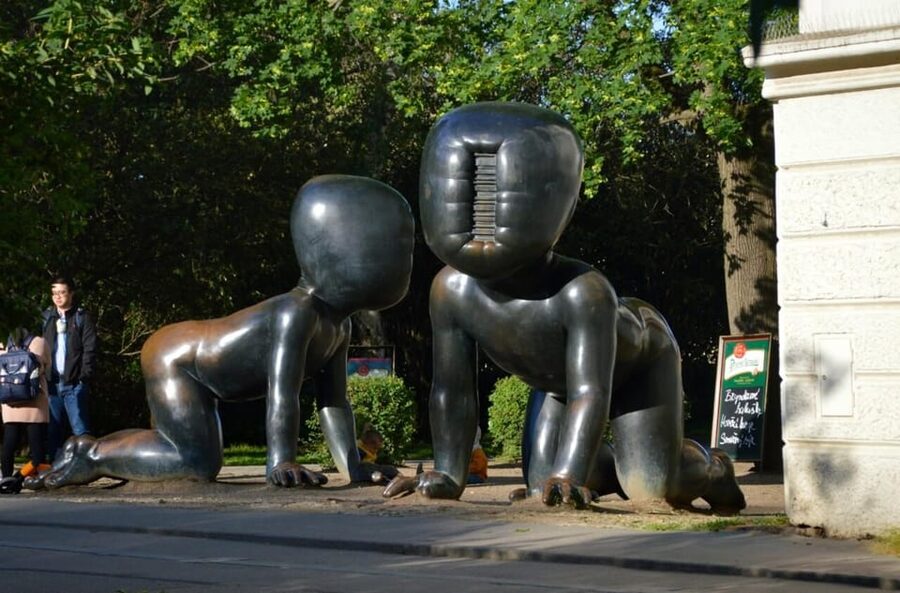
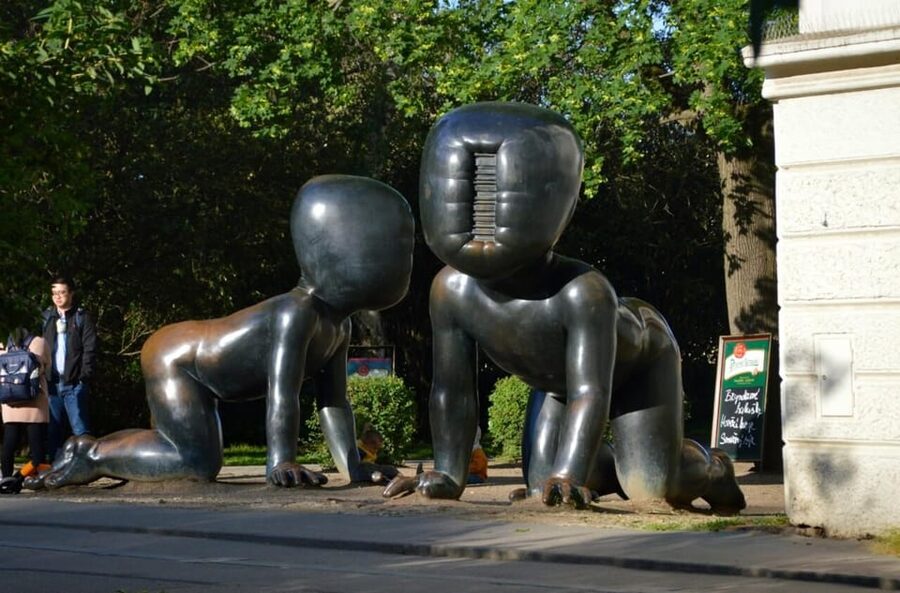
That detail tells you how to approach the outing. Keep your eyes open not just for large buildings, but also for works placed in ordinary urban settings. An installation can alter how you understand a street or square, even when it is not the main attraction.
This part should suit you especially well if you like contemporary art but do not always know where to find it. The tour adds meaning without requiring you to visit a museum. The tradeoff is that an installation may be temporary, modest, or less visually dramatic than a major monument.
Same country, a completely different kind of day:
- Prague: 50-Minute Sightseeing Evening Cruise
★ 4.2 · 33,780 reviews - Prague: Medieval Dinner with Unlimited Drinks
★ 4.4 · 19,847 reviews - Prague: Skip-the-line Castle Ticket and Optional AudioGuide
★ 4.3 · 11,121 reviews - Prague Castle 2.5-Hour Tour Including Admission Ticket
★ 4.7 · 8,927 reviews
Modern design and changing urban life
The tour also looks at how people live in a changing city. Modern architecture is not only about style. It reflects new ideas about apartments, offices, public services, movement, leisure, and shared space.
That social angle gives the tour more substance than a simple list of dates and architects. You are encouraged to think about how Prague’s residents experienced the city during the 20th century and how current design continues to shape urban life.
The description promises a look at the city’s evolution over time, including the 21st century. That broad range is useful, but it also means the treatment may be selective. In two hours, you get a clear introduction, not a complete study of Prague’s modern building history.
A Personal Guide Can Change the Experience
The guide is central to the value here. The tour is conducted in English, and Michael led at least some of the intimate departures. A small group of two people felt personal, and another departure had only one participant.
That kind of group can make a big difference. You can ask questions without holding up a crowd, and the guide has more room to explain why a building matters. One participant also found Michael friendly and available for questions after the tour, which is useful if you want to connect the architecture to the rest of your sightseeing.
A private-feeling group is not guaranteed, of course. Group size can vary, and the experience is still sold as a guided tour rather than a private booking. But the reports of very small departures suggest that you may receive more direct attention than on a large city walk.
The personal approach also explains why the route may not feel systematic. The tour can follow buildings and works with good stories, even when they are not the most beautiful examples of Prague architecture. If you prefer a chronological lesson with every major style covered in order, you may find the structure loose.
What the Two-Hour Pace Feels Like
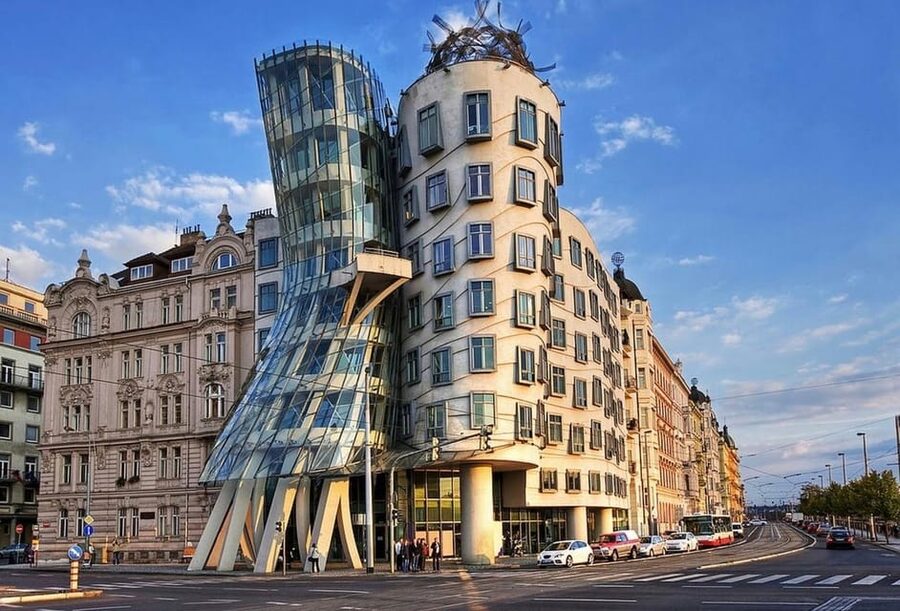
Two hours is a smart length for this subject. It is long enough to introduce several styles and artists, but short enough to fit into a busy Prague day.
You will likely spend much of the time moving between outdoor points and listening to explanations. The activity information does not promise interior visits, meals, or drinks. Plan for an architecture walk, not a seated museum tour.
The 10-stop format keeps the outing active. You get variety, and one less interesting building does not dominate the whole experience. The downside is limited depth. If a particular site grabs you, the group may need to continue before you have finished looking.
I would schedule this early in your Prague stay if modern design interests you. The guide’s city tips can help with the rest of your visit, and the tour may train your eye for buildings you would otherwise ignore. If you are visiting Prague for only one day and have never seen the classic center, you may want to handle the major historic sights first.
Is $35 a Fair Price?
At $35 per person, the price is fair for a two-hour live tour, especially if the group is small and the guide gives thoughtful explanations. You are not paying for food, drinks, museum admission, or transport. The cost covers the guide’s time and the interpretation of 10 modern sites.
That distinction matters. If you judge tours only by the number of famous attractions, this may seem less valuable than a broad city highlights walk. Modern buildings and installations do not always have the instant recognition of Prague Castle or the Charles Bridge.
If you enjoy design, the price becomes easier to justify. A good guide can help you see an entire side of the city that you might miss on your own. The experience is also relatively compact, so you are not giving up half a day.
The rating of 3.9 from 20 reviews suggests a generally positive but not flawless experience. The strongest praise centers on the guide’s explanations, personal attention, unusual installations, and extra city advice. The main reservation is expectation. Some people expect a systematic survey of Prague architecture and instead receive a personal selection of buildings with interesting stories.
Who Should Book This Tour?
I would recommend it to:
- You enjoy architecture, design, public art, or city planning.
- You want to see Prague beyond the medieval center.
- You like small-group conversations and asking questions.
- You are curious about socialist realism and brutalism.
- You appreciate unusual stops more than famous photo opportunities.
- You want an English-language activity that fits into two hours.
You may want to skip it if your main goal is classic Prague scenery. This is not a castle tour, a food tour, or a complete history walk. It also may not satisfy you if you need a clearly organized survey of architectural movements with a named building list.
For photographers, the value depends on your taste. You may find strong shapes, severe concrete, public sculpture, and unexpected details. But the route is not presented as a dedicated photography tour, and the sites are not guaranteed to be the city’s most beautiful.
The tour is wheelchair accessible, which makes it a practical choice for many visitors. You should still confirm the current route and starting conditions when booking if you need specific accessibility details, since the published information does not describe every surface or entrance.
How to Get the Most From the Walk
Go in with an open mind. Modern architecture is often more rewarding when you stop asking if you like the look of a building and start asking what problem it was meant to solve.
Listen for four things:
- Purpose: Was the site built for government, culture, housing, business, or public use?
- Material: How do concrete, glass, steel, or decoration affect the way you experience it?
- Politics: Does the structure reflect the ideas of the period when it was built?
- Public space: How does the building shape the street or the way people move through the city?
Bring questions. The small-group format may give you a chance to ask about an artist, a design choice, or a building you noticed elsewhere in Prague. Michael’s availability for questions after the walk is another useful feature when you want to continue the conversation.
Do not plan a meal as part of the activity. Food and drinks are not included, so treat the tour as a focused sightseeing block and arrange refreshments before or after it.
The flexible booking terms also reduce the risk. You can reserve now and pay later, and cancellation is free up to 24 hours in advance for a full refund. That is useful when your Prague schedule is still shifting.
Should You Book Prague’s Modern Architecture Tour?
Book it if you want a thoughtful look at the Prague most visitors overlook. At $35, two hours, and 10 stops, it offers a manageable introduction to socialist realism, brutalism, public installations, and newer ideas about city life.
The best reason to go is the guide’s interpretation. You may notice artworks and buildings that would otherwise pass without a second glance, and a small group can make the discussion personal. The extra Prague tips are a welcome bonus.
Skip it if you need a famous-sights checklist or a formal, chronological course in architectural history. This tour favors stories and selected examples over a complete survey. For the right audience, that is a strength. For everyone else, it is the one point to consider before booking.
FAQ
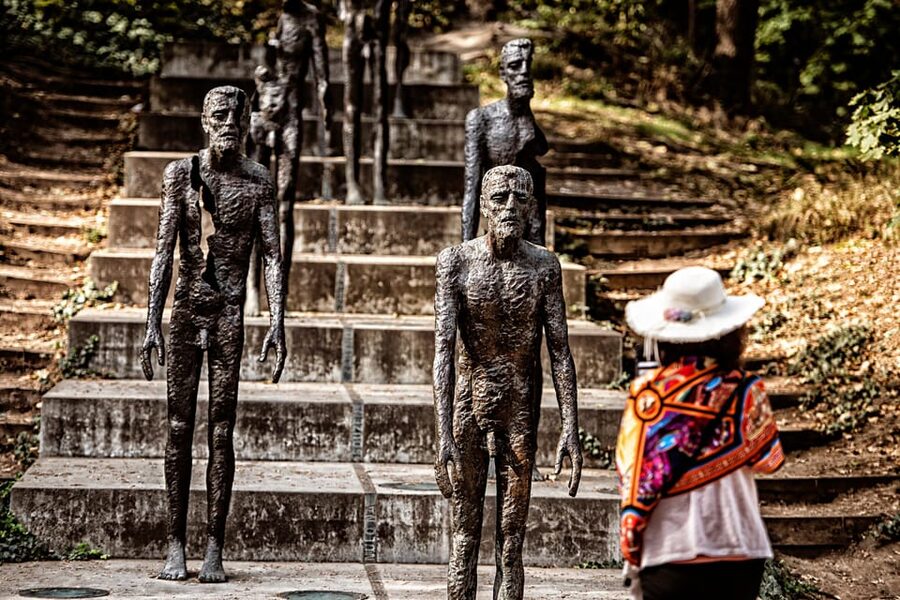
Where does the tour take place?
The experience takes place in Prague in the Central Bohemian Region of the Czech Republic.
How long is the tour?
The guided tour lasts two hours.
How many points of interest are included?
The tour visits 10 points of interest connected with Prague’s modern architecture and design.
What architectural subjects does the tour cover?
The tour covers socialist realism, brutalism, experimental installations, modern design, and the cultural influences that shaped Prague’s urban development.
Is the tour conducted in English?
Yes. The live tour guide speaks English.
Is a guide included?
Yes. A live guide is included in the activity.
Are food and drinks included?
No. Food and drinks are not included.
Is the tour wheelchair accessible?
Yes. The activity is listed as wheelchair accessible.
Can I cancel or pay later?
You can cancel up to 24 hours before the tour for a full refund. You can also reserve now and pay later.
Just added around Prague
- WWII and Communism History in Prague’s Old Town Private Tour★ 5.0 · 4 reviews
- Prague: Historical Walking Tour with Focus on World War 2★ 4.3 · 12 reviews
- World War II 4WD Tour from Prague with Lunch★ 4.4 · 3 reviews
- Ultimate Unlimited Beer Pong with Czech Beer★ 4.6 · 5 reviews
- Walking tour of Prague in French : Nové Město★ 4.9 · 16 reviews
- Walking tour of Prague in french: Old Town & Charles Bridge★ 4.9 · 62 reviews
- Prague Sightseeing Tour with Lunch★ 5.0 · 5 reviews
- Prague: Modern Private Spa with Jacuzzi and Sauna★ 4.8 · 62 reviews
Guided, compared.
Castle Tour with Local Guide and Entry Ticket
Read our review →
Klementinum Library & Astronomical Tower Guided Tour
Read our review →
Prague Guided Walking Tour and Cruise with Authentic Czech Lunch
Read our review →
Old Town and Jewish Quarter Guided Tour in German
Read our review →
Old Town and Jewish Quarter Guided Walking Tour
Read our review →
Communism History and Nuclear Bunker Guided Tour
Read our review →
Staropramem Brewery Self-Guided Tour with Tasting
Read our review →