
Reviewed · MUSEUMS
Prague: Museum of Torture Entry Ticket
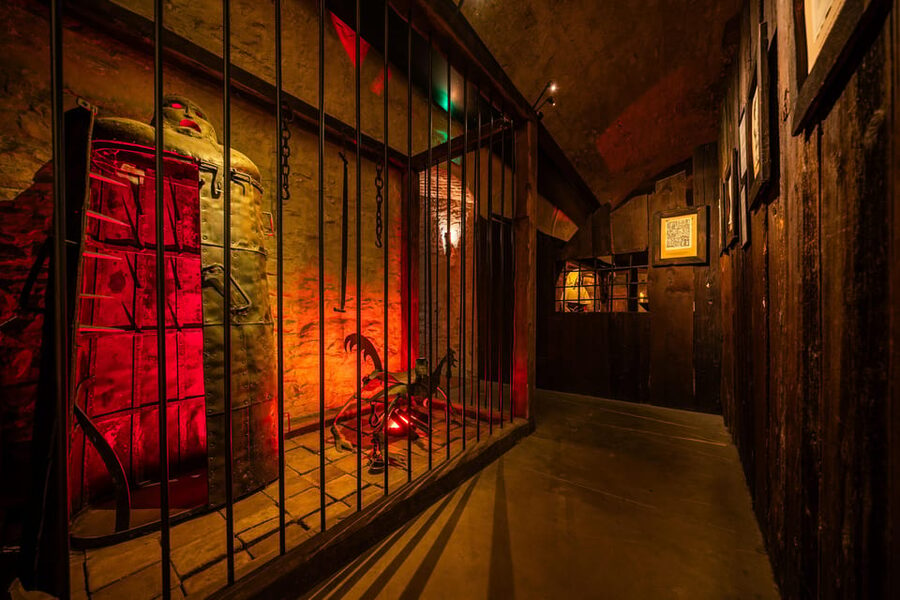
Prague’s Museum of Torture takes you below Celetná Street into reconstructed cellar rooms filled with about 100 torture instruments and dozens of old engravings. The subject is grim, but the exhibition does more than display frightening devices. It explains how torture was written into law, used in court, and tied to forced confessions and punishment.
I like the mix of physical replicas and legal documents, since the displays put the machinery into historical context. I also like the use of wax figures, sound effects, and two audiovisual scenes, which make the cellar setting feel theatrical and immediate. The main drawback is the condition of the underground rooms: poor ventilation and a reported strong mold odor in some areas may bother you, especially if you are sensitive to damp spaces.
Key points to know before you go
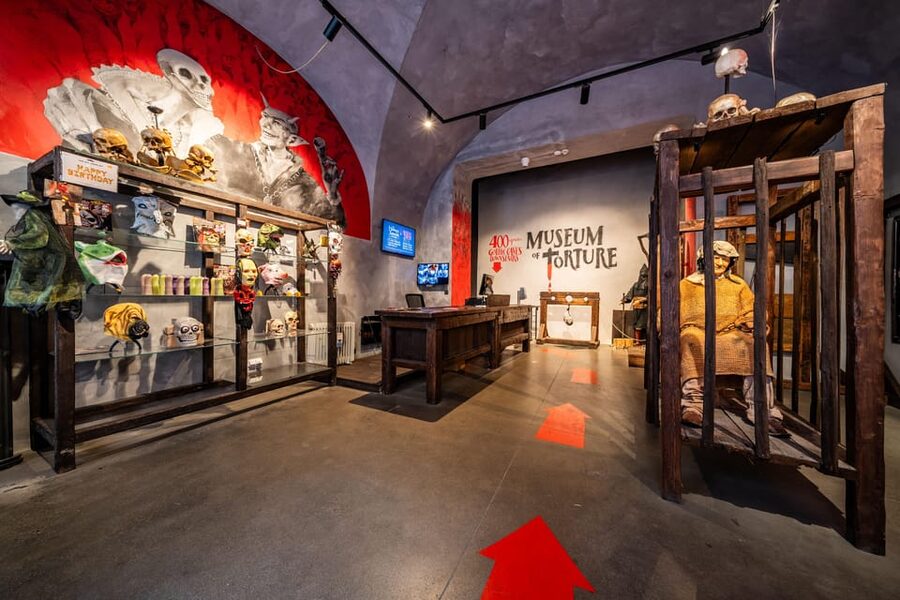
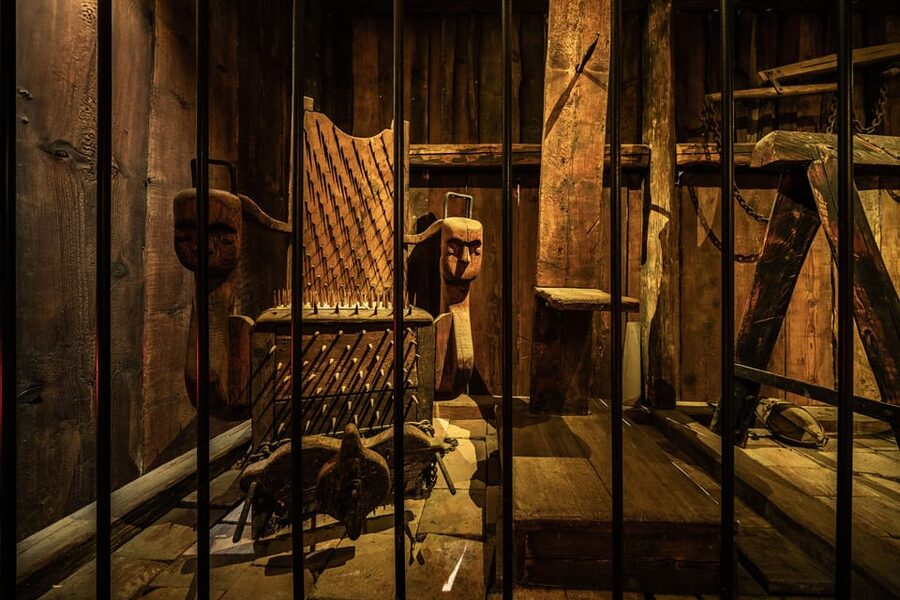
- Around 100 exhibits fill 400 square meters, including the iron maiden, Spanish boot, rack, and pear.
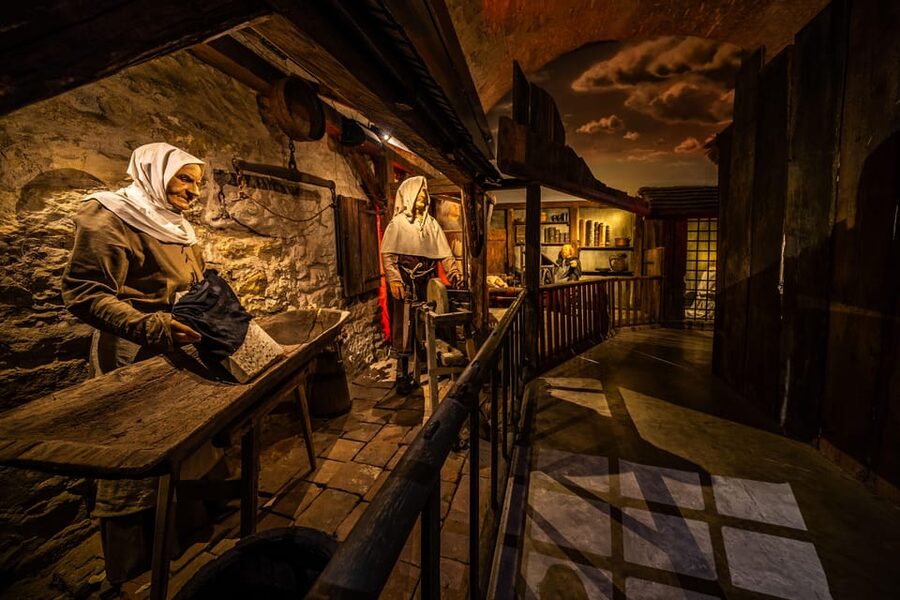
- The cellar setting is part of the experience, with wax figures arranged in period-style scenes.
- Legal and social context matters here, since the displays explain how torture was used in judicial processes.
- Sound and audiovisual effects add drama, but they may make the visit feel more like a theatrical attraction than a quiet museum.
- The content is graphic and disturbing, so this is not a good pick for young children or sensitive visitors.
- The $9 ticket is inexpensive, especially for a flexible one-day visit, though the museum’s physical condition deserves consideration.
Entering the cellar on Celetná Street
The museum is in central Prague, on Celetná Street, one of the city’s well-known historic routes. You do not need a coach, transfer, or long outing to reach it. The location makes this an easy add-on while you are walking through the center.
The exhibition occupies about 400 square meters of reconstructed cellar space. That matters because the rooms are not a neutral gallery. Low underground chambers, dark walls, and enclosed displays help create the mood, though the same setting can feel cramped or damp.
I would allow enough time to read the text panels rather than simply glance at the instruments. The ticket is valid for one day, so you have flexibility with your schedule, but the attraction is presented as a visit within the museum rather than a timed, multi-stop tour.
The host or greeter is listed as English-speaking, and the exhibition provides information in English. No individual guide names or guided tour schedule are provided, so you should expect to make your way through the displays rather than rely on a named historian leading a group.
A few more Prague trips to weigh up
- Prague: Museum of Fantastic Illusions Entry Ticket
★ 4.3 · 4,337 reviews - IAM Illusion Art Museum Entry Ticket
★ 4.2 · 1,664 reviews - Prague: Museum of Senses Admission Ticket
★ 4.0 · 1,445 reviews
The instruments are only half the story
The most familiar objects include the iron maiden, Spanish boot, rack, and pear. These names are often repeated in popular accounts of medieval punishment, but seeing the objects alongside explanations of their supposed use gives you a chance to separate visual shock from legal history.
The displays focus on how instruments were used to extract confessions or punish people accused of offenses. That distinction is important. Torture was not simply random cruelty carried out in secret. The museum explains how torture law was applied over centuries and how it entered judicial procedures.
You will encounter detailed replicas rather than a collection made up entirely of original devices. Replicas can still be useful when they are clearly presented and paired with documents, diagrams, and historical explanation. Here, the value comes from seeing the scale and form of the equipment while reading about the systems that gave it authority.
I find that approach more useful than a room of isolated objects. A rack tells you what a machine looked like. A legal document helps explain why authorities believed it could be used, who controlled the process, and what happened when a confession became the goal.
Period engravings add a human record
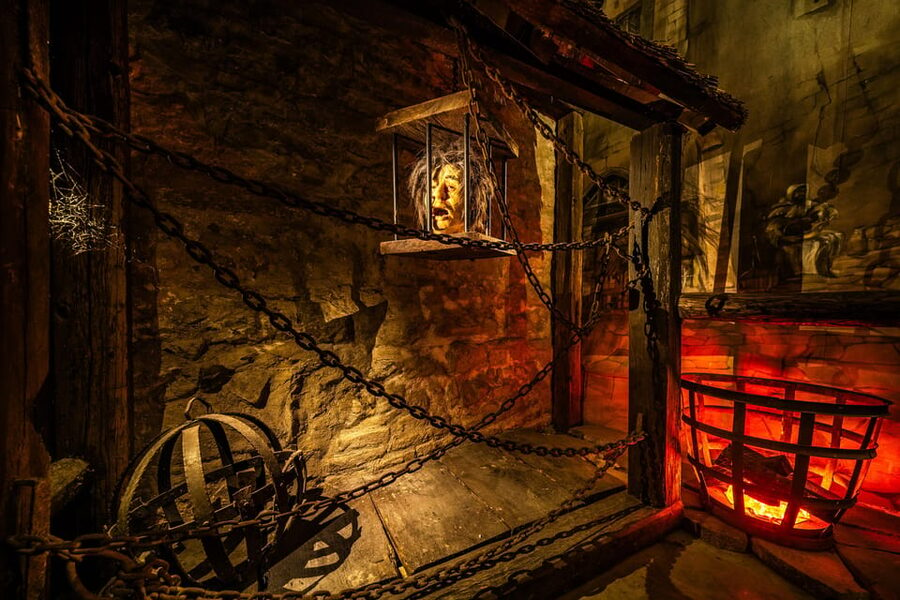
Dozens of period engravings accompany the instruments. These images help show how torture was represented in its own time, rather than only through modern replicas and theatrical scenes.
Engravings can also give you a sense of procedure. They may show the setting, the officials involved, and the position of the accused. The museum uses them to support the broader story of torture law and its application.
You should not expect every engraving to be easy to inspect in a dark cellar. Lighting and the dense subject matter may slow you down. Still, these images are important because they connect the machines to the people and institutions around them.
The strongest visit will be a thoughtful one. If you hurry from one frightening object to the next, you may remember the shapes but miss the point. Read the accompanying material, look for references to confessions and punishment, and consider how law can be used to make violence appear official.
Wax figures and audiovisual effects
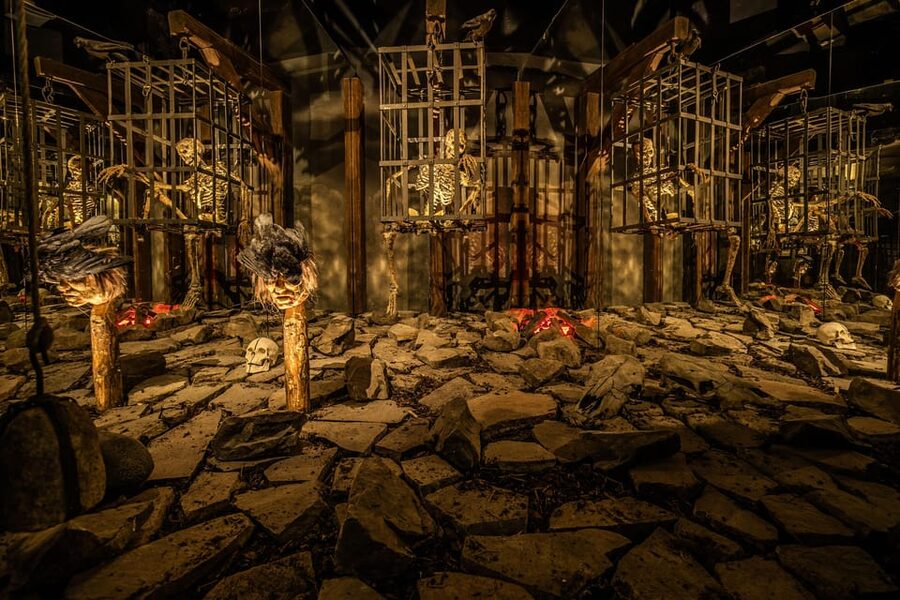
Wax figures are placed in reconstructed settings throughout the exhibition. Their role is clear: they show how the instruments might have appeared in use and give the rooms a staged, human scale.
That presentation can help you understand the objects, but it also makes the museum more intense. A still instrument behind glass is one thing. A figure positioned beside it, combined with darkness and sound, creates a stronger emotional response.
Two special audiovisual effects add another layer. Sound effects heighten the cellar atmosphere, while the audiovisual scenes create moments that feel closer to a historical attraction than a conventional museum. Some people will find this memorable. Others may prefer quieter displays and more neutral interpretation.
I would think of the effects as part of the attraction’s design, not as proof that the historical material is more accurate. They are there to shape the mood. The written explanations and documents are the parts to rely on when you want historical context.
Same country, a completely different kind of day:
- Prague: 50-Minute Sightseeing Evening Cruise
★ 4.2 · 33,780 reviews - Prague: Medieval Dinner with Unlimited Drinks
★ 4.4 · 19,847 reviews - Prague: Skip-the-line Castle Ticket and Optional AudioGuide
★ 4.3 · 11,121 reviews - Prague: Castle Tour with Local Guide and Entry Ticket
★ 4.6 · 10,422 reviews
What the legal context gives you
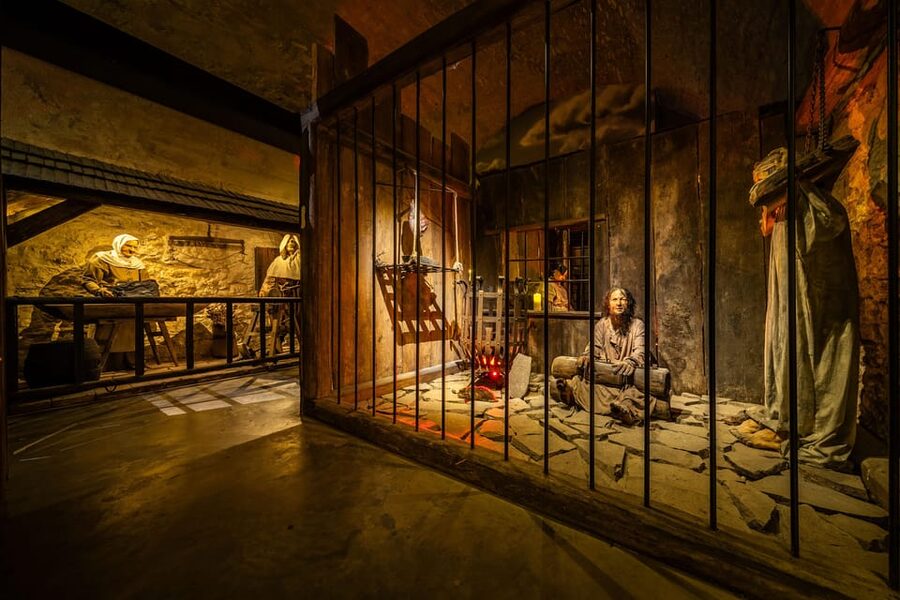
The museum’s most useful feature is its attention to torture law. The exhibition explains how torture was applied over the centuries and how it functioned within judicial processes.
That focus gives the visit more weight than a simple collection of frightening tools. You are asked to consider the link between accusation, confession, punishment, and authority. The consequences reached beyond the individual on the device, affecting ideas of justice and the wider society.
The subject is difficult, but that is also why the museum can be worthwhile. Torture becomes easier to understand when you see it as a legal practice supported by institutions, not only as an act of personal violence.
The information is especially useful for visitors who want historical background alongside the visual displays. If you are mainly looking for a light attraction or a quick novelty stop, the legal material may feel heavier than expected.
How graphic is the visit?
The museum openly deals with pain, forced confession, punishment, and disturbing methods of treatment. Wax scenes, replicas, engravings, and sound effects all add to the impact.
This is not recommended for young children or sensitive people. That warning should be taken seriously. Even if you are comfortable with historical subjects, the enclosed rooms and theatrical effects can make the material feel more immediate.
Families should plan another activity for younger children. Older teenagers and adults may find the historical angle worthwhile, but you should decide based on personal comfort rather than the low ticket price.
There is no need to force yourself through the full exhibition. If the subject or cellar atmosphere becomes too much, leaving is the sensible choice. A museum ticket is not a test of endurance.
The cellar condition is worth considering
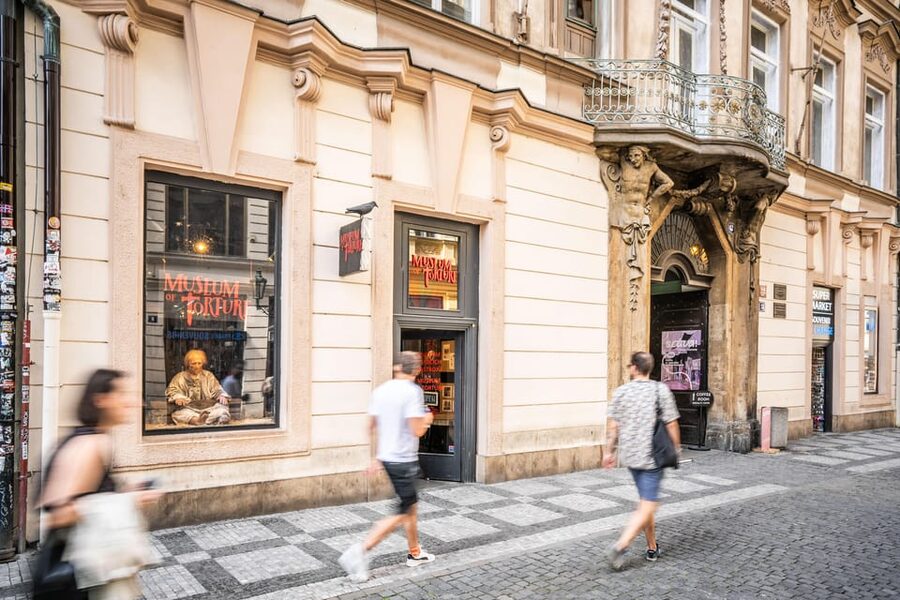
The underground location gives the museum its atmosphere, but it also creates a practical concern. A recent account describes a strong mold smell after several rooms, along with dark walls where mold appeared visible and paint was peeling.
I cannot treat that as a guaranteed condition in every visit, but it is a fair warning. If you have asthma, a strong sensitivity to mold, or trouble with damp enclosed spaces, you may want to choose with care.
This issue affects value. A $9 ticket is modest for a central Prague attraction, but low cost does not erase discomfort. The museum can offer an unusual subject and a memorable setting, yet the physical condition may reduce the quality of the visit.
The listed rating is 3.6 out of 5 from 317 ratings. That middle-ground score fits the attraction’s profile: the topic, displays, and atmosphere appeal to some people, while the graphic content and cellar condition may not work for everyone.
Is $9 a fair price?
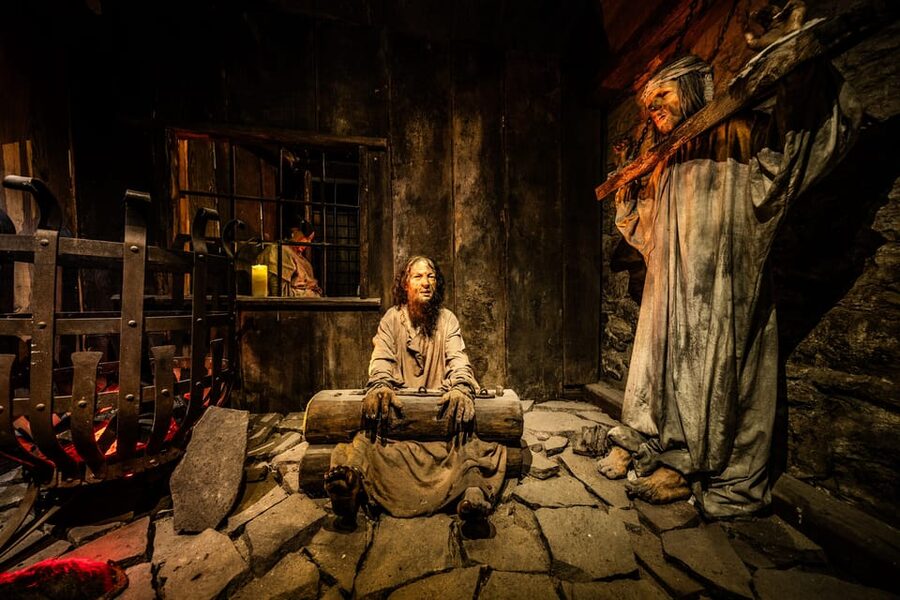
At about $9 per person, the museum is priced as a short central-city attraction rather than a major full-day museum. The ticket covers entry to the exhibition, including its roughly 100 displays, engravings, wax figures, sound effects, and audiovisual scenes.
The value depends on how much time you spend with the text. If you only want to see a few famous instruments, the visit may feel brief. If you read the legal material and study the engravings, the ticket gives you a more substantial historical stop.
The one-day validity is helpful. You can fit the museum around a walk through Prague’s center instead of building your day around a strict starting time. Availability and starting times should still be checked when booking.
Free cancellation up to 24 hours before the visit and the option to reserve now and pay later add flexibility. These policies are useful if your Prague plans are still changing, but they do not change the exhibition itself.
Who should visit this museum?
I would recommend it most to adults interested in the history of law, punishment, crime, and social control. It also suits people who enjoy unusual museums and are comfortable with staged scenes and dark subject matter.
You may like it if you want something different from Prague’s castles, churches, and grand public squares. The central location makes it easy to add between other sights.
I would be cautious about choosing it for a family day out. The content is graphic, the mood is dark, and the museum itself says it is not suitable for young children or sensitive individuals.
It may also disappoint you if you expect a large museum with extensive original artifacts, a formal lecture, or a long guided tour. The available information points to an English-language exhibition with an English-speaking host or greeter, not a named guide or scheduled historical presentation.
A practical way to approach the visit
Before entering, decide what you want from the museum. If you want atmosphere, pay attention to the cellar, figures, sounds, and audiovisual effects. If you want history, slow down at the text panels and documents.
Move through the exhibition with a critical eye. The instruments are visually powerful, but the legal explanation is what gives them meaning. Ask yourself how confessions were obtained, how punishment was justified, and what happens when authorities value a confession more than reliable evidence.
Do not plan this as the only activity of your day unless you know the subject suits you. Pair it with a less intense walk or museum afterward. Since it is in central Prague, you can treat it as one compact stop rather than a full-day commitment.
I would also avoid booking it for someone who has already told you they dislike wax figures, horror-style effects, or enclosed cellar rooms. The attraction uses all three.
Should you book the Museum of Torture?
Book it if you want a low-cost, central Prague attraction that combines replicas, engravings, legal documents, wax scenes, and theatrical effects. The museum’s best feature is its attempt to explain how torture operated within law and court practice, not just display frightening equipment.
Skip it if you are sensitive to graphic material, damp underground spaces, or staged sound effects. The reported mold odor and peeling walls are practical concerns, and the museum’s 3.6 rating suggests a mixed experience rather than a universal favorite.
For the right audience, $9 is a reasonable price for an unusual hour or more in Prague’s historic center. Go for the legal and social context, treat the effects as atmosphere, and keep your expectations realistic about the cellar setting.
FAQ
Where is the Museum of Torture located?
The museum is located on Celetná Street in central Prague, in the Central Bohemian Region of the Czech Republic.
What does the ticket include?
The ticket includes entry to the Museum of Torture and Torture Law exhibition.
How many exhibits are displayed?
The exhibition contains around 100 exhibits and dozens of period engravings across about 400 square meters.
Which torture instruments can I see?
The displays include replicas such as the iron maiden, Spanish boot, rack, pear, and other torture instruments.
Is the exhibition available in English?
Yes. The activity lists English as the available language, and the host or greeter is English-speaking.
Is the museum suitable for children?
The exhibition is not recommended for young children or sensitive individuals because of its graphic content.
How flexible is the ticket?
The ticket is valid for one day. You can cancel up to 24 hours in advance for a full refund, and you can reserve now while paying later.
Just added around Prague
- WWII and Communism History in Prague’s Old Town Private Tour★ 5.0 · 4 reviews
- Prague: Historical Walking Tour with Focus on World War 2★ 4.3 · 12 reviews
- World War II 4WD Tour from Prague with Lunch★ 4.4 · 3 reviews
- Ultimate Unlimited Beer Pong with Czech Beer★ 4.6 · 5 reviews
- Walking tour of Prague in French : Nové Město★ 4.9 · 16 reviews
- Walking tour of Prague in french: Old Town & Charles Bridge★ 4.9 · 62 reviews
- Prague Sightseeing Tour with Lunch★ 5.0 · 5 reviews
- Prague: Modern Private Spa with Jacuzzi and Sauna★ 4.8 · 62 reviews
Museums, compared.

IAM Illusion Art Museum Prague Fast Pass Ticket
Read our review →

Ticket to Audiovisual Light Art at Lumia Gallery
Read our review →
Browse the lists this tour appears in