
Reviewed · PRAGUE CLASSICAL CONCERTS
Prague: Classical Concert in the Spanish Synagogue
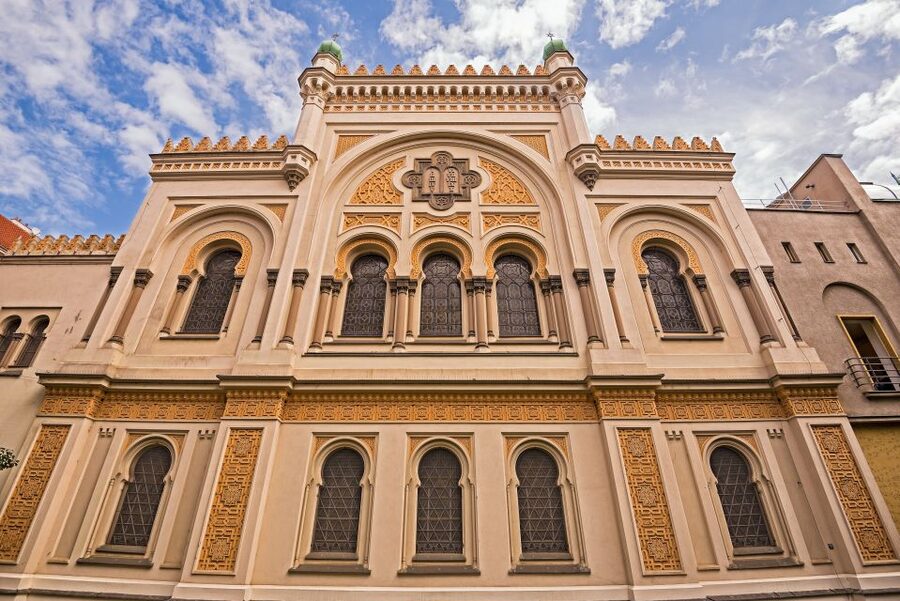
The music begins in one of Prague’s most striking interiors: the Spanish Synagogue, where Moorish Revival arches, painted motifs, and gallery railings frame a compact concert setting. Professional musicians from the Prague FOK Symphony Orchestra perform a changing mix of classical, modern, Czech, and Jewish music.
I like two things here: the excellent acoustics, which make strings, trumpet, and soprano sound close and clear, and the one-hour length, which fits neatly before or after dinner. The main drawback is value. At $50 per person, this is not a bargain for a short concert, and the program can feel eclectic if you expect only traditional classical music.
Key points to know
- The Spanish Synagogue is part of the experience: Its Moorish Revival interior gives the concert a memorable visual setting.
- Programs change by day: Sundays and Tuesdays feature Bolero, Wednesdays offer the best of world and Czech music, and Mondays and Thursdays focus on Hallelujah.
- Expect more than an orchestra: Depending on the program, you may hear a string ensemble, solo trumpet, soprano, arias, and ensemble pieces.
- The acoustics are a major strength: The intimate room carries quiet strings and powerful voices with impressive clarity.
- Plan for smart casual clothing: There is no formal dress code, but the setting suits a neat evening outfit.
- Arrive early for better seats: The synagogue opens 15 minutes before the performance, and seating position matters in a small historic room.
Why the Spanish Synagogue changes the concert
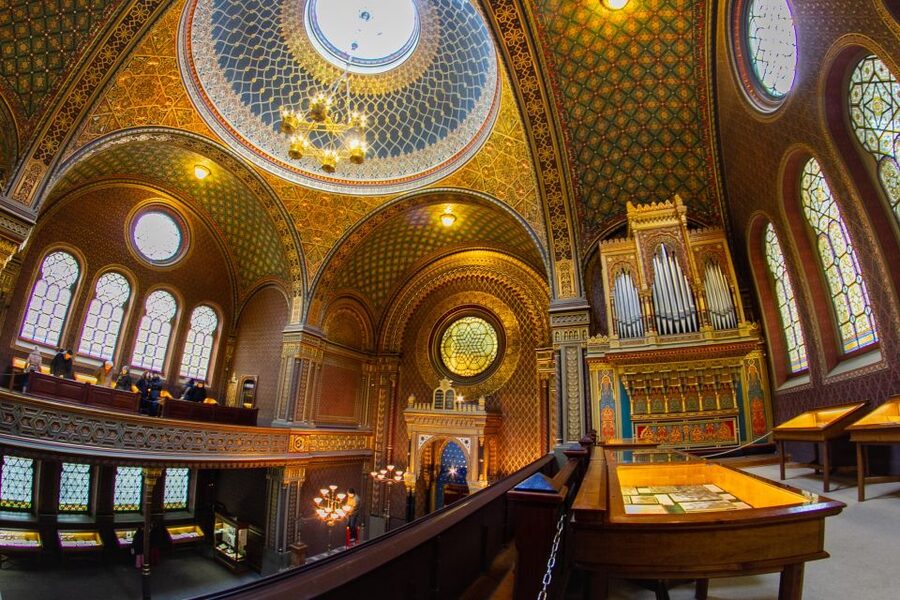
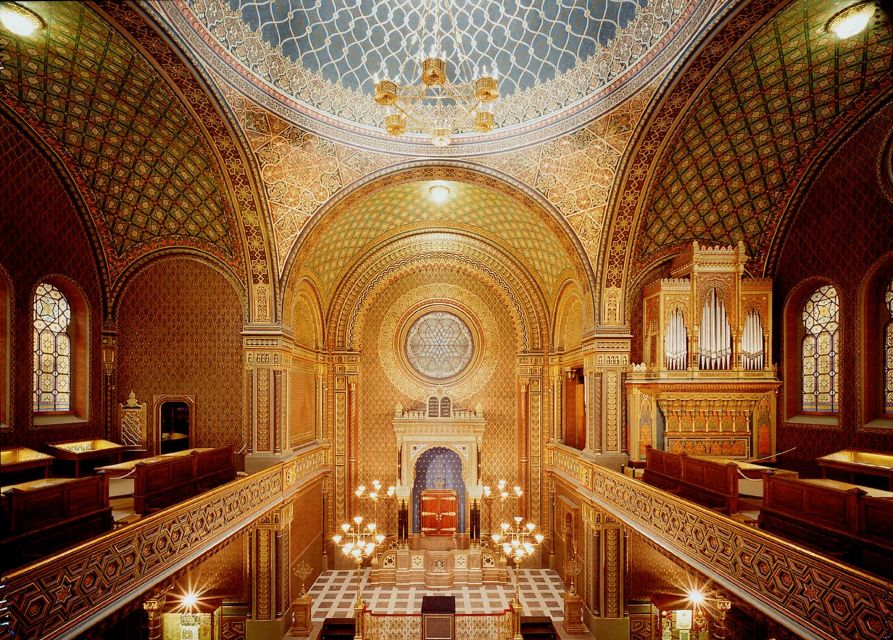
Prague has no shortage of classical music, but the room can matter as much as the repertoire. Here, you are not sitting in a plain recital hall. You are surrounded by the Spanish Synagogue’s decorative interior, with stylized Islamic motifs covering walls, doors, and gallery balustrades.
That Moorish Revival design gives the evening a strong sense of place. The setting is historic, ornate, and visually busy, while the concert itself is usually intimate. One performance had only about 80 people in the room, creating a close connection between audience and musicians.
I would set aside time to look carefully at the interior before the music starts. The concert is a practical way to see the synagogue in use rather than treating it as a quick sightseeing stop. The building itself attracts many people, but the music gives you a reason to stay and notice how the room works.
The synagogue is also valuable for its acoustics. Several performances have included a small string group, trumpet, and soprano, and the room handles each sound differently. Strings can feel warm and near. A trumpet cuts through cleanly. A trained soprano can fill the space without needing a large ensemble.
There is one point to keep in mind. A synagogue is not a neutral concert hall, so the setting carries religious and cultural meaning. If you choose a program with Jewish songs, the connection between place and music can feel especially moving. If the program leans toward show tunes or popular pieces, the setting may feel more decorative than thematically connected.
More Prague Classical Concerts in Prague:
- Prague: Entry Ticket Classical Concert at the Mirror Chapel
★ 4.7 · 4,636 reviews - Prague: A. Vivaldi Four Seasons at St. Salvator Church
★ 4.4 · 1,951 reviews - Prague: Mozart Ballroom Concert Ticket with 3-Course Dinner
★ 4.8 · 1,200 reviews
A one-hour program with changing musical themes
The basic format is simple: enter the synagogue, find your seat, and listen to 60 minutes of songs, arias, and instrumental pieces. There is no long introduction or complicated schedule. The concert starts at the listed time and ends early enough to keep your evening open.
The most important choice is the day you book. The published program is arranged as follows:
- Sundays and Tuesdays: Bolero
- Wednesdays: The Best of World and Czech Music
- Mondays and Thursdays: Hallelujah
These titles give you a useful guide, but you should not treat them as a complete promise of every piece. The actual selection can change. A Bolero program may include Ravel’s famous work alongside other music, while a broader evening can include Czech composers, opera, modern arrangements, and familiar popular songs.
The Wednesday program is the best choice if you want a Czech connection. It may include music by Antonín Dvořák and Bedřich Smetana, two major 19th-century Czech composers. Smetana’s Vltava and Dvořák’s New World Symphony have appeared in the repertoire, giving you recognizable music with a clear link to the country you are visiting.
The Monday or Thursday Hallelujah program may suit you if you prefer a vocal focus. The title suggests a religious or choral flavor, but the wider evening can still include opera and other well-known works. Jewish traditional songs may also appear, though you should not assume that every performance will be heavily Jewish in content simply because it takes place in a synagogue.
Sunday and Tuesday are good choices if Ravel’s Bolero is high on your list. Program changes are the one area where you need to read the current details carefully. Some performances have included works such as Carmina Burana, Carmen, Summertime, music from Bernstein and Gershwin, show tunes, and even Bohemian Rhapsody. That variety can be fun, but it may disappoint you if you changed your plans for one specific composition.
What the musicians and singers bring
The performers are leading players from the Prague FOK Symphony Orchestra. The line-up is not necessarily a full symphony orchestra. Instead, you might hear a small string quintet or five-piece string group, joined by a solo trumpet and soprano.
That smaller format suits the room. You can hear individual instruments rather than one large wall of sound. A violin line, trumpet entrance, or vocal phrase has room to register. The concert feels closer to chamber music than to a grand symphonic evening, even when the material comes from large-scale works.
The soprano is often a highlight. The repertoire can include opera arias by composers such as Verdi, Rossini, Mozart, and other well-known masters. Pieces from Carmen have appeared, as have lesser-known operatic numbers. If you enjoy the human voice, choose a program that includes a singer rather than assuming every date uses the same line-up.
The musicians also handle a wide range of styles. You may hear Bach beside Dvořák, a traditional Jewish song beside a modern arrangement, or a famous opera aria followed by a popular melody. Some people will find this variety engaging and easy to enjoy. I would call it a light classical concert rather than a tightly organized recital devoted to one composer or period.
That distinction matters. A serious classical music fan looking for a full Ravel, Bach, or Dvořák program may want a longer concert with a more focused structure. If you want a pleasant hour of recognizable music in an extraordinary setting, the mixed approach works better.
How the acoustics affect your seat
The Spanish Synagogue’s acoustics receive some of the strongest praise, and you will notice why once the music starts. The room is not large, so the sound does not need to travel a great distance. Voices remain clear, and a small ensemble can sound full without becoming overpowering.
Arrive as soon as the doors open, 15 minutes before the performance. This is useful for two reasons. First, you have time to look at the interior before the lights and music draw your attention forward. Second, you improve your chance of getting a seat with a good view.
One piece of practical advice is to avoid treating the concert like a photo opportunity. Photography is not allowed, and signs ask you not to take pictures. That rule protects the atmosphere and prevents glowing screens from breaking your concentration. Silent phones and a quiet program are especially important in a room with such clear acoustics, where paper noise can be surprisingly noticeable.
Seating comfort may be less impressive than the sound. The synagogue uses pew-style seating, and one performance found the benches uncomfortable. For a one-hour concert, most people should manage, but anyone with back or hip problems may want to factor this in.
The venue is wheelchair accessible. The synagogue is heated in winter, which makes the colder months comfortable inside. Summer conditions can be less predictable. During one August heatwave, the interior became extremely hot, although the short running time made it bearable. If you are sensitive to heat, check the season and dress lightly in warm weather.
A few more Prague trips to weigh up
- Prague: Concert at Reduta Jazz Club
★ 4.5 · 2,170 reviews - Prague: Jazz Boat Cruise with Live Concert and Optional Meal
★ 4.6 · 1,682 reviews - Prague Castle: Midday Classical Concert at Lobkowicz Palace
★ 4.6 · 1,106 reviews - Prague: Classical Concert in St. Nicholas Church
★ 4.3 · 513 reviews
The best way to fit it into your Prague evening
The one-hour schedule is one of this experience’s practical strengths. A performance starting at 8 p.m. can fit after an early dinner and still get you back to your lodging at a reasonable hour. You can also attend before dinner without giving up the rest of the night.
This is particularly useful in Prague, where many concert choices run longer and may involve a full evening commitment. Here, you get music, architecture, and a central cultural stop in a compact package.
The concert also works for couples looking for a calm evening activity. The setting is intimate, the music is polished, and the room gives the evening a formal feel without requiring formal dress. Smart casual clothing is appropriate. You do not need concert-hall evening wear.
Families can attend, but children must be accompanied by an adult aged 18 or older. Unaccompanied minors are not allowed. The short duration may work well for older children who can sit quietly, while very young children may find the stillness and no-photography rule difficult.
Students should bring valid student identification if using a student ticket. A public transport pass alone is not enough unless it also serves as accepted student identification. If you do not have the required document, book the standard ticket to avoid a problem at entry.
Is $50 fair for 60 minutes?
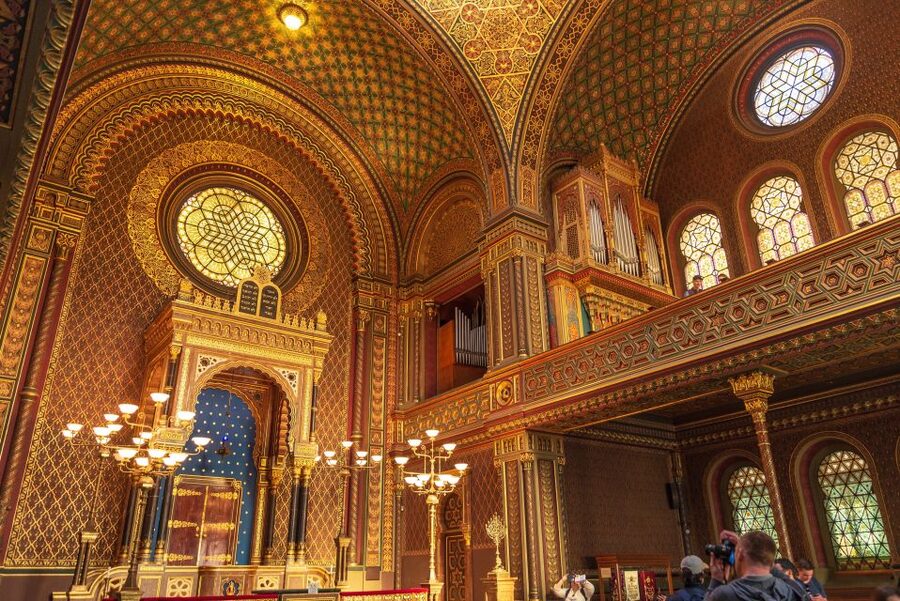
At $50 per person, the concert sits in the premium range for a one-hour activity. You are paying for more than the music alone. The ticket includes entry and a printed program in English, but the larger value comes from combining professional performance with access to a remarkable interior.
I see the price as reasonable if the synagogue is a priority. A beautiful building, strong acoustics, and skilled musicians make the experience feel distinct from a generic concert in a church or hall. It also saves you a whole evening of time, which can matter on a short Prague visit.
The calculation changes if you are judging only the number of minutes. Some comparable concerts can be longer or cheaper, and a few performances here have felt too short simply because the music was so enjoyable. If you want a substantial classical program, $50 for 60 minutes may leave you wanting more.
The best value comes when you choose the program carefully. A Ravel fan should confirm that the current Tuesday or Sunday offering still includes Bolero. Someone seeking Czech music should favor Wednesday. If you mainly want opera and a soprano, check the day’s details before booking, since the exact performers and pieces vary.
The printed program in English is useful, but it may not identify every lesser-known piece in enough detail. Some concertgoers have wished for a fuller list of music and performer information. If knowing every title matters to you, ask for the most current program when you arrive.
The Jewish music question
The Spanish Synagogue gives Jewish music a natural place in the evening. Traditional Jewish songs and Hebrew selections may appear, and a familiar Hebrew song can carry real emotional weight in this setting. For some people, that connection is the heart of the experience.
Still, the program is not strictly Jewish. You may hear Bach, Mozart, Verdi, Rossini, Dvořák, Smetana, Ravel, opera, modern music, and popular arrangements. The repertoire changes by date, and some evenings are more religious or Jewish in tone than others.
I would book this concert for the setting and the musical mix, not on the assumption that it is a dedicated Jewish music recital. If Jewish repertoire is your main reason for attending, check the exact program and choose a date that specifically promises it. If you want a broad introduction to classical and popular music in a meaningful venue, the uncertainty is less of a concern.
Who will enjoy this most
This concert is a strong fit for you if you want:
- A short cultural activity that fits around dinner
- A beautiful interior without committing to a long performance
- Recognizable classical music mixed with opera and modern selections
- An intimate setting with a small professional ensemble
- A Prague evening that feels special but does not require formal dress
- A wheelchair-accessible concert venue
You may want another option if you need a full symphony orchestra, a strict composer-by-composer program, or a guaranteed list of specific works. You should also think twice if uncomfortable pew seating is a serious issue or if you dislike mixed programs that move from classical music to popular songs.
The experience is also a good choice for first-time concertgoers. You do not need to know classical music to enjoy a soprano, strings, trumpet, and famous melodies in a room that does much of the atmosphere-building for you. The one-hour format lowers the risk of committing to an evening that may not suit your taste.
Practical details before you book
The synagogue opens 15 minutes before the scheduled start. Use that time well. Arrive early, settle in, look at the decorative walls and gallery railings, and choose a seat before the room fills.
The venue is in central Prague, in the Central Bohemian Region of the Czech Republic. The supplied information does not specify a transport route, so check your own map and allow enough time to reach the synagogue without rushing.
There is no official dress code. Smart casual is the safest choice because it respects the setting while keeping you comfortable. In winter, the interior is heated. In hot weather, light clothing is sensible, since one summer performance became uncomfortably warm inside.
Free cancellation is available up to 24 hours before the start for a full refund, and you can reserve now while paying later. That flexibility helps if your Prague schedule is still shifting. The ticket includes entrance and a printed English program.
Should you book the Spanish Synagogue concert?
I would book it if you want an atmospheric one-hour concert and care as much about the room as the repertoire. The strongest reasons are the synagogue’s ornate design, the unusually clear acoustics, and the quality of the small professional ensembles and vocal soloists.
Choose your date with care. Pick Sunday or Tuesday for the Bolero program, Wednesday for world and Czech music, and Monday or Thursday for Hallelujah. Then confirm the current details if one specific composer, aria, or Jewish song matters to you.
At $50, this is not Prague’s cheapest classical music option. But for an intimate performance in one of the city’s most memorable interiors, it can be a worthwhile splurge, especially before dinner or as a polished final hour to your evening. If you need a long, focused concert, skip it. If you want a beautiful room, fine musicians, and an easy schedule, book it.
FAQ
How long is the concert?
The concert lasts 1 hour.
How much does the concert cost?
The price is $50 per person.
Where does the concert take place?
It takes place in Prague’s Spanish Synagogue in the Czech Republic.
What music is performed?
The program can include classical, modern, Czech, and Jewish music, along with songs, arias, and ensemble pieces.
Which days feature Bolero?
Bolero is scheduled for Sundays and Tuesdays.
Which day offers Czech music?
The Wednesday program is listed as The Best of World and Czech Music.
What is performed on Mondays and Thursdays?
Those days feature the Hallelujah program.
Is there a dress code?
There is no official dress code. Smart casual clothing is suitable.
Is the Spanish Synagogue wheelchair accessible?
Yes, the synagogue is wheelchair accessible.
Can children attend alone?
No. Children must be accompanied by an adult aged 18 or older, and unaccompanied minors are not allowed.
Just added around Prague
- WWII and Communism History in Prague’s Old Town Private Tour★ 5.0 · 4 reviews
- Prague: Historical Walking Tour with Focus on World War 2★ 4.3 · 12 reviews
- World War II 4WD Tour from Prague with Lunch★ 4.4 · 3 reviews
- Ultimate Unlimited Beer Pong with Czech Beer★ 4.6 · 5 reviews
- Walking tour of Prague in French : Nové Město★ 4.9 · 16 reviews
- Walking tour of Prague in french: Old Town & Charles Bridge★ 4.9 · 62 reviews
- Prague Sightseeing Tour with Lunch★ 5.0 · 5 reviews
- Prague: Modern Private Spa with Jacuzzi and Sauna★ 4.8 · 62 reviews
Prague Classical Concerts, compared.
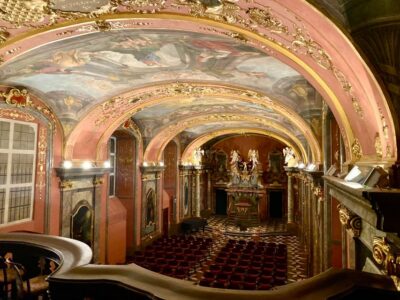
Entry Ticket Classical Concert at the Mirror Chapel
Read our review →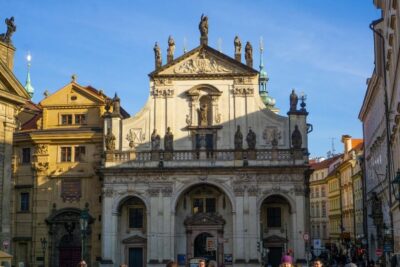
A. Vivaldi Four Seasons at St. Salvator Church
Read our review →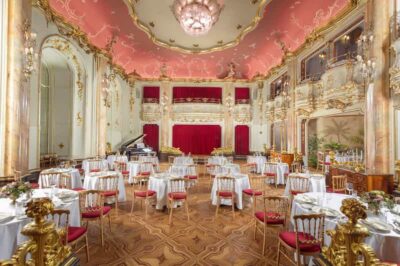
Mozart Ballroom Concert Ticket with 3-Course Dinner
Read our review →
Browse the lists this tour appears in