Reviewed · LUNCH EXPERIENCES
From Prague: Bohemian Glass Crystal Private Tour with Lunch
The most compelling part of this day is standing beside a hot furnace while Czech glassmakers turn glowing, shapeless material into precise bowls, sculptures, and vases. At Nový Bor, glass is not a museum subject. It is still working craft, practiced in studios where you can watch the heat, tools, and teamwork up close.
I like the hands-on glass grinding with young artist Filip Lukavec, and I like the unusual mix of private galleries, a Crystal Garden, and a church filled with glass art. The Czech lunch at Cvikov brewery, with its own beer, adds a welcome local touch.
The main drawback is the long road day. Prague to the glass region takes about 1.5 hours each way, and one poor experience involved a quiet transfer before the guide joined the group. Confirm the pickup arrangement and expect a full eight hours away from the city.
Key points at a glance
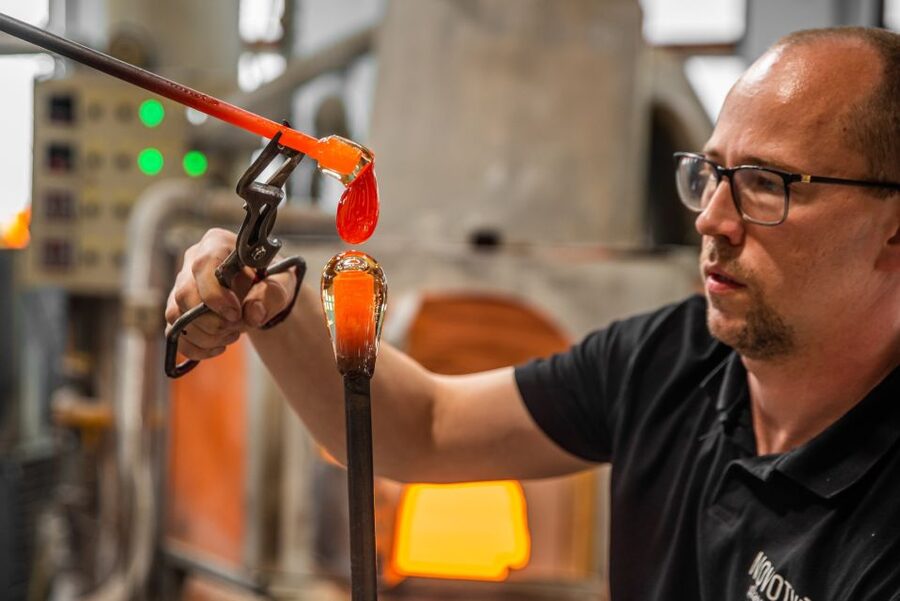
- Watch glassblowers beside the furnace: See the hot-shop process at Novotný Glass Studio in Nový Bor.
- Work with cold glass yourself: Try grinding and polishing under the guidance of Filip Lukavec.
- Visit Jiří Pačinek’s glass world: The Glass Garden and Crystal Temple turn finished art into part of the visit.
- Eat and drink at Cvikov brewery: A local a la carte lunch comes with unlimited Cvikov beer and bottled water.
- Travel privately from Prague: Your group has a comfortable car or van, hotel pickup, and an English-speaking guide.
- Plan for a long countryside day: The trip involves roughly 1.5 hours on the road in each direction and is not suitable for wheelchair users.
Why Bohemian glass is worth a day outside Prague
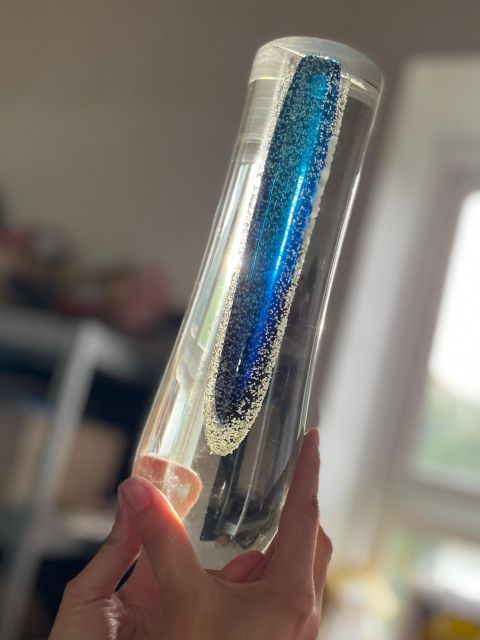
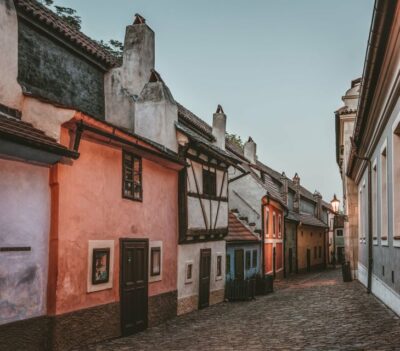
Prague gives you castles, churches, and polished historic streets. This trip takes you into the northern Czech glass country, where the story continues in working studios and family workshops.
Glassmaking in the Czech lands reaches back to the second half of the 17th century. Bohemian crystal became famous for its clarity, shine, and strength. Those qualities made it useful not only for display pieces, but also for engraving and cutting. By the 18th century, Bohemia had become the leading glass exporter in the world.
That background matters once you see the process. A finished crystal vase can look effortless, even delicate. At the furnace, you see the skill behind it: hot material, exact timing, careful shaping, and tools used with a calm confidence that comes from years of practice.
I find this more satisfying than a standard museum visit because you see several stages of the craft. You watch hot glass being formed, examine finished works in private collections, and then try part of the cold-working process yourself. You will not become a glass artist in one afternoon, but you will understand why the work takes such patience.
A few more Prague trips to weigh up
- Prague Guided Walking Tour and Cruise with Authentic Czech Lunch
★ 5.0 · 3,627 reviews - Prague: Vltava River Lunch Cruise in an Open-Top Glass Boat
★ 4.5 · 2,865 reviews - Prague: Hard Rock Cafe with Set Menu for Lunch or Dinner
★ 4.4 · 1,487 reviews
The drive from Prague to Nový Bor
The day begins with pickup at your Prague hotel. You should wait in the lobby five minutes before the scheduled time. Transport is by comfortable car or van, and the group is private, which allows some room for questions and adjustments.
Allow about 1.5 hours for the trip to the glass region. The route passes through villages, forests, rolling hills, winding roads, and the Lusatian Mountains. The Kokorinsko villages add interest to the drive, especially if you enjoy seeing the Czech countryside beyond the capital.
The long transfer is both a cost and a benefit. It means you spend a large part of the day on the road, so this is not the right choice if you want a relaxed morning in Prague. On the other hand, the drive gives you access to a specialist region that would be difficult to cover well on your own in a single day.
The guide can make a major difference during this part of the trip. Pavel has led the experience in English and is noted for explaining Czech language, history, and people along the way. Martin and David have also guided the tour. One booking described a less satisfying transfer before the guide was collected, so it is sensible to clarify who will meet you and when the commentary begins.
Novotný Glass Studio and the heat of the hot shop
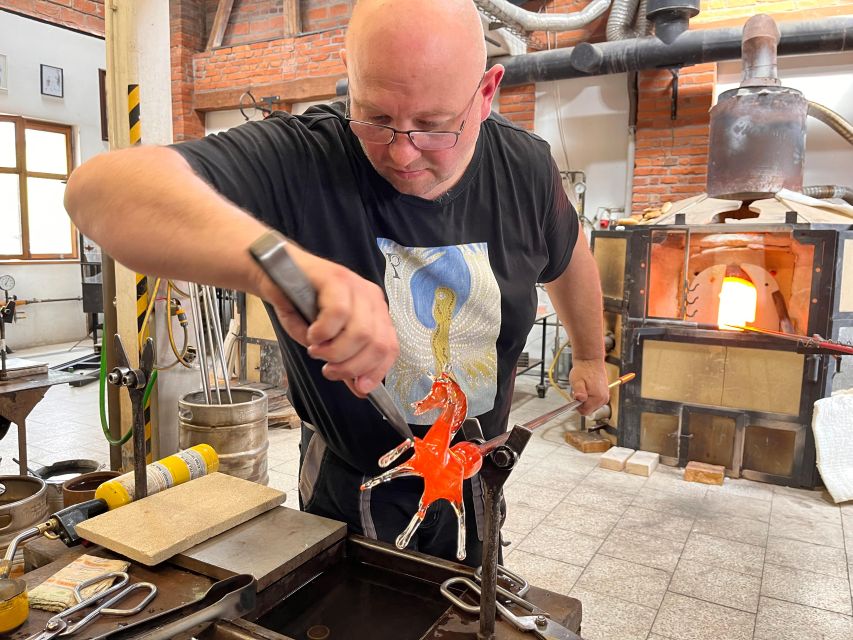
Your first major stop is Novotný Glass Studio in Nový Bor, a town closely tied to Czech glassmaking. The family-owned studio is operated by glass master Petr Novotný and is known for historical glass replicas, especially work made for the American market.
The hot shop is the place to focus your attention. You will see glassmakers working near the furnaces with molten glass, shaping material that changes quickly as it cools. This is the most physical part of the tour, and it helps explain why finished crystal objects command respect.
You may see the makers gather hot glass, form it, and turn it into a recognizable object through a series of practiced movements. The supplied information does not promise a particular demonstration or a set time beside the furnace, so the exact rhythm of the visit may vary with workshop activity.
This stop is especially useful in winter. The factories are warm around the furnaces, making the indoor portion comfortable even when the Czech countryside is cold. The tour also involves little walking, a plus for seniors and for anyone who finds a long day on foot tiring.
The Novotný Glass Museum and private collections
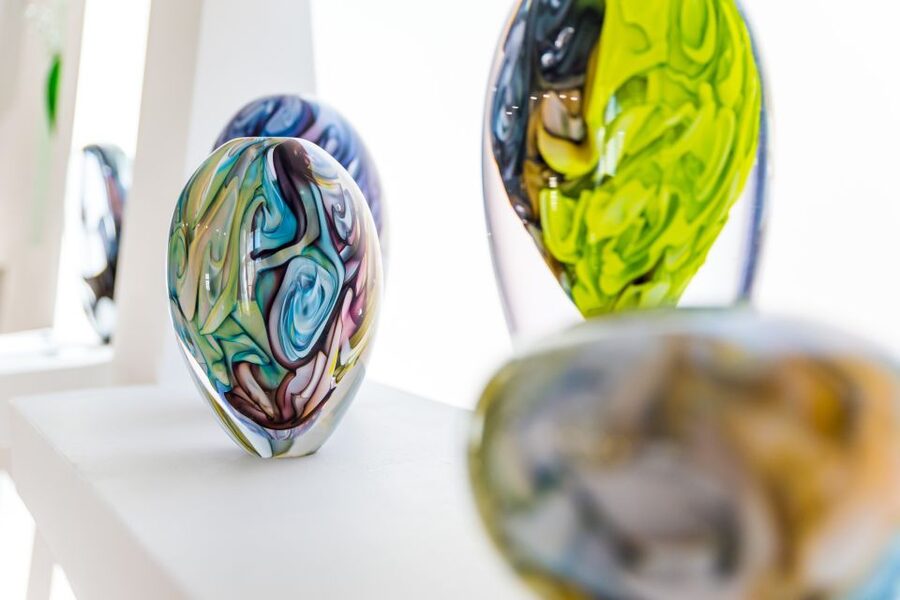
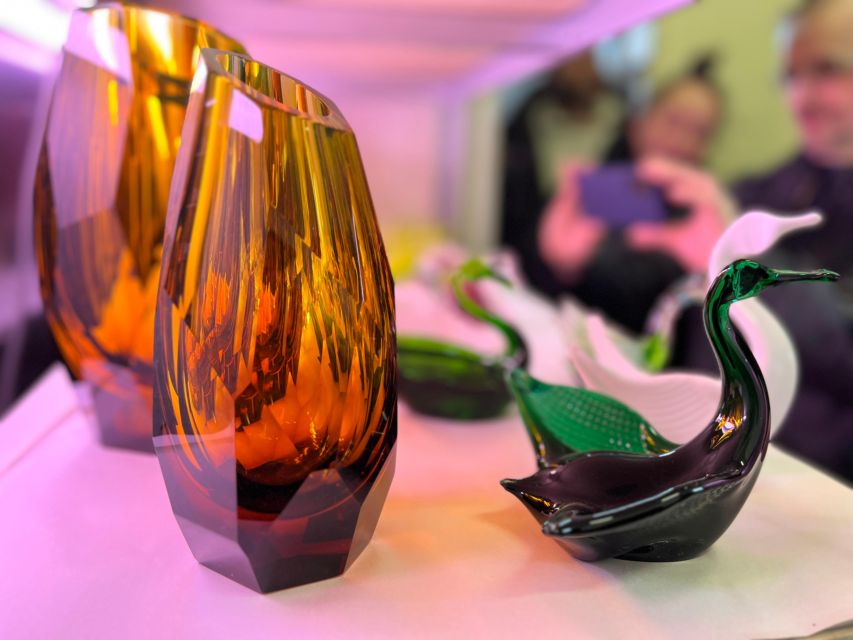
Next comes the Novotný Glass Museum, where the focus shifts from production to finished art. The collection includes contemporary glass, much of it drawn from private collections belonging to recognized glass masters.
You will also see trophies and awards connected with the craft. That gives the museum a different feel from a general decorative-arts collection. It shows how glassmakers judge their own field, what kinds of work receive attention, and how technical skill connects with design.
I would take time here to compare the museum pieces with what you saw at the furnace. Look for the changes created by cutting, engraving, polishing, and shaping. Hot-shop work gives an object its basic form, while cold-working techniques can add sharp lines, light-catching surfaces, and fine detail.
The museum visit also gives you a chance to see objects that may be too large, fragile, or valuable for a normal hands-on session. Photography rules and display access are not specified, so follow the local instructions rather than assuming every object can be handled or photographed.
Same country, a completely different kind of day:
- Prague: 50-Minute Sightseeing Evening Cruise
★ 4.2 · 33,780 reviews - Prague: Medieval Dinner with Unlimited Drinks
★ 4.4 · 19,847 reviews - Prague: Skip-the-line Castle Ticket and Optional AudioGuide
★ 4.3 · 11,121 reviews - Prague: Castle Tour with Local Guide and Entry Ticket
★ 4.6 · 10,422 reviews
Jiří Pačinek’s studio, Crystal Garden, and Crystal Temple
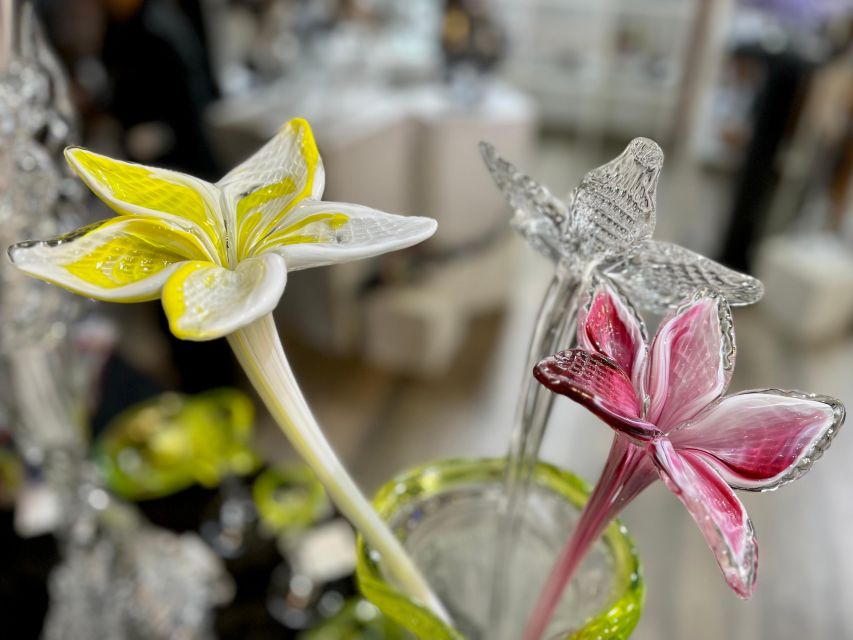
The next stop takes you to the work of Jiří Pačinek in Kunratice u Cvikova. Pačinek is known for large decorative sculptures as well as useful objects such as vases and bowls. His work gained wider public attention through glass sculptures featured in the Netflix film Glass Onion.
His studio offers a look at the artist’s personal style. The pieces are not limited to traditional crystal tableware. You will find decorative forms and ambitious sculptures that show how far glass can move from everyday use.
The Crystal Garden makes the visit feel different from a normal workshop tour. Glass objects are placed in an outdoor setting, allowing you to see how they respond to daylight and their surroundings. The effect is playful and slightly dreamlike, though the exact presentation can change with weather and season.
Inside the nearby Crystal Temple, an old church is decorated with Pačinek’s glass creations. The contrast is the point. You are looking at modern glass art inside an older sacred building, so the space brings together Czech religious architecture and current studio craft.
Andrea has guided this part of the visit and has been praised for her warm, detailed explanations. If you are interested in how an artist develops a body of work, this is one of the better stops on the day. It is also one of the most visual, making it worthwhile even if you know little about glass technique.
Lunch at Cvikov brewery
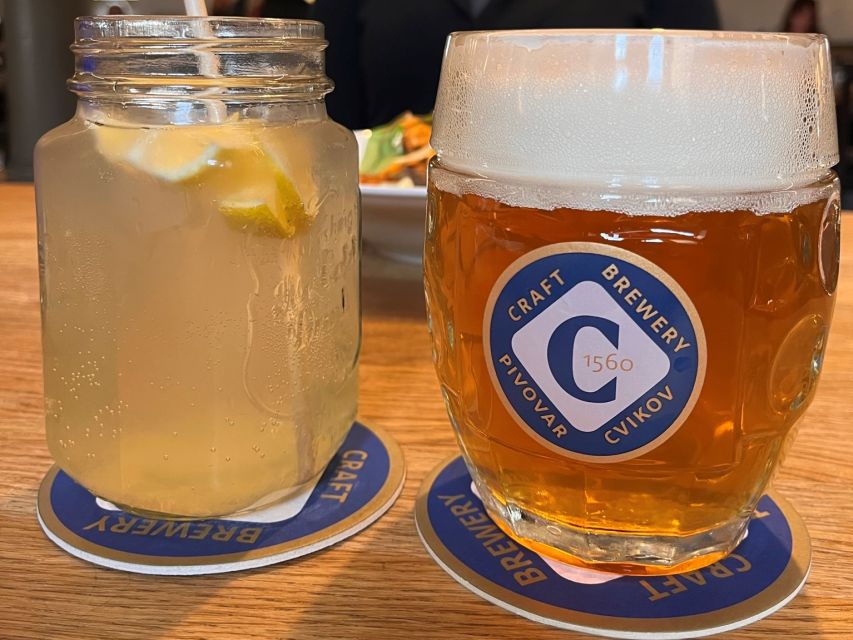
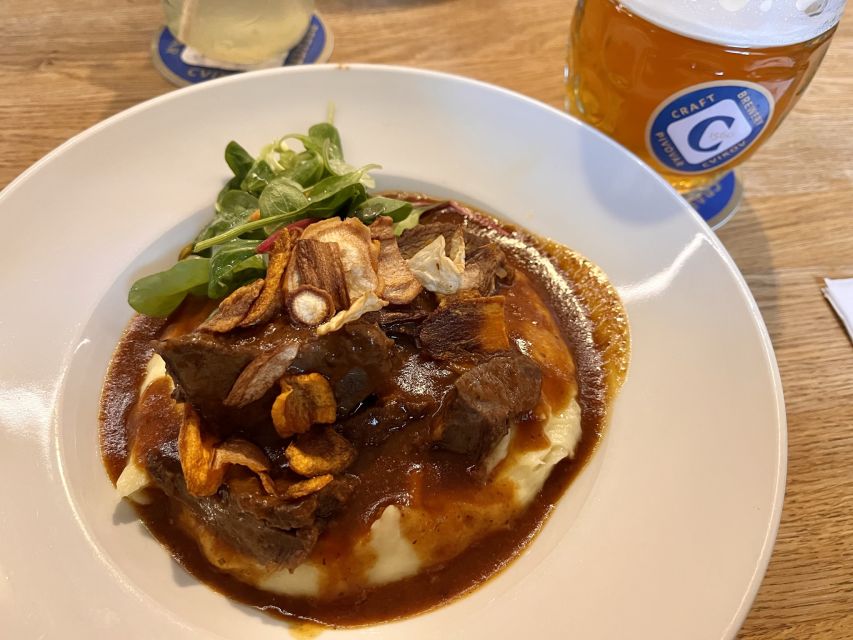
The lunch stop at the Cvikov brewery breaks up the studio visits. You receive an a la carte local meal in a cozy brewery restaurant, with unlimited Cvikov beer and bottled water included.
Cvikov’s beer is made by the brewery, not simply poured as a generic option. The connection between the drink and the glassmaking theme is fitting, since the brewery is part of the same regional experience rather than a random roadside meal.
The food is Czech and the menu is a la carte, so the exact dish is not fixed in the information provided. That gives you more choice than a preselected group lunch, though the value depends partly on what you order and how much you drink.
The beer allowance is generous, but you should still pace yourself. This is a private day with more studio visits afterward, including a practical glass-cutting session. A large lunch and unlimited beer can make the final workshop less enjoyable if you treat the offer as a challenge.
Filip Lukavec and your chance to grind glass
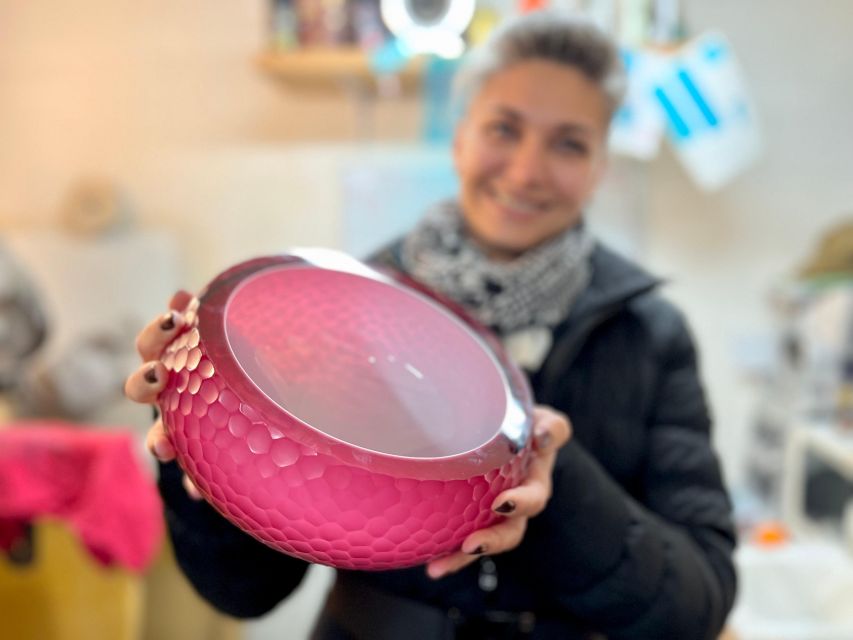
At Filip Lukavec’s studio, you see the cold side of glassmaking. Lukavec is a young cutter from the Crystal Valley, and his work has earned respect among glass houses and chandelier makers, including Lasvit.
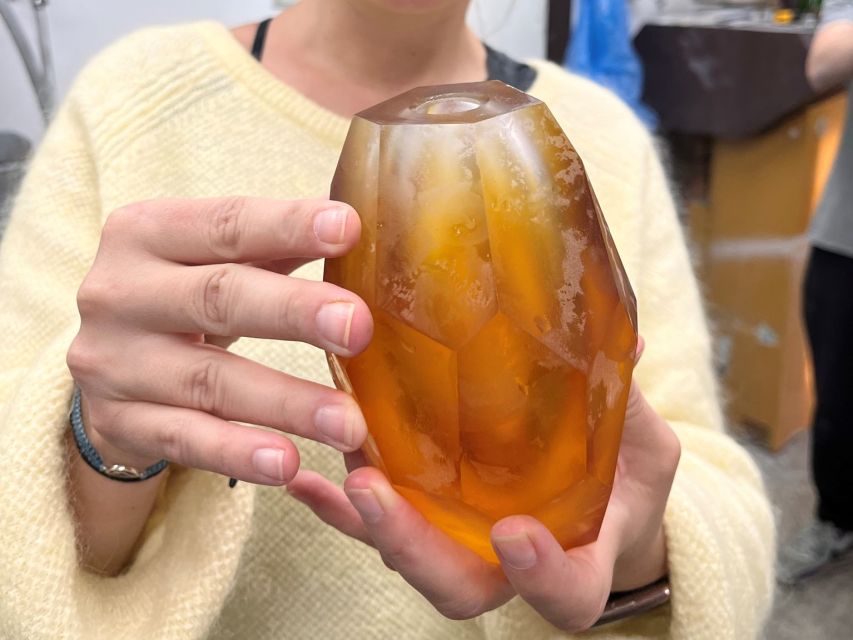
This is the most hands-on part of the day. You can try grinding and finishing glass under the direction of the artist. The activity may involve grinding and polishing a small section of an art piece rather than producing a complete object from raw material.
That limitation is worth understanding. You are getting a short, guided introduction to a demanding skill, not a full workshop course. Even so, it changes how you look at cut glass. The surface may appear simple until you try to control the tool and create a clean finish.
The demonstration also shows why cold working matters. A hot-shop artist can form the basic shape, but cutting and polishing can add structure, shine, and detail. This stop received some of the strongest praise from people who enjoyed meeting the artist, asking questions, and trying the process themselves.
You can purchase souvenirs or larger art pieces during the day. International shipping is available, which is useful for substantial sculptures or fragile work that you do not want to carry through the rest of your Czech holiday. Ask about packing, shipping cost, and delivery timing before committing to a major purchase.
What the private format changes
A private group is a real advantage here. Glass studios are places for conversation, and a smaller party makes it easier to ask about tools, materials, careers, and the differences between hot-shop and cold-working techniques.
The tour can also be adjusted more easily than a large coach excursion. The description promises customization, though it does not guarantee that every requested change will be possible. The studios and lunch schedule still need to work together.
You get an English-speaking local guide, all entrance fees, transport, hot-shop access, the glass-cutting activity, the private gallery visits, lunch, beer, and bottled water. At $316 per person, the price is high for a day trip from Prague, but it covers a specialized private experience rather than just transport and admission.
The value is strongest for two or more people who care about craft and would otherwise need to arrange several separate visits. It is weaker if you mainly want scenic driving, a general Czech village tour, or a quick look at decorative glass. You are paying for access, introductions, guiding, and convenience.
Comfort, walking, and practical limits
The itinerary is designed with minimal walking, which helps seniors and people of larger stature. Much of the day takes place indoors, and the warm factory spaces are welcome during winter.
The tour is not suitable for wheelchair users. That point should be treated as a firm restriction, not a minor inconvenience. The information does not specify step-free access, vehicle adaptations, or accessible toilets.
The day lasts eight hours, including the road trip. Wear comfortable clothing and shoes suitable for workshops, but do not expect a strenuous hike. The countryside views are a bonus, not the main activity.
Rain does not ruin the plan because so much of the day takes place inside. One particularly wet day still worked well because the factories, museum, galleries, and brewery provided shelter. In poor weather, you may even appreciate the indoor focus more.
Who should book this glass tour
I would choose this trip if you want an experience rooted in Czech regional craft rather than another Prague sightseeing loop. It suits people who enjoy meeting makers, seeing working techniques, and buying objects with a clear connection to the place they visited.
It is also a strong choice for repeat visitors to Prague. If you have already covered the Old Town, Charles Bridge, and Prague Castle, this gives you a very different view of Czech culture.
Families with older children may enjoy the hands-on cutting session, but the information does not give a minimum age or a child-specific program. Art collectors will appreciate the chance to view and buy serious work, with international shipping available.
I would think twice if you dislike long drives, want a tightly timed mass-tour schedule, or expect to create your own finished glass piece. The tour offers a brief practical session, not a full class.
You can cancel up to 24 hours ahead for a full refund, and the reserve-now, pay-later option keeps the booking flexible. Pickup is included from your Prague hotel, but confirm the meeting details in advance so the transfer and guide arrangement are clear.
Should you book it?
Book this tour if Bohemian glass is a main interest, not just a side attraction. The hot shop, private museum, Pačinek’s Crystal Temple, and Lukavec’s grinding session create a well-rounded day that goes beyond looking at display cases.
The price is justified by the private transport, local guide, introductions to working artists, included admissions, lunch, beer, and the chance to work with glass yourself. The tradeoff is the long road time and the fixed eight-hour commitment.
For a craft-focused day outside Prague, I think this is a strong and unusual choice. Just confirm the pickup plan, pace yourself at lunch, and book it knowing that the real reward is seeing how Czech glass is made, cut, displayed, and used.
FAQ
Where does the tour go from Prague?
The tour travels to the Nový Bor area in the Liberec Region, including Nový Bor, Kunratice u Cvikova, and nearby glass studios and attractions.
How long does the experience last?
The tour lasts eight hours.
Is hotel pickup and drop-off included?
Yes. Pickup and drop-off at your hotel in Prague are included. You should wait in the hotel lobby five minutes before the scheduled pickup time.
What language is the tour conducted in?
The live tour guide speaks English.
Is this a private tour?
Yes. The experience is for a private group rather than a shared group.
Can I watch glassmakers working?
Yes. A hot-shop visit is included, with the chance to see glassmakers working near the furnaces at Novotný Glass Studio.
Can I try making or finishing glass?
Yes. You can try grinding and finishing glass with Filip Lukavec or another participating glass artist, depending on the workshop arrangement.
Is lunch included?
Yes. A local a la carte lunch at the Cvikov brewery restaurant is included, along with unlimited Cvikov beer and bottled water.
Is the tour suitable for wheelchair users?
No. The experience is listed as unsuitable for wheelchair users. It does involve minimal walking and is intended to be manageable for seniors and people of larger stature.
Just added around Prague
- WWII and Communism History in Prague’s Old Town Private Tour★ 5.0 · 4 reviews
- Prague: Historical Walking Tour with Focus on World War 2★ 4.3 · 12 reviews
- World War II 4WD Tour from Prague with Lunch★ 4.4 · 3 reviews
- Ultimate Unlimited Beer Pong with Czech Beer★ 4.6 · 5 reviews
- Walking tour of Prague in French : Nové Město★ 4.9 · 16 reviews
- Walking tour of Prague in french: Old Town & Charles Bridge★ 4.9 · 62 reviews
- Prague Sightseeing Tour with Lunch★ 5.0 · 5 reviews
- Prague: Modern Private Spa with Jacuzzi and Sauna★ 4.8 · 62 reviews
Lunch Experiences, compared.
Prague Guided Walking Tour and Cruise with Authentic Czech Lunch
Read our review →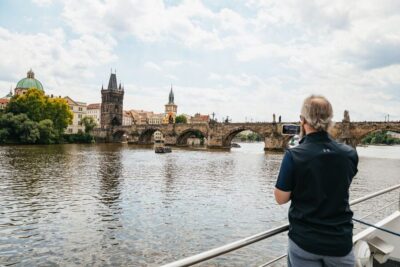
Vltava River Lunch Cruise in an Open-Top Glass Boat
Read our review →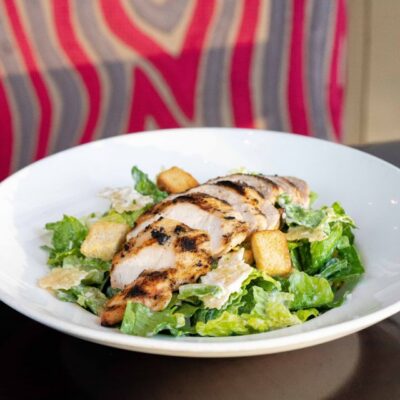
Hard Rock Cafe with Set Menu for Lunch or Dinner
Read our review →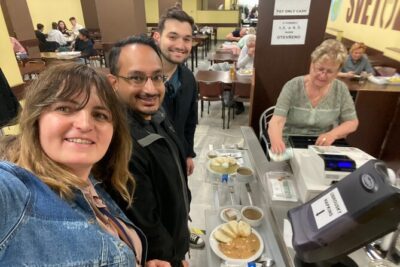
Communism & Nuclear Bunker Tour + 70s Canteen Lunch (own expense)
Read our review →
Full-Day Prague Tour with Prague Castle, Lunch and Vltava Cruise
Read our review →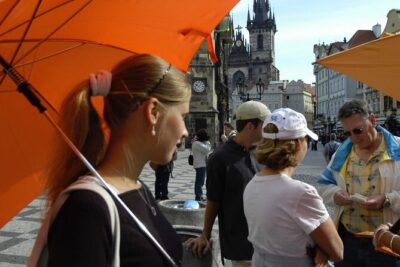
The Prague Tour All Inclusive with Pick up, Boat Trip and Lunch
Read our review →
Guided Bus & Walking Tour with River Cruise & Lunch
Read our review →